

Material as Memory: A Conversation with Yuxin Song
Based in Calgary, Canadian-Chinese artist Yuxin Song is a 2026–2027 One for the Future Honoree whose work sits at the intersection of material history and personal narrative. Trained in both China and Canada, she brings together technical meticulousness and introspective inquiry, particularly through her specialization in enamel. Her practice moves fluidly amid tradition and experimentation, inviting viewers into spaces which feel both tactile and quietly emotional.
We spoke with Song about meaning, doubt, overlooked moments, and why her work might one day belong to SpongeBob.
Material Meanings and Contemporary Reinterpretation
NYCJW: To start us off, how would you describe the core of your practice? What draws you to the materials and ideas you work with?
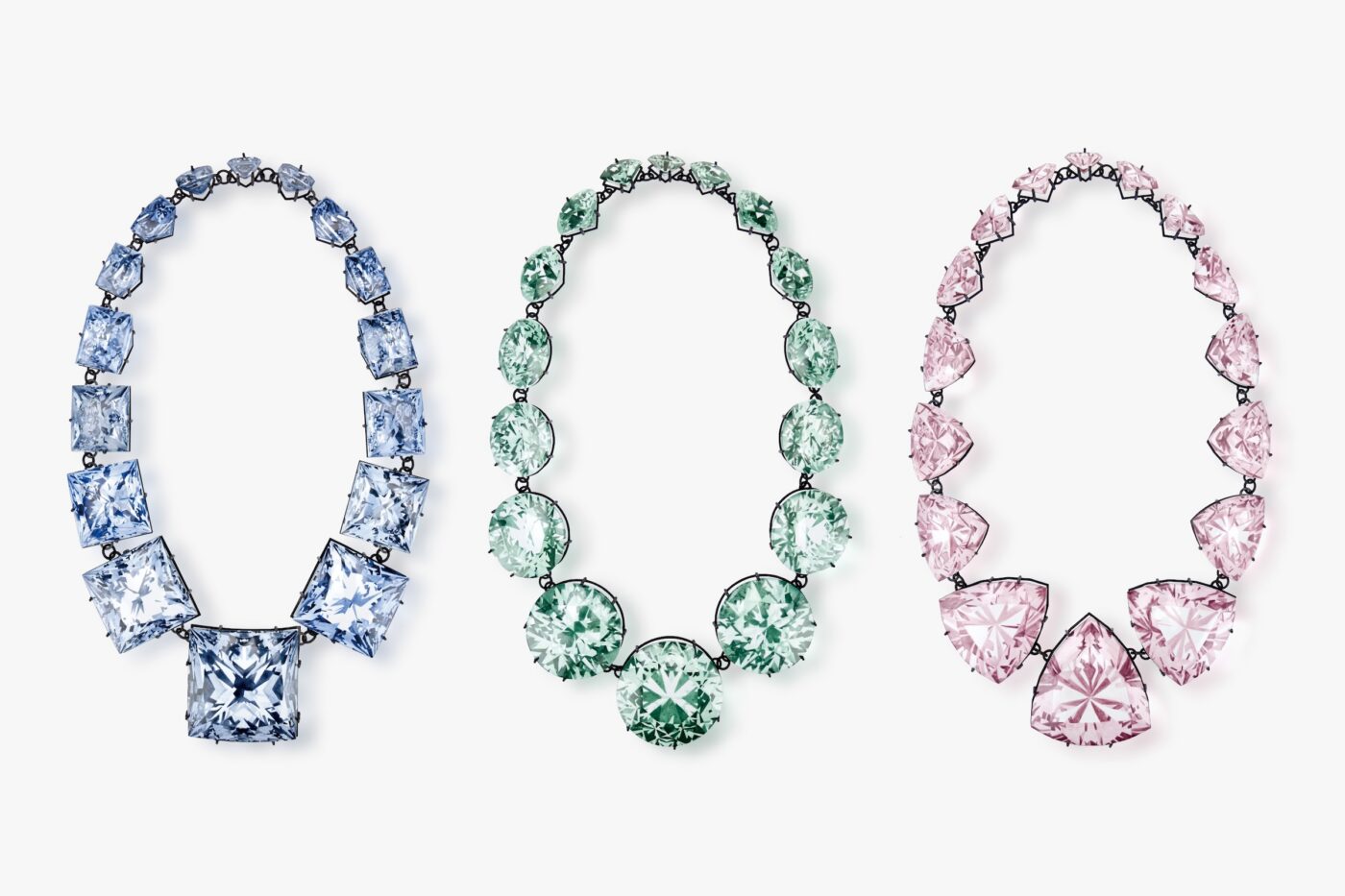
YS: In my artistic practice, I explore how materials carry meaning and how these meanings can be reinterpreted in a contemporary way. I investigate how the physical properties, historical context, and technical processes of materials communicate ideas, which I then connect with my personal reflections and narratives.
NYCJW: You talk about meaning being layered and evolving. Are there ideas you’ve wanted to explore but haven’t quite found the right form for yet?
YS: I have long been interested in creating a series that highlights the small, often overlooked details of daily life, moments we notice but rarely take the time to truly explore. I haven’t fully developed this concept yet, as I am still figuring out the right materials and forms to bring it to life. For now, I am focusing on other directions in my work, but I hope to return to this idea in the future.
Expanding Scale and Shared Authorship in Experience
NYCJW: That attention to presence and detail feels closely tied to experience. If your work could expand beyond the scale of jewelry, how might it change?
YS: If my work could exist in a different medium, I believe it would be a large-scale installation. The size allows the work to occupy space in a way that small pieces cannot, giving it a strong presence. The audience can interact with the work, move around it, and become part of the experience.
NYCJW: Thinking about how viewers move through and interpret your work, how do you feel about authorship? Who ultimately holds the meaning?
YS: I disagree with the assumption that the artist holds authority over the meaning of their work. I view the creation of jewelry as a narrative process similar to writing. The artist uses material, structure, and visual language as tools, much like narrative techniques, to express their intentions. While the overall appearance serves as the ‘hook’ that draws the attention of the audience, the specific choices in form and material establish the context, and the visual language functions as the style.
However, once a work is finished, its meaning is no longer solely the artist’s. Unlike text, visual art has the power to communicate emotions and experiences that go beyond words. This allows the object to exist in a space of shared meaning, shaped in part by the audience’s perception and interpretation.
Creation as a Way Forward
NYCJW: Has that openness to interpretation ever been challenged by moments of doubt in your own practice?
YS: The last moment of major creative doubt I experienced was around 2024, when I questioned myself, my ideas, and the value of my work. I felt stuck and unsure of my direction. However, once I began making again, the act of creation itself became healing. The process allowed me to move through the doubt, and I found that solutions emerged naturally as I engaged with the work, step by step. Even now, I still experience moments of doubt, but I continue to move forward with them.
Playful Imaginations and Unexpected Inspirations
NYCJW: It sounds like play and curiosity are important in moving forward. If you could fully lean into that, is there someone you’d love to create for?
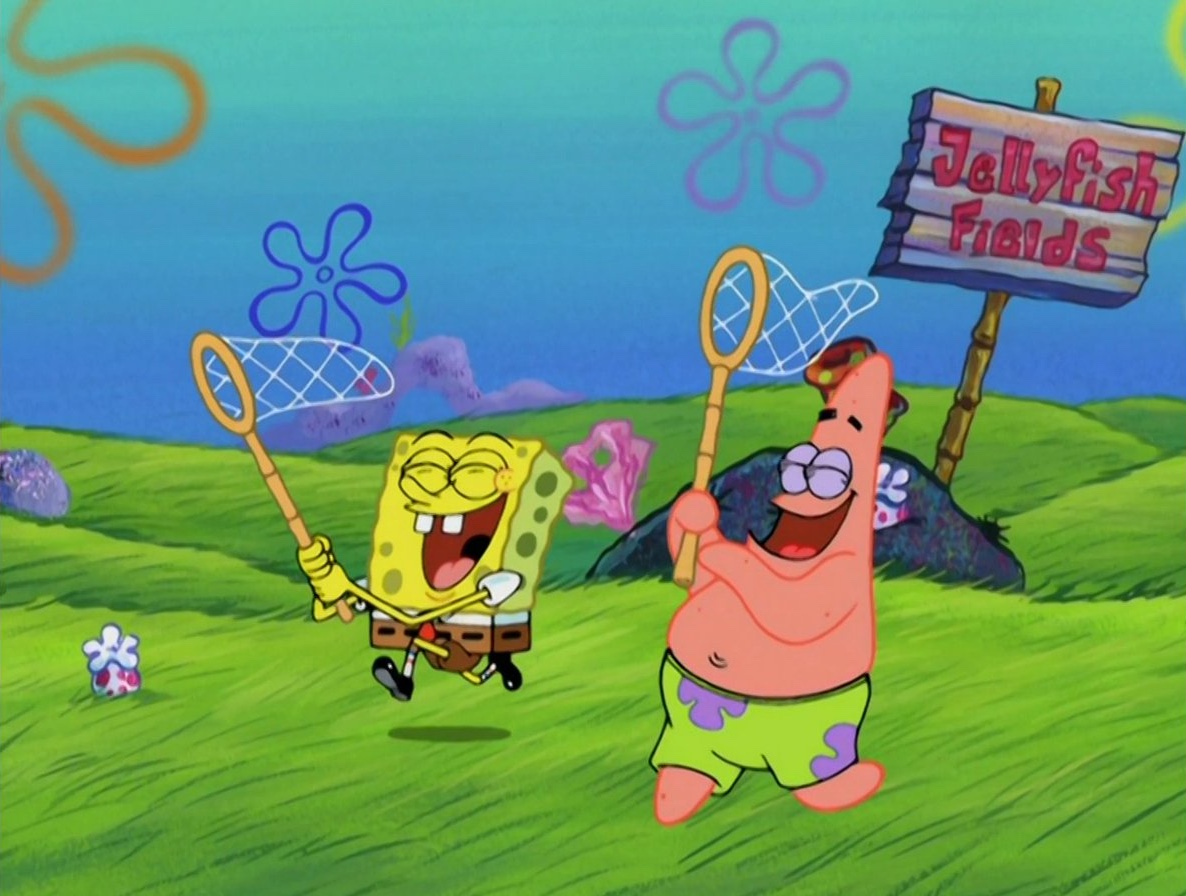
YS: I think I would create a work for SpongeBob and his friend Patrick. I love SpongeBob’s personality, and I think he would be really happy to receive it. Since my nickname in China is “Boluo”, which means pineapple, it feels like we already have a small connection. The work would be a matching, interactive pair that they could wear and use together, something playful that could even help them catch jellyfish.
Transformation and Flexibility in Process
NYCJW: That sense of play also shows up in your materials—what are you experimenting with right now?
YS: I am currently working on several series that feature raw stone and flexible ties.
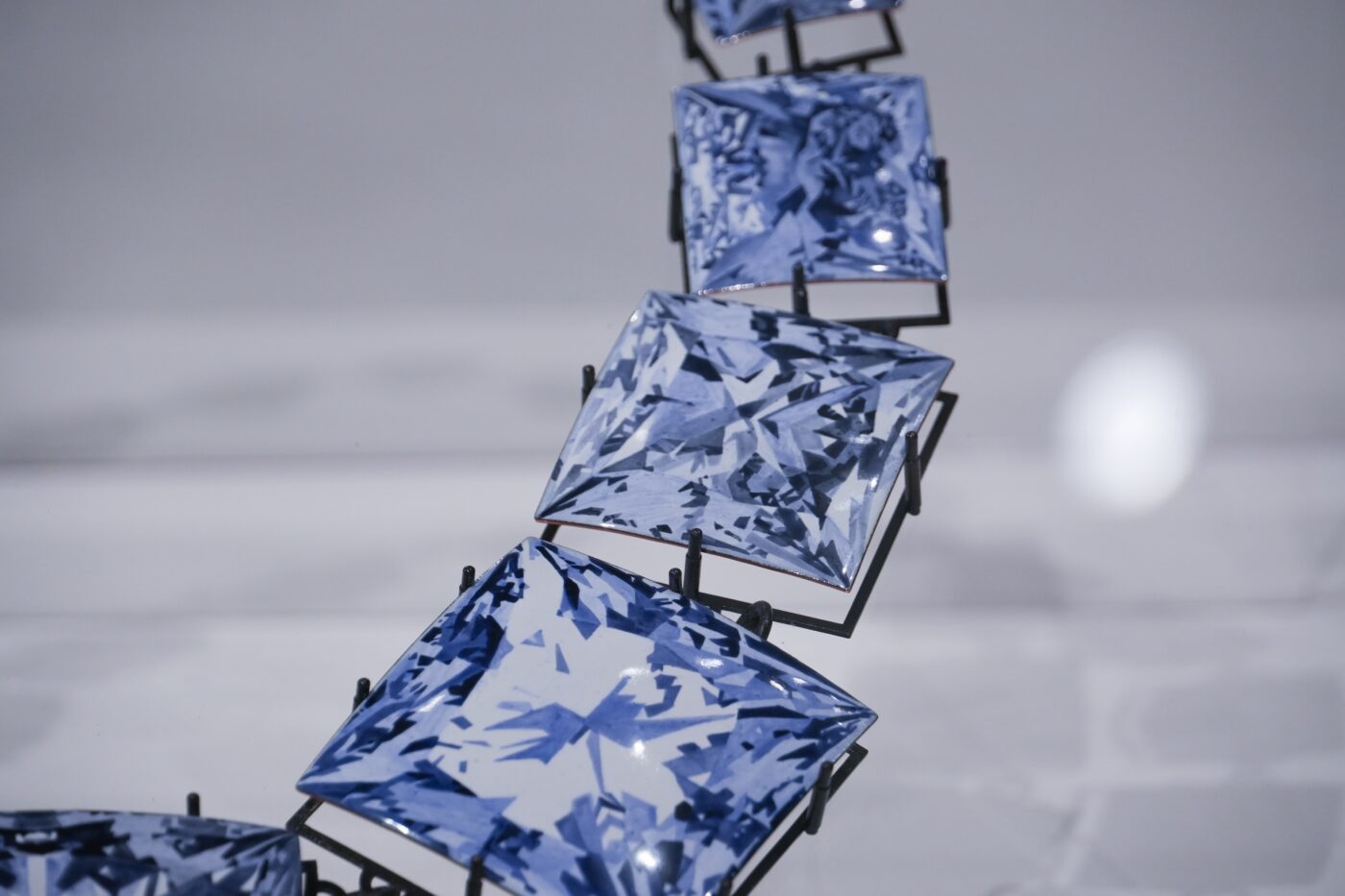
For the raw stone, I am interested in the relationship between raw stone, gemstones, and enamel, and how these materials reflect different states of transformation.
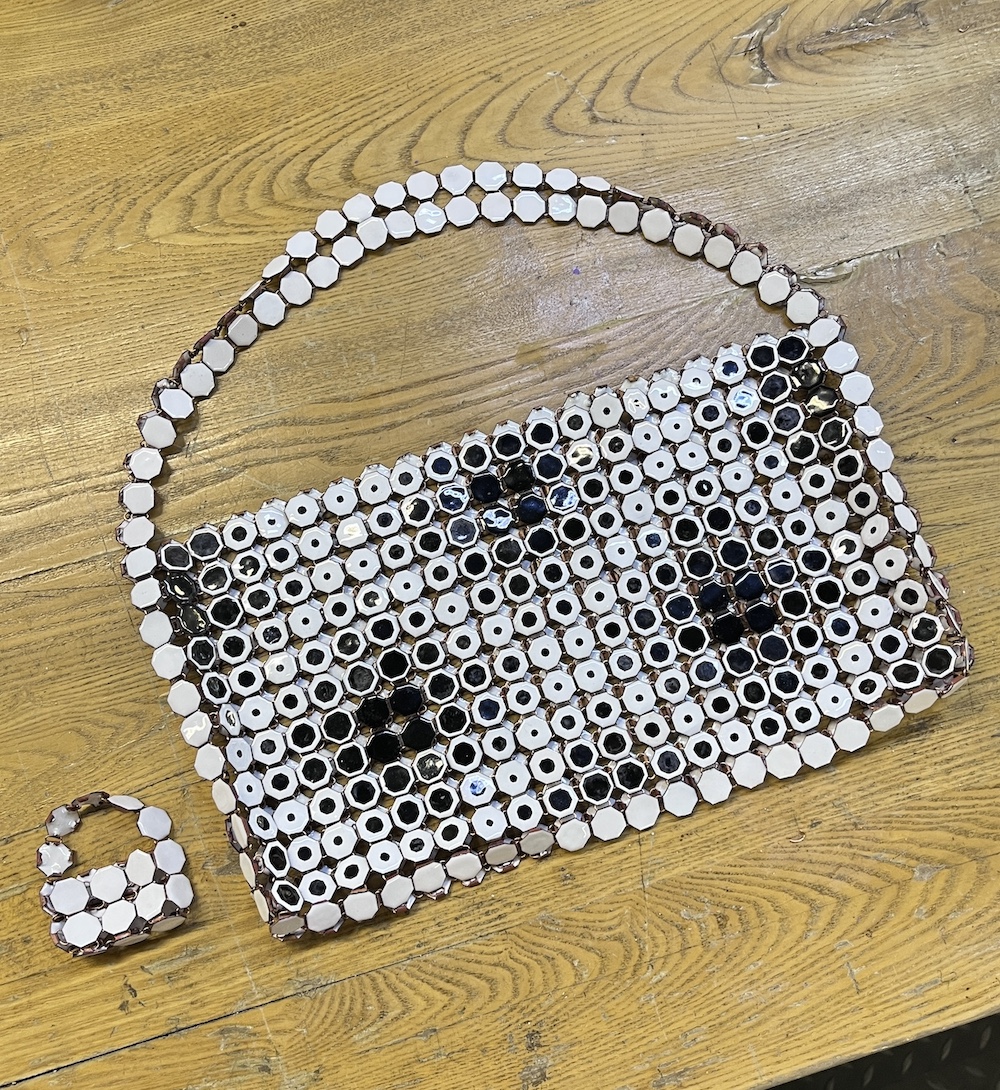
For the flexible ties, I draw inspiration from chainmail. I previously used this structure to create bag-like forms, and now I am pushing it further, strengthening the system to build flexible, fabric-like enamel forms that can move and adapt to different movements.
Reflection, Healing, and Evolving Meaning
NYCJW: With all these material explorations, what kind of experience do you hope people have when they encounter your work?
YS: I see the visual aspect of my work as an entry point. Some people might simply be drawn to how it looks, and I think that is completely valid. Others may spend more time with it and begin to sense where it is coming from.
For me, the work holds space for reflection and a quiet sense of healing, as much of it is rooted in personal experience. If it resonates with someone and allows them to connect with their own thoughts or feelings, that is meaningful to me.
At the same time, I do not see meaning as fixed. I do not have the final say in how the work is understood. Each person brings their own perspective, and I value how the meaning can shift and expand through different interpretations.
Curiosity Behind the Making
NYCJW: When people do engage more deeply, what’s something you wish they were more curious about?
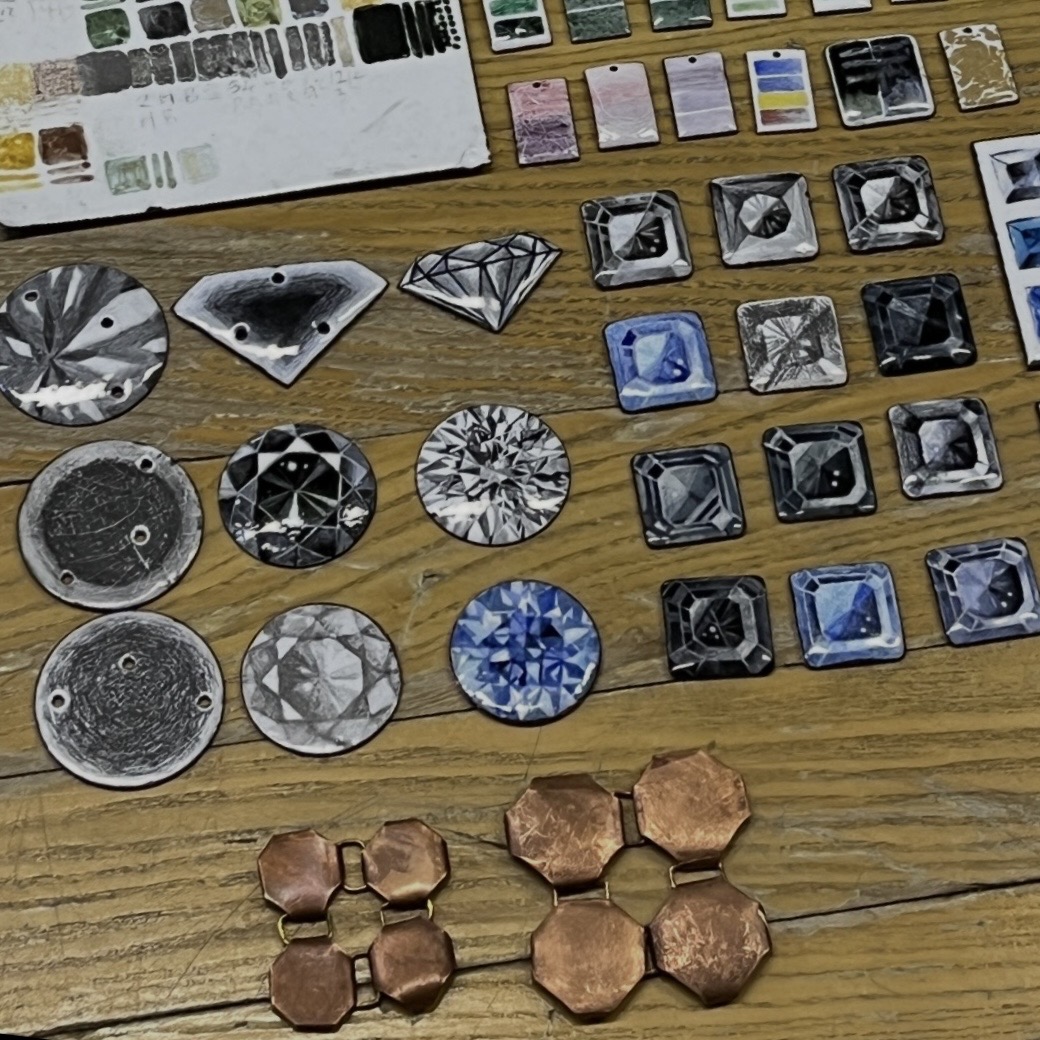
YS: I wish more people would ask about my making process.
For me, the process is not just a technical step; it is where the work really begins to take shape. I often think of it as a conversation with the material. Different materials have their own personalities, and sometimes my ideas come from experimenting with them. Other times, the process itself becomes part of the final concept.
Threads of Acceptance
NYCJW: And finally, when you look across your body of work, what feels like the thread that keeps reappearing?
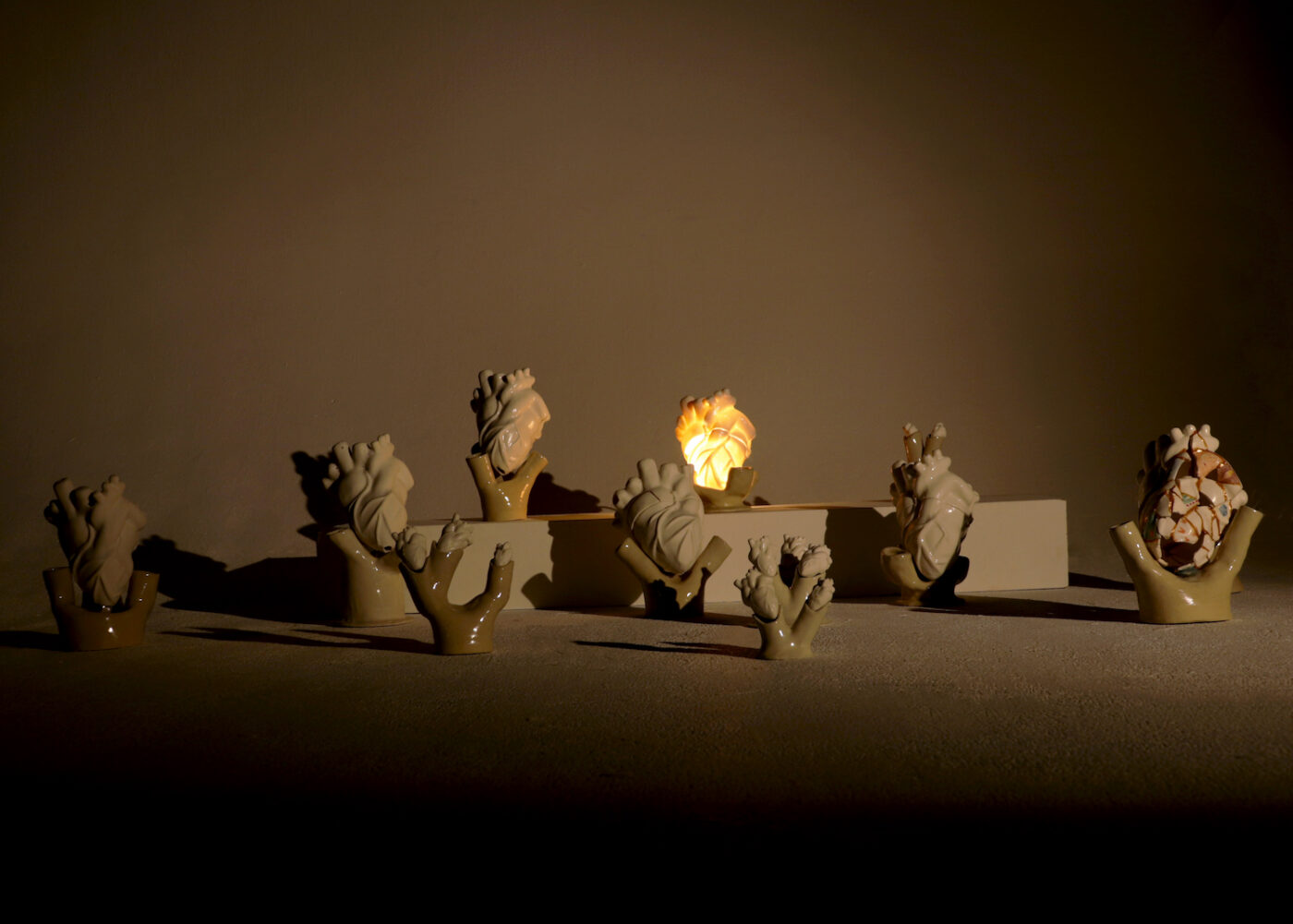
YS: A recurring theme in my work is learning to accept, grow, and love. In my 2022 ceramic installation, this was very obvious, as I focused on highlighting life’s imperfections. In my recent work, it has become more subtle, appearing through the materials I use.
I enjoy using objects to express my feelings, and I hope my work can bring a small sense of healing, even if it resonates with only a few people.
Yuxin Song’s practice resists fixed meaning, instead offering a quiet, material-driven dialogue between artist, object, and audience. Whether working with enamel, stone, or flexible structures, she treats making as both inquiry and conversation—one that continues long after the work leaves her hands.
About One for the Future (OFTF)
One for the Future celebrates the next generation of jewelry and creative industry professionals. Each year, honorees are recognized for their innovation, craftsmanship, and/or unique perspectives, gaining opportunities for mentorship, exposure, and connection with collectors and industry leaders worldwide.
Enjoyed this piece? Explore more jewelry content from Future Heirloom!