

Holding Memory: An Interview with Gabriella Botelho
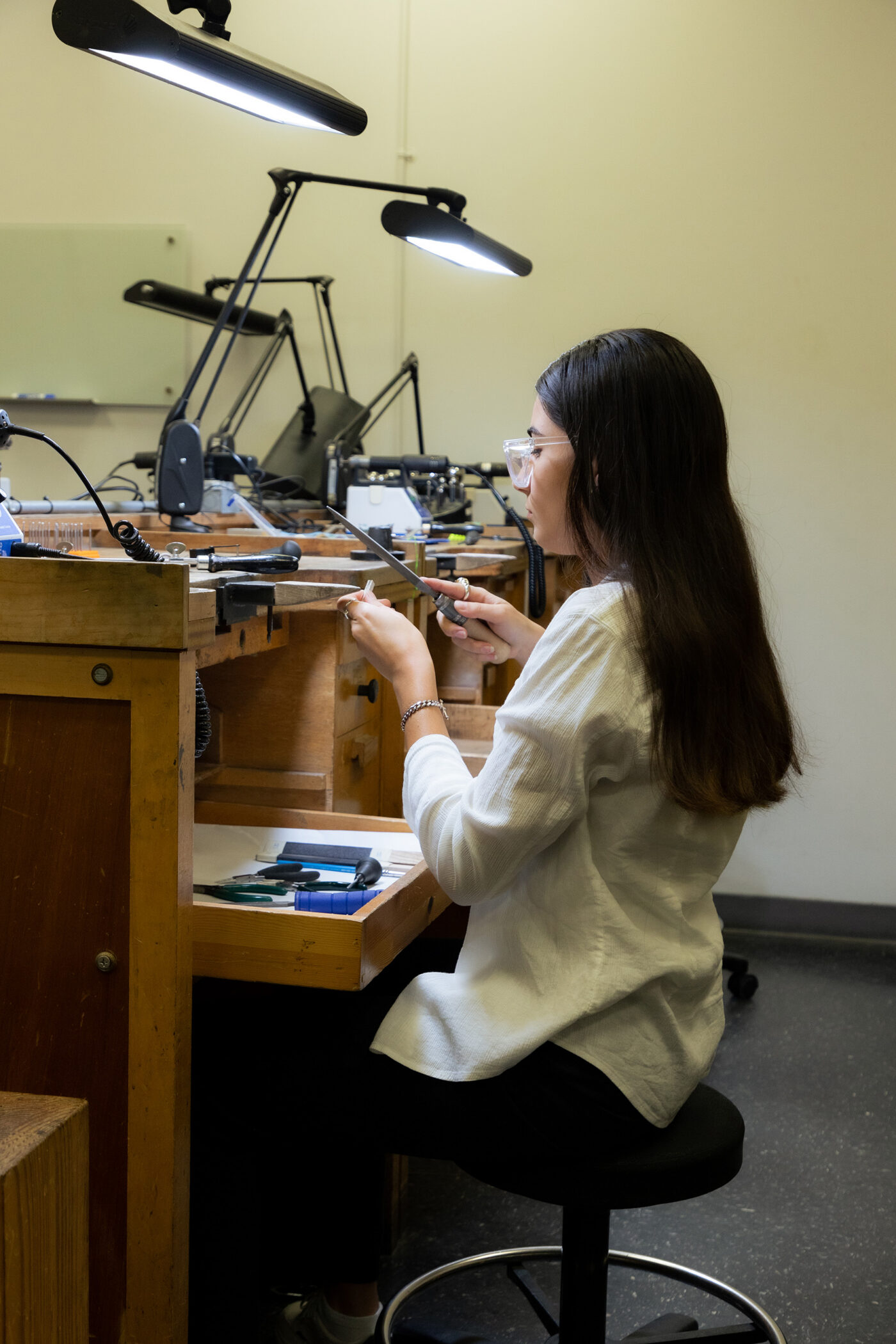
We sat down with Gabriella Botelho, a New York City–based jewelry designer and 2026–2027 One for the Future honoree, whose practice bridges traditional craftsmanship and contemporary design. With a B.F.A. in Jewelry from Savannah College of Art and Design (SCAD), she brings hands-on bench experience alongside digital CAD tools. Her work explores material, form, and cultural influence through a refined and evolving design language. Since graduating, she has worked with established jewelry brands as a designer, continuing to expand her approach through new techniques, materials, and collaborative processes.
The Story Behind the Work
NYCJW: To kick things off, what would you say is the story behind your work?
GB: My work explores jewelry as an emotional object that holds identity and meaning beyond its material value. I approach design through both traditional craftsmanship and contemporary processes, allowing me to move fluidly between hand-making and digital development. Whether I’m working with precious materials or experimenting with form, I’m always thinking about how a piece will live with someone and how it might hold significance far beyond its initial creation.
Work on Hold, Ideas in Progress
NYCJW: Is there something you’ve been interested in making but haven’t gotten around to yet?
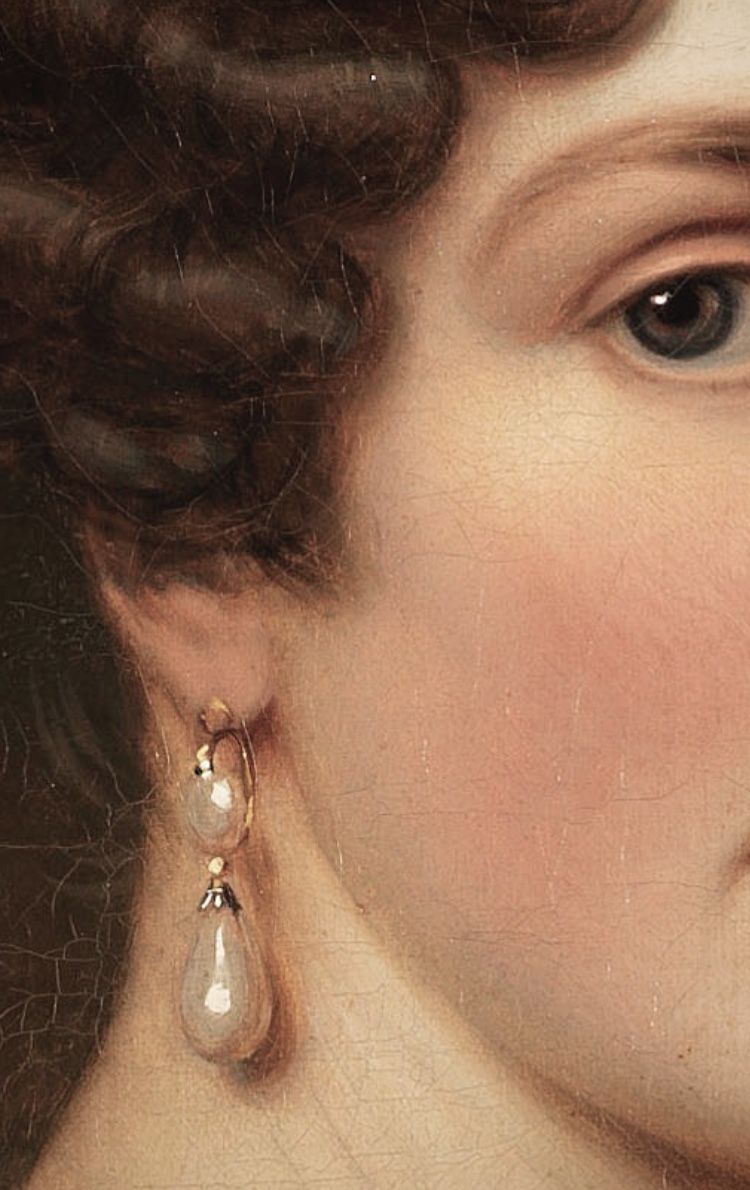
GB: I’ve been drawn to the idea of painting jewelry the way historical portraiture paintings do. I imagine zooming in on a single piece, like an earring or clasp, and rendering it in oil paint with the same care and attention given to classical bust portraits. It’s a shift from gouache jewelry hand rendering into something more personal on the body. I think I wasn’t ready for it because it requires time away from jewelry design and making. It’s something I’d like to return to when I can give it that level of focus.
Rethinking Scale and Meaning
NYCJW: If your work didn’t exist as jewelry at all, what other form do you think it would naturally take
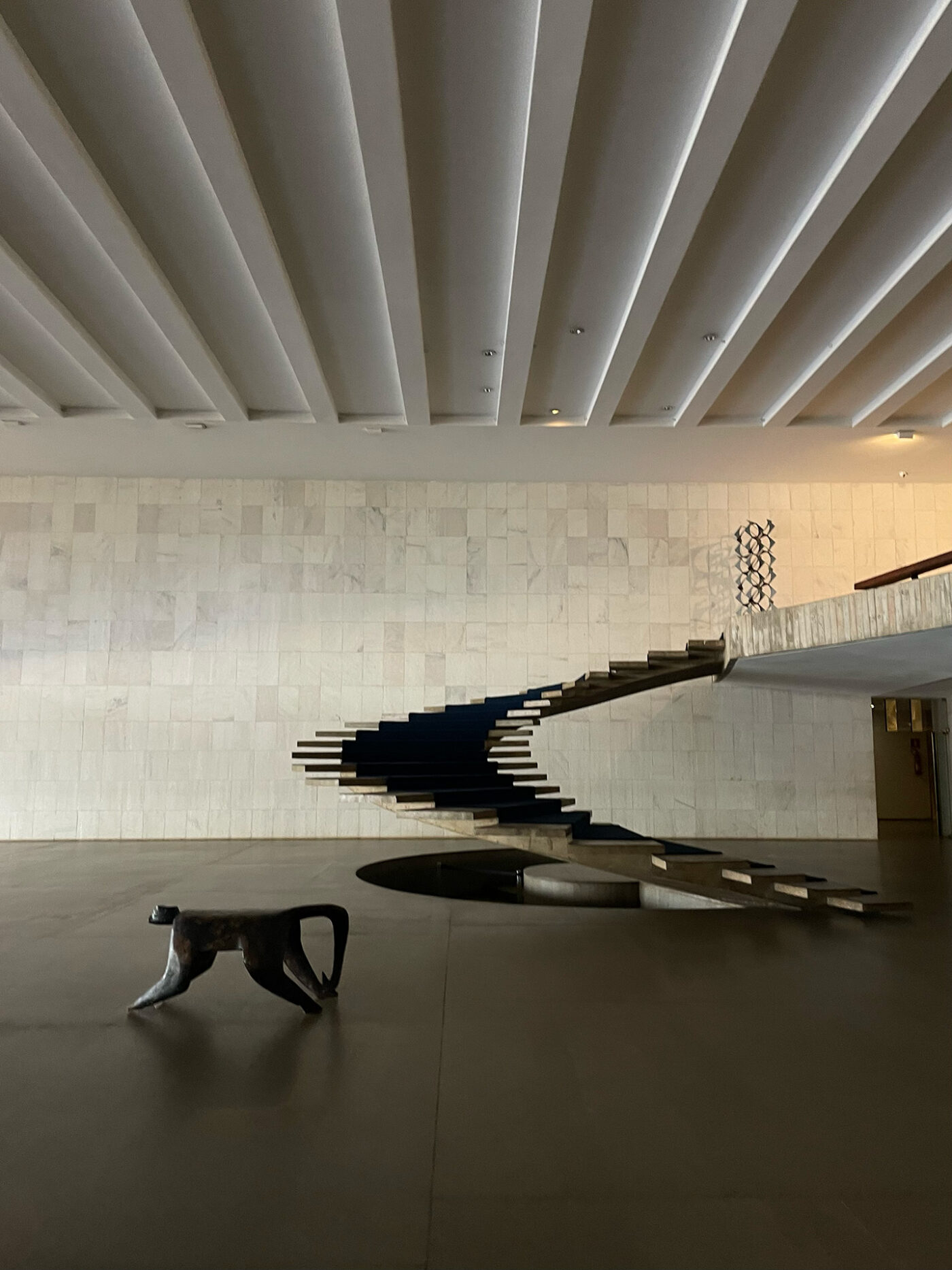
GB: If my work moved into another medium, it would become furniture. I grew up surrounded by architecture through my parents’ practice, and I’ve always been drawn to the way larger forms exist in space and interact with people. Jewelry and furniture both interact with people and the human form. Woodworking, in particular, feels like a natural extension of jewelry-making because there’s still precision, structure, and an attention to detail, just on a different scale. Growing up around architect parents, I would tour many homes and buildings, and I often found myself most captivated by a beautiful chair or dresser in these beautifully designed homes. Those moments spark ideas about how I might translate my design language into larger forms.
NYCJW: Is there something people often assume about jewelry that you don’t really agree with?
GB: I think there’s a tendency to reduce jewelry to fashion or surface-level adornment, when in reality it serves a much deeper purpose. Jewelry often carries emotional weight, representing love, memory, identity, or loss. Whether it’s a gift between people, a cultural object, or something worn daily, it is personal, and its meaning goes far beyond aesthetics. For me, the sentimental value of a piece will always outweigh the value of the materials. A simple object can tell a story and hold history, and that’s what makes jewelry powerful.
Creative Doubt, Perspective, and Designing for Character
NYCJW: Can you think of a recent moment where you felt unsure about your creative direction?
GB: One of the most challenging moments of creative doubt came when I began designing within the structure of a brand. It forced me to rethink how I approach creativity, not just personal expression, but as something that has to resonate with others. Designing for yourself allows complete freedom, but designing for a brand requires listening, observing, and understanding what people are drawn to. This ultimately expanded my perspective and creative bubble. I learned how to balance innovation with consistency, and how to create work that feels new while still staying true to a brand’s core identity.
NYCJW: If you could design something for a real or fictional figure, who comes to mind?
GB: I’ve never thought about designing for a fictional or historical figure. I would maybe design a piece for Princess Diana. There was a quiet strength and emotional depth to her presence, and I would want to create something that reflects both her softness and resilience. I imagine a piece that feels intimate rather than overtly regal, that reveals complexity the longer you look at it. It wouldn’t be about grandeur, but about humanity.
Exploring Stones and Transparency
NYCJW: Is there something unusual you’re currently really interested in—like a material or technique—that you keep coming back to?
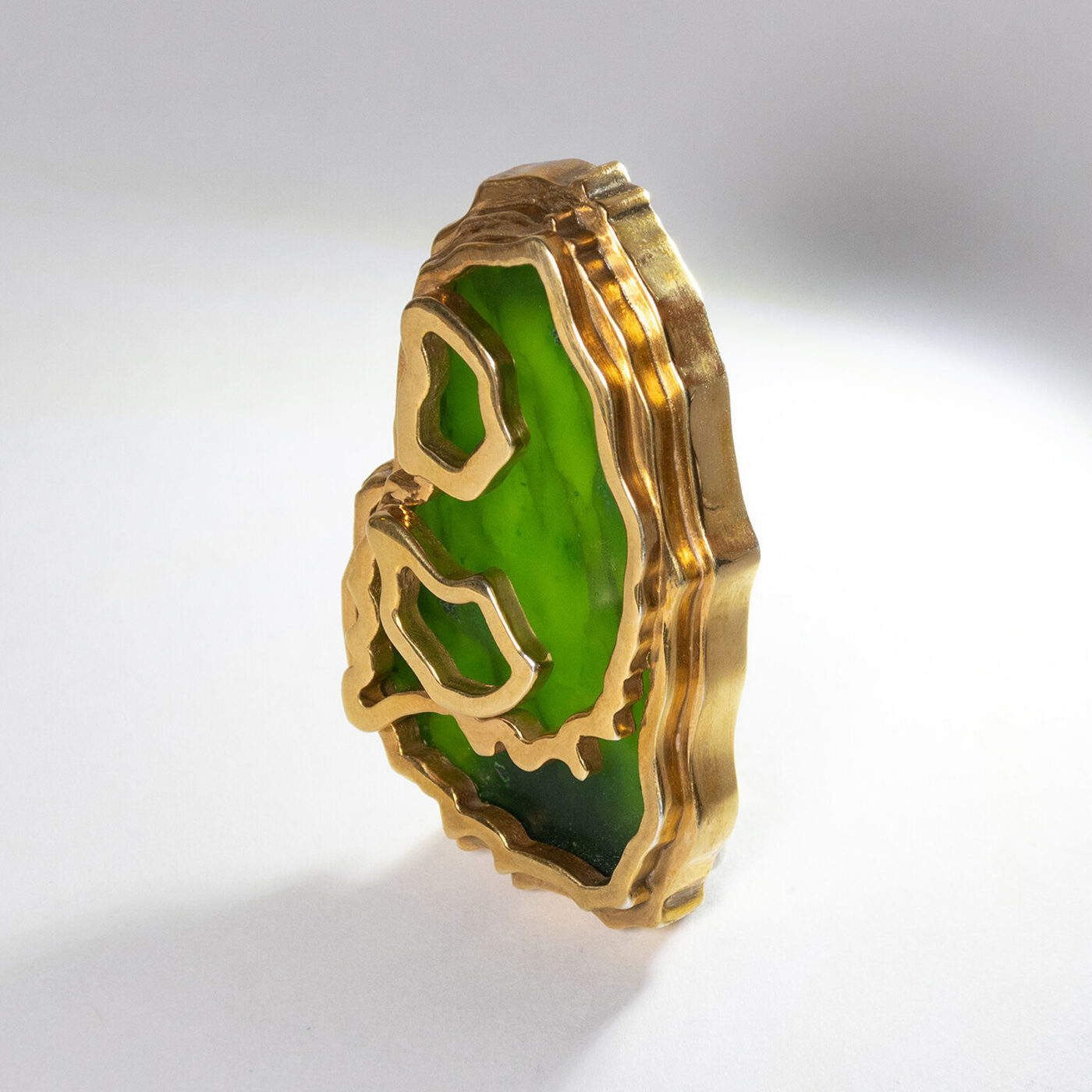
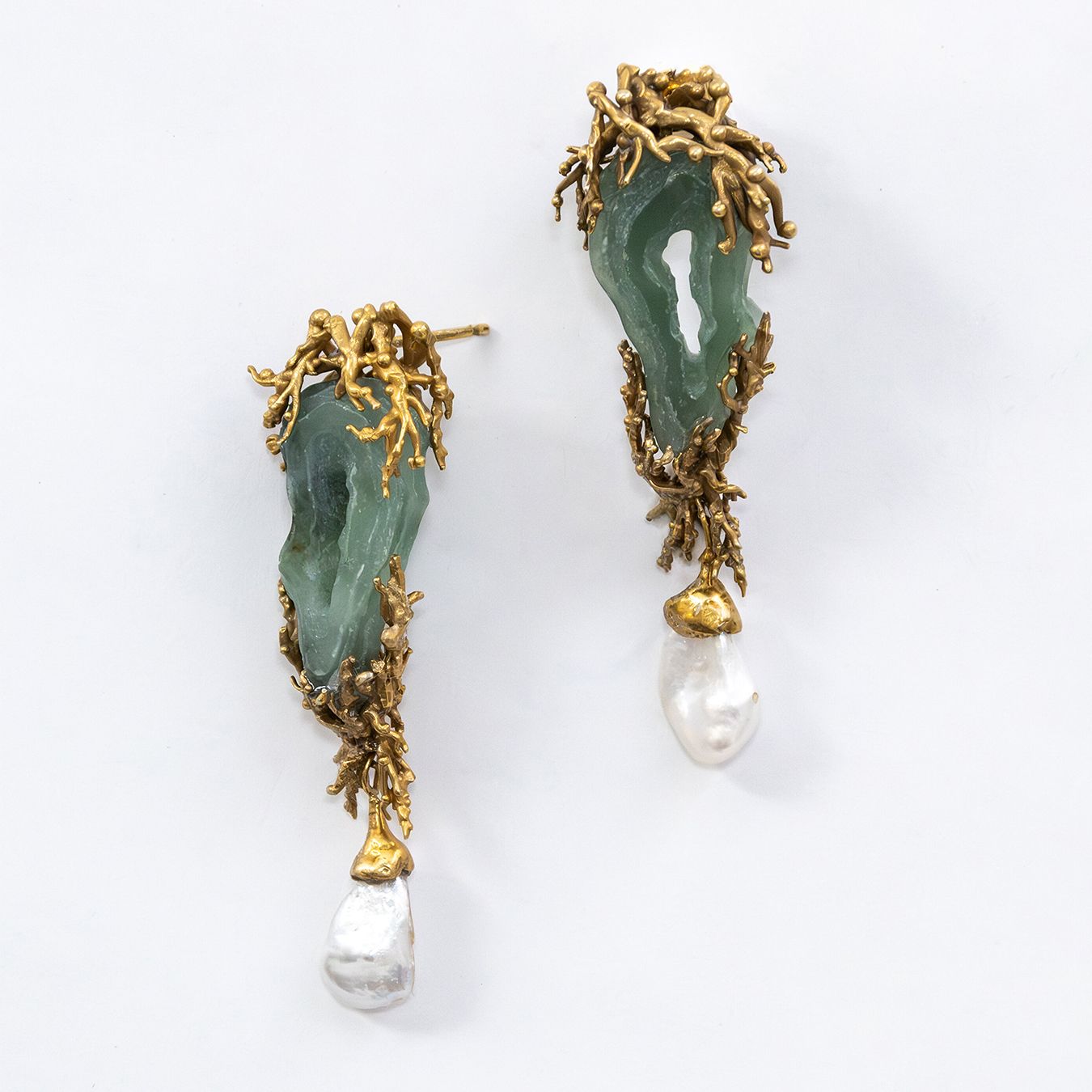
GB: Right now, I’m really interested in playing with layering stones. Setting one within or beneath another so that they interact through transparency, color, and light. I’m drawn to the contrast between opaque and translucent materials, and how different cuts can coexist. I would love to play more with the relationships between gemstones.
Jewelry as Memory and Connection
NYCJW: When someone wears or interacts with your work, how do you hope it lands with them emotionally or personally?
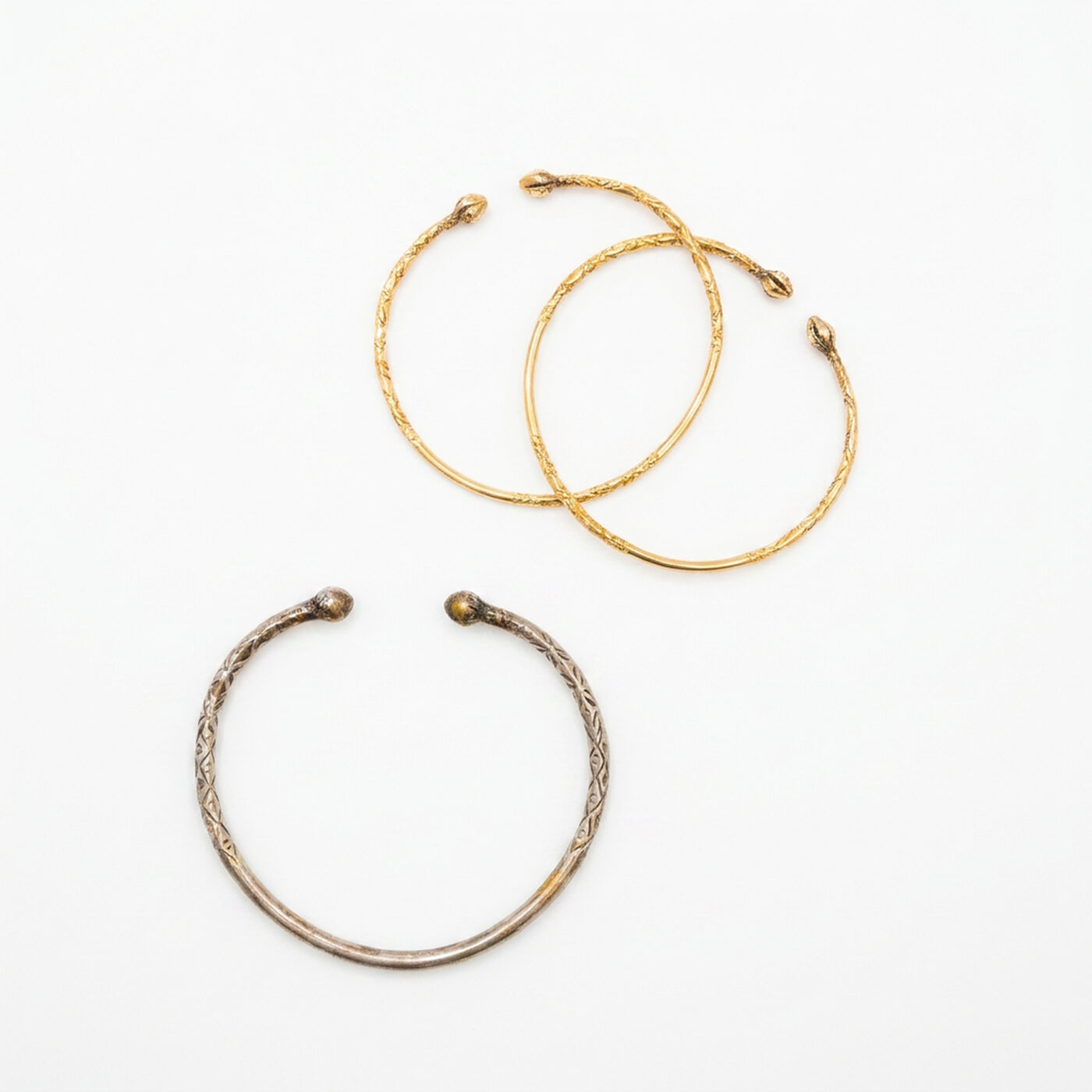
GB: I want people to connect with something personal when they engage with my work. Jewelry has the ability to hold memory in a very intimate way. I think about that through my own experience, like wearing my West Indian bayras every day. These gold bangles represent a blend of African, Indian, and South American traditions rooted in Caribbean tradition. For me, they represent heritage and identity. I hope my work gives people permission to value that kind of connection, to see jewelry not just as something to wear but as something to feel.
Letting Work Speak for Itself
NYCJW: Is there a question you wish people asked you more often about your work?
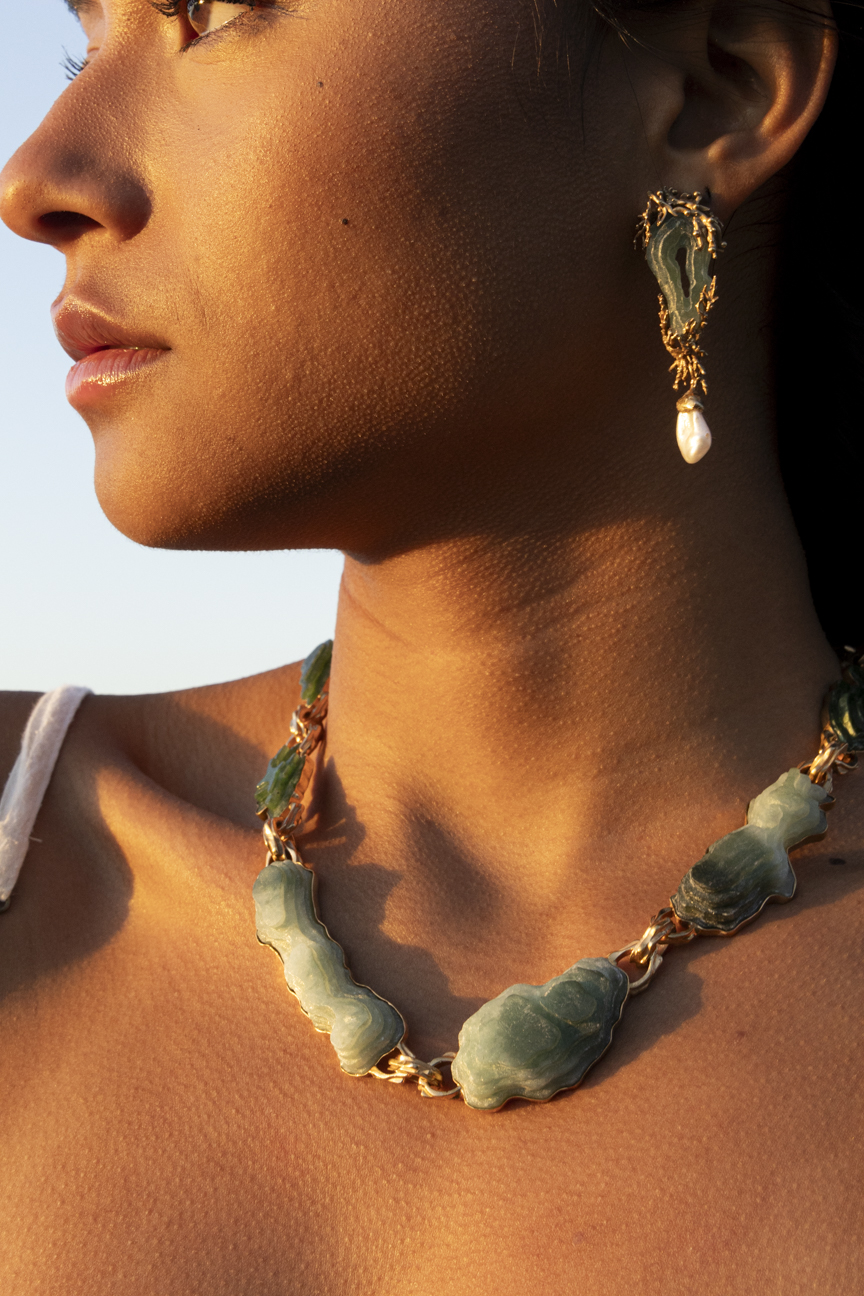
GB: I hope people don’t feel the need to ask questions about my work, because I want them to connect with it through their own personal and emotional perspectives. I see jewelry similar to other forms of art, which are open to interpretation. You don’t need a technical explanation to connect with a piece. What you see, feel, or associate with it is valid, and often more meaningful than a prescribed narrative.
Heritage, Material, and Continuous Exploration
NYCJW: Are there themes or ideas that keep showing up in your work, even if you’re not consciously trying to repeat them?
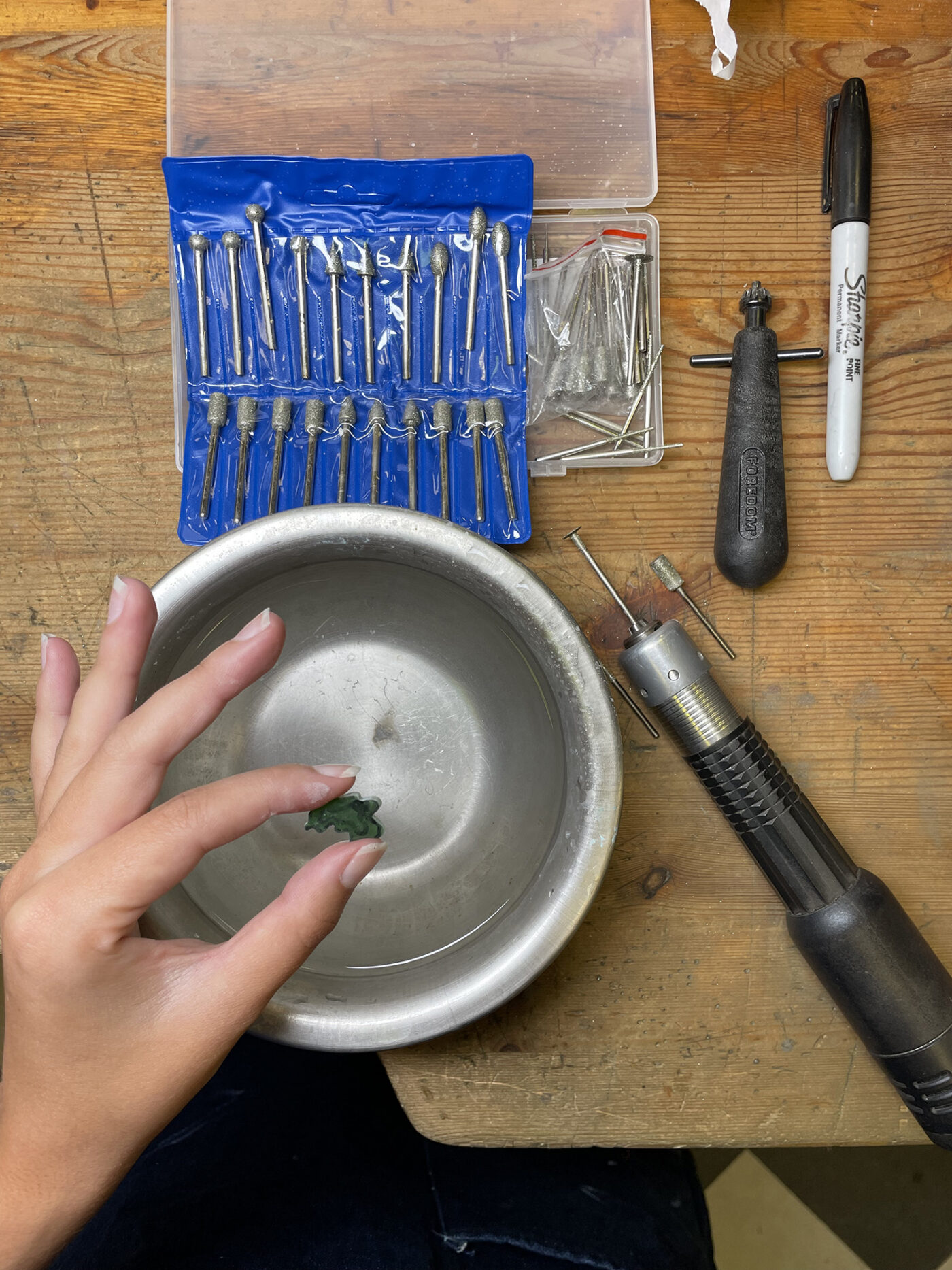
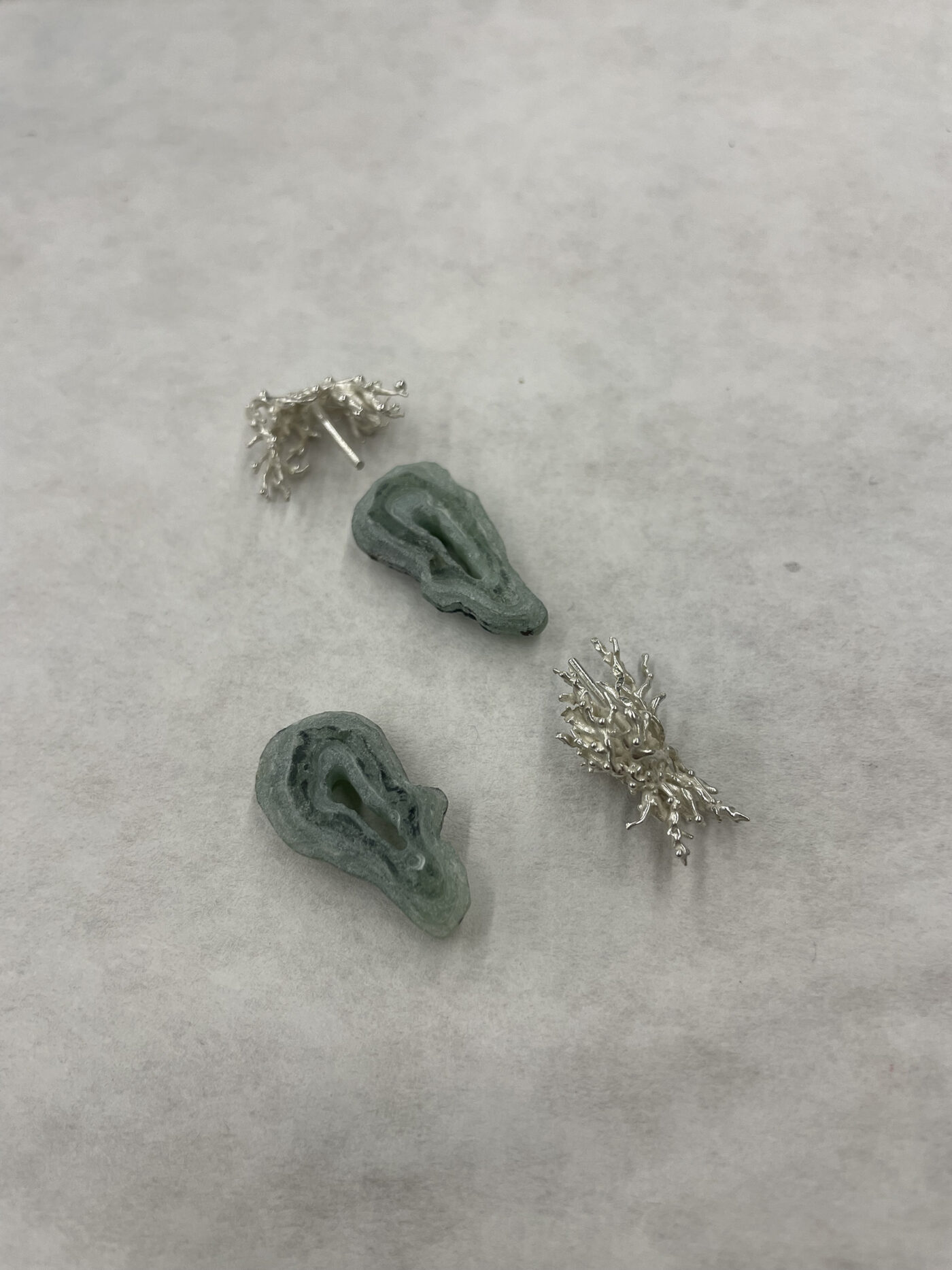
GB: A recurring theme in my work is my cultural heritage. I’m deeply influenced by how my environment has shaped me, and I try to capture that through objects that evoke memory and nostalgia. I’m also driven by exploring new materials and techniques through design, CAD, bench work, or stone. This keeps my work evolving and my mind learning.
About One for the Future (OFTF)
One for the Future celebrates the next generation of jewelry and creative industry professionals. Each year, the program recognizes honorees for their innovation, craftsmanship, and/or unique perspectives and connects them with mentorship, exposure, and opportunities to engage with collectors and industry leaders worldwide.
Enjoyed this piece? Explore more jewelry content from Future Heirloom!