

In Conversation with Xiaoyu Li: Material Memory, Craft, and Geocultural Form
Xiaoyu Li is a contemporary jewellery artist and maker based in London, specialising in stone carving and gold- and silver-inlay. A 2026–2027 One for the Future Honoree, her practice explores how material and technique carry geocultural specificity, treating jewellery as a site where cultural narratives and hybrid identities take form.
With a background in painting and over nine years of jewelry-making experience across China and the UK, Li completed her MA in Jewellery & Metal at the Royal College of Art. She has exhibited her work internationally, including at London Craft Week, Munich Jewellery Week, and London Fashion Week, and has received multiple GC&DC Gold Awards as well as the 2026 Gem-A Award.
We had some questions to ask her about her practice, process, and the ideas shaping her work today.
Practice and Material Origins
NYCJW: To start, how would you describe the story of your work and your practice?
XL: I’m currently based in London, working with stone and metal inlay. My practice spans contemporary art jewellery and craft, and engages with ideas of land as well as more personal narratives. I’m particularly interested in traditional techniques and the stories behind them. It reveals how materials are shaped by the land, as well as what has taken place within it.
Shifting Scale and Practice
NYCJW: Following on from that, is there anything you’ve worked on or thought about that you’ve decided to pause or set aside for now?
XL: I haven’t abandoned a project, but postponed a direction I’ve been interested in, moving my practice from jewellery into sculpture. I began to consider how stone carving might operate at a larger scale, shifting from an intimate relationship with the body towards a more spatial one. I’ve always seen jewellery as a form of small-scale sculpture, so this felt like a natural extension. However, I realised that scale alone wasn’t enough. I hadn’t yet resolved how these traditional crafts could function in a spatial context without losing their conceptual and material integrity.
Returning to Painting as a Parallel Practice
NYCJW: I’m also curious—if your work could exist in a completely different medium, like film, architecture, music, painting, or something else entirely, where do you think it might go?
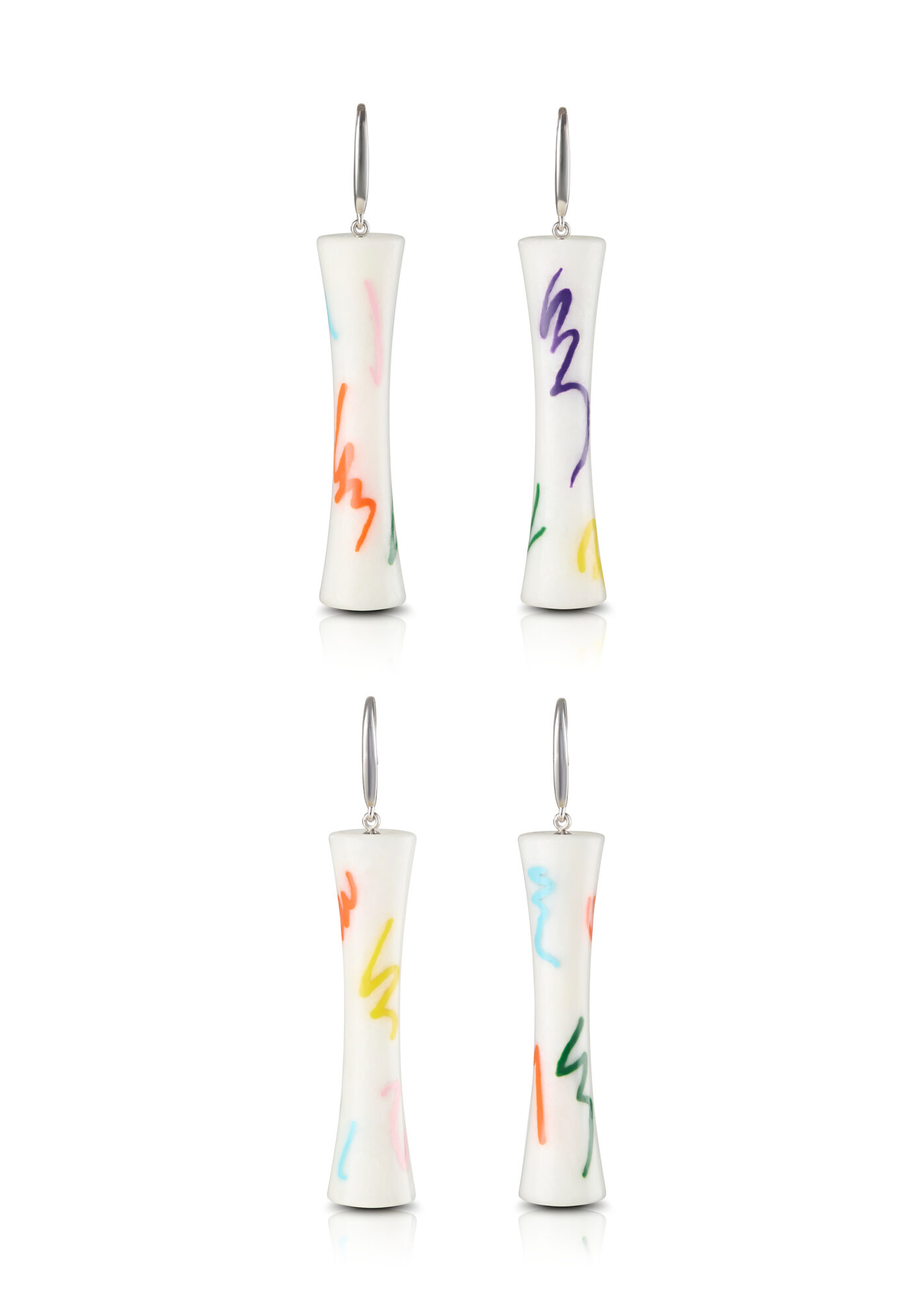
XL: Painting is a direction I would return to. I trained in painting from a young age, and for many years it was my primary way of engaging with art. During my BA, I moved away from image-based expression towards contemporary art jewellery. That distance has stayed with me, and returning to painting would open up a different way of working. Approaching a familiar medium from a new position could bring a different sensitivity, letting me to engage more directly with the visual, gesture, and thought.
An Open Approach to the Field
NYCJW: Within the field, are there any ideas or assumptions you find yourself gently questioning, or maybe just not fully subscribing to?
XL: I wouldn’t frame it as a disagreement. I’ve always taken an open attitude within the field. Contemporary art jewellery is still a very young discipline, and I’m always looking for different voices to emerge.
Material Memory and Working Through Doubt
NYCJW: Thinking about your process more personally, can you remember a recent moment of real creative doubt?
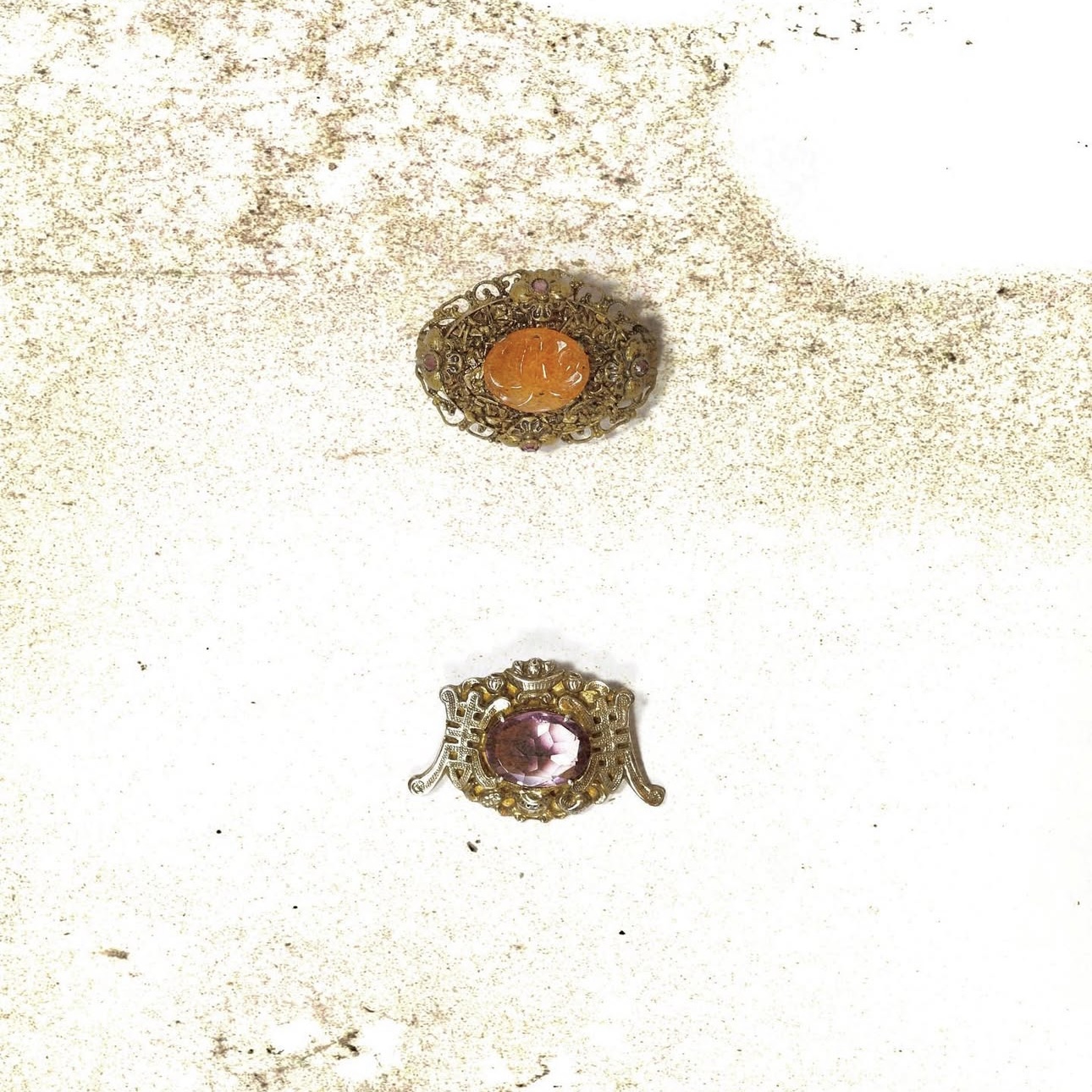
XL: Last year marked a turning point in my practice, when I began to question how the work could continue to develop without becoming too resolved in its form. In those moments of uncertainty, I return to history. I think of jewellery as a medium that writes history through its materials and techniques. Museums become an important place of reference. I spent time studying the jewellery collection and archives at the V&A, looking at how materials have been used and understood across different periods. I also draw on research into ancient Chinese jade carving. Many of these forms and techniques are no longer practiced, but they carry a way of understanding where the craft comes from. This doesn’t resolve the doubt directly, but allows me to reposition the work within a longer continuum and keep moving.
NYCJW: Right now, is there any unusual material, object, text, or source of inspiration that draws you in? And how is that starting to show up in your work?
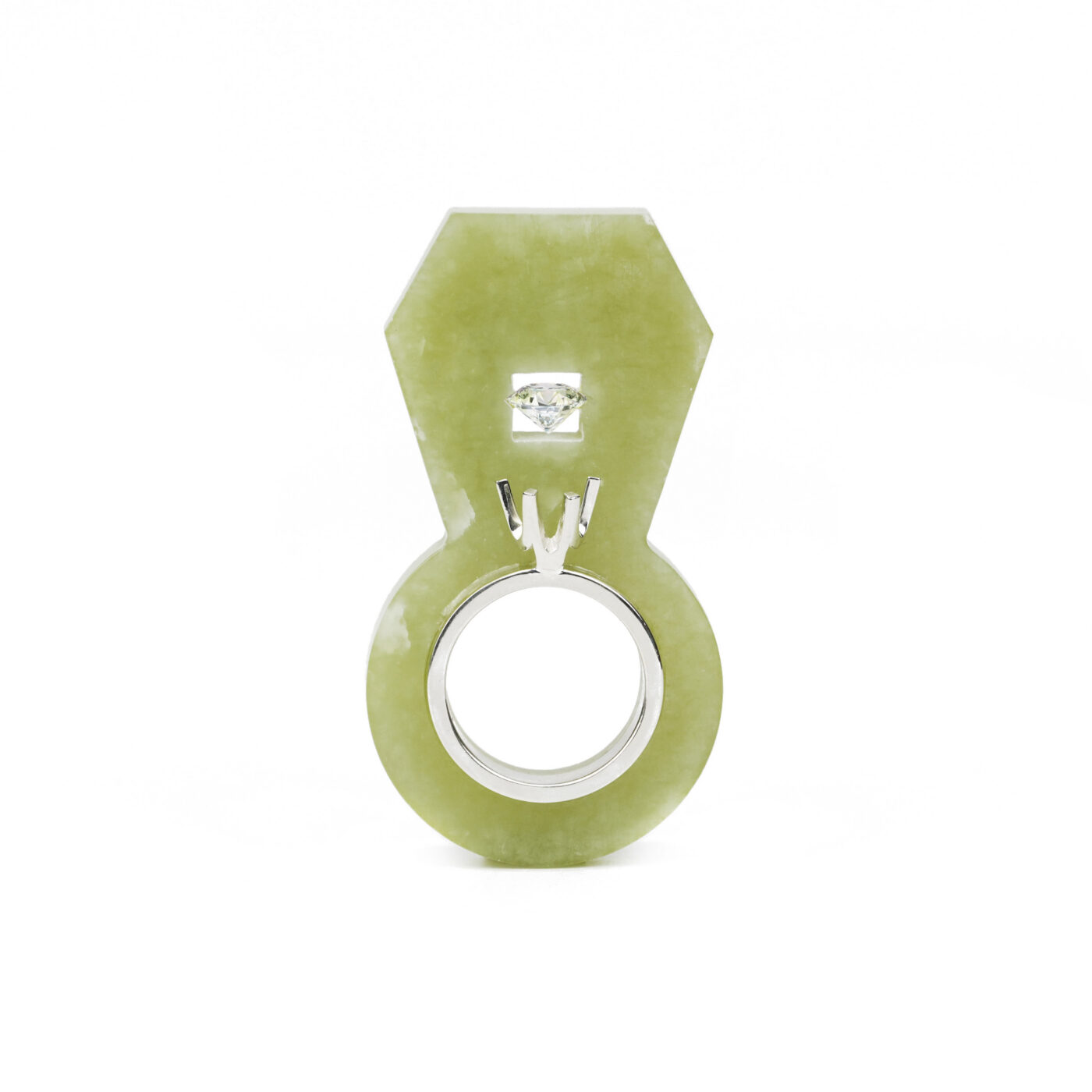
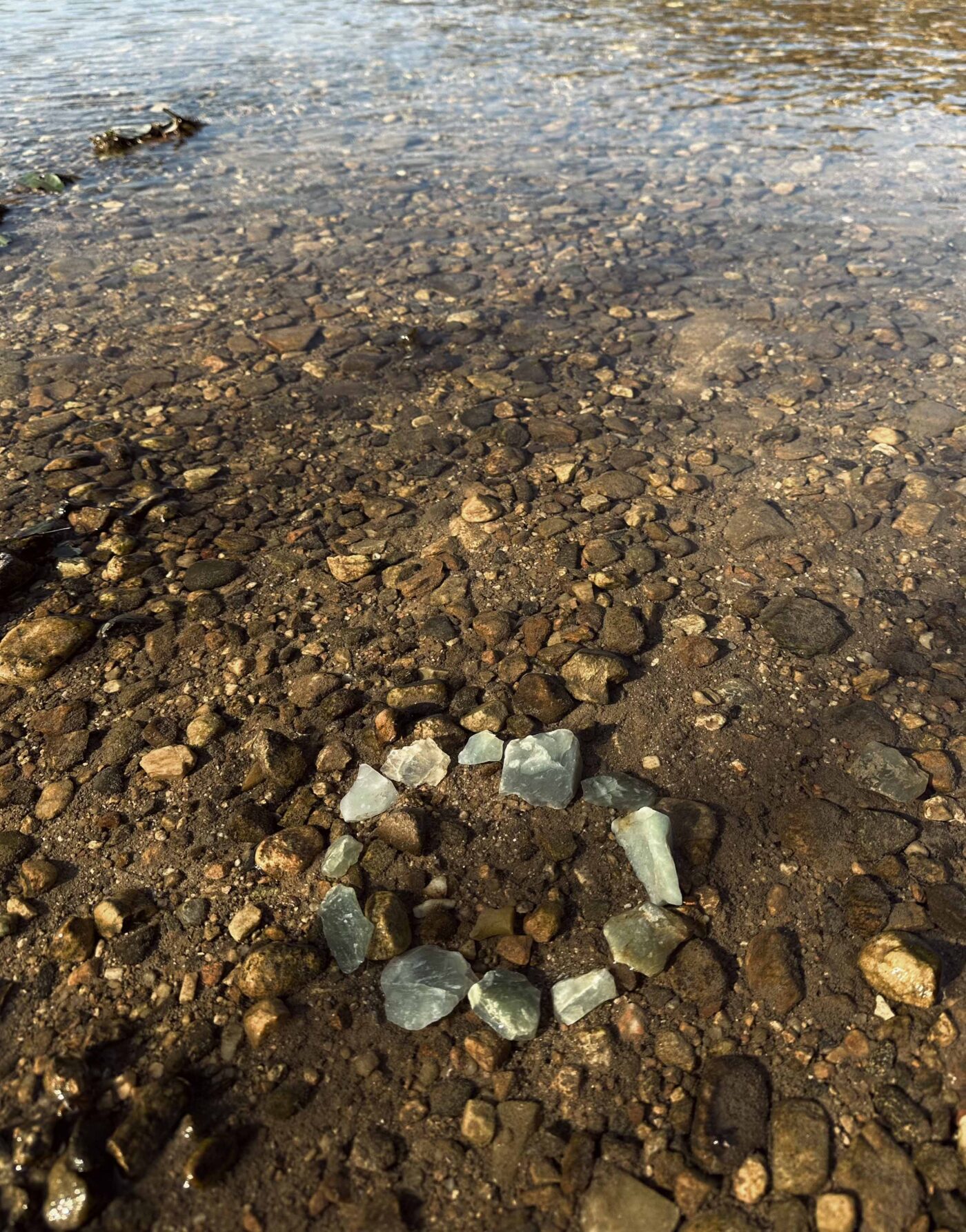
XL: Stone has always been at the core of my practice. By working with stone and examining its cultural histories, I explore how land shapes individual experience and how craft can embody forms of collective memory. This is embedded in the work through the act of carving stone itself. Rather than imposing a fixed form, I respond to the inherent qualities of the stone, allowing its character to emerge through the process. In this sense, each piece is unique.
Craft, Land, and Reflection
NYCJW: Stepping back a bit, when someone experiences your work, how do you hope it makes them feel?
XL: I hope my work allows people to form a connection with the land. My practice involves moving across different places, learning local crafts, and working directly with materials in their place of origin. Through this, I see craft as a way of reading history, shaped by specific cultural and geographical conditions. I hope the work offers a space for reflection, not only on where the craft comes from, but also on where we come from. I’d like viewers to consider their own cultural roots, how identity is formed and continues to shift over time.
Reactivating Traditional Techniques Through Inlay
NYCJW: What question do you wish people would ask you more often about your practice?
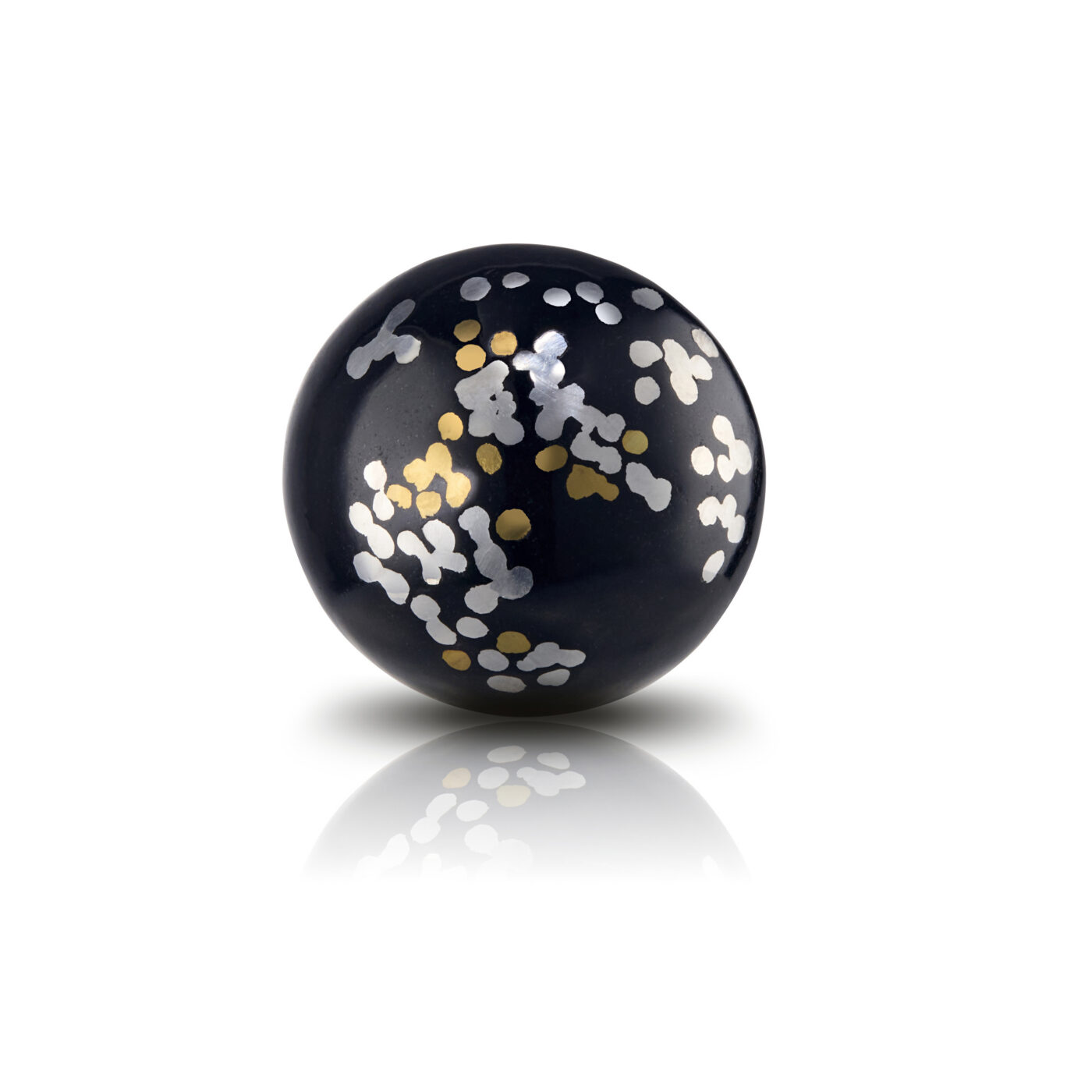
XL: I wish more people would ask about the techniques used in my work and the stories behind them. One of the techniques I use in my work is gold- and silver-inlay on stone. Gold and silver inlay on stone is a historically rich craft shaped through centuries of cultural exchange. The earliest known examples date to the 12th century in eastern Iran, before the technique developed across Timurid Central Asia and Mughal India. Similar approaches later appeared in Chinese jade carving, where they were reinterpreted within local traditions through cross-cultural exchange.
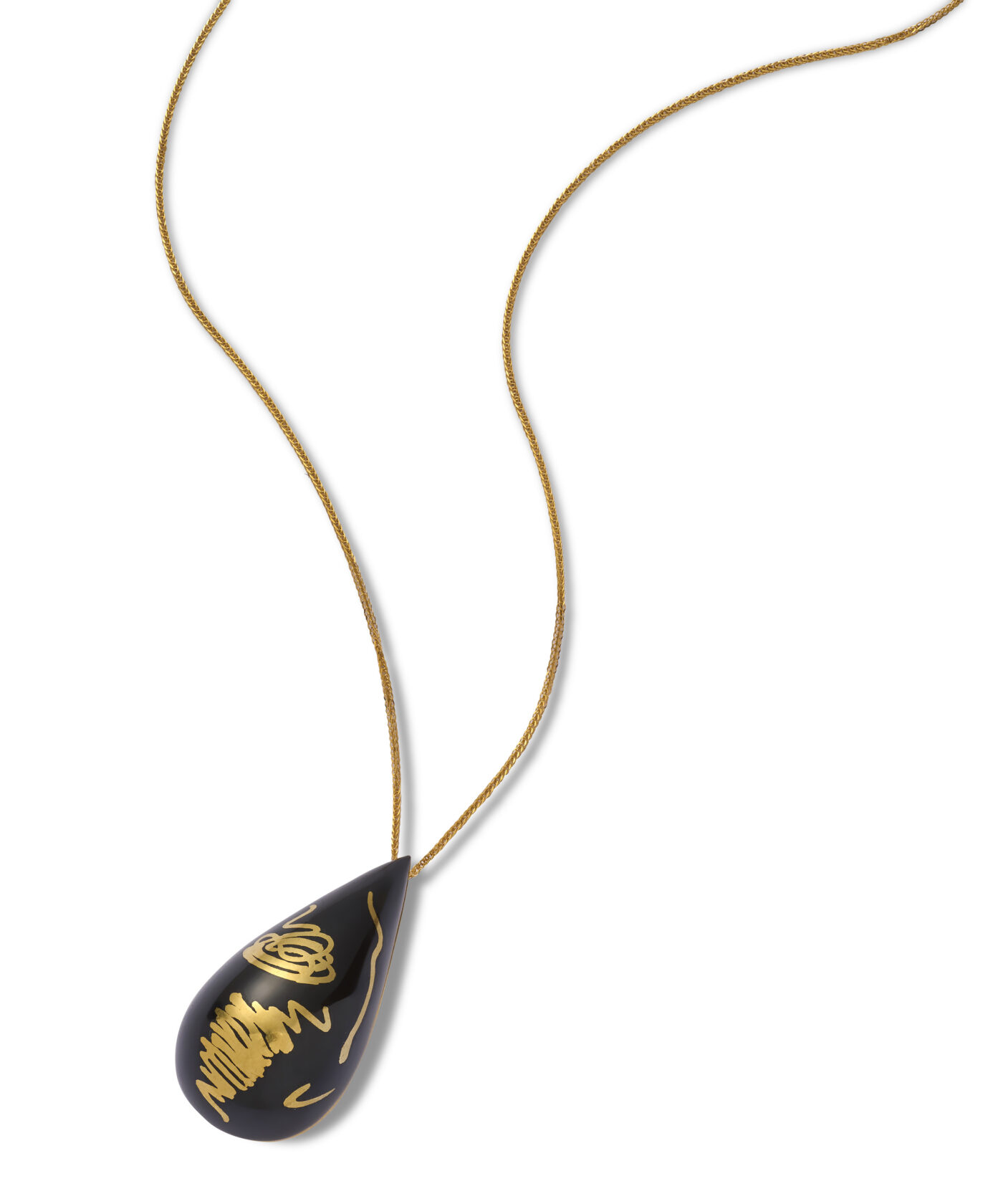
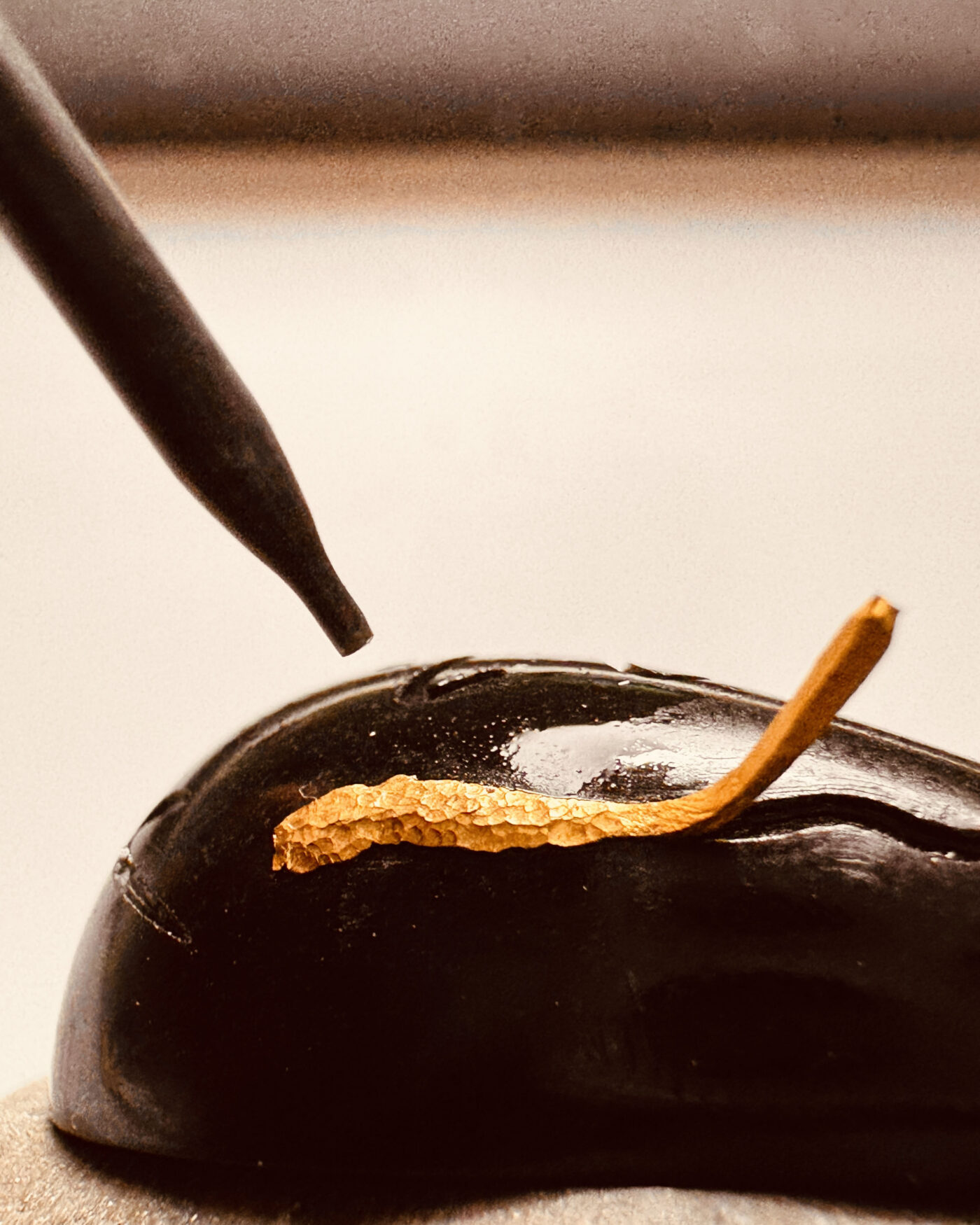
In my work, gold and silver inlay become a way of engaging with the stone. Rather than following its traditional decorative logic, I emphasise the natural markings of the stone. VESSEL brings the gold and silver inlay on stone into a contemporary jewellery context, while remaining rooted in traditional making methods. The process begins by carving fine grooves into the stone, which are then undercut to create a mechanical lock for the precious metal. Where needed, small drilled recesses can be added to strengthen the connection. Gold or silver is gradually pressed into these prepared channels, securing the inlay without the use of adhesives or soldering. The technique demands exceptional precision, as every cut must be carefully controlled to hold the metal while preserving the strength of the stone. It also places strict demands on material selection, requiring high-hardness, tough stones and highly malleable metals. For this reason, only fine silver and 24-carat gold are suitable, as they can be worked into the stone without compromising its integrity.
Returning Motifs and Early Material Memory
NYCJW: I’m curious if there’s a recurring theme, idea, or even emotion in your work that keeps showing up, sometimes quite subtly. Why do you think it keeps coming back?
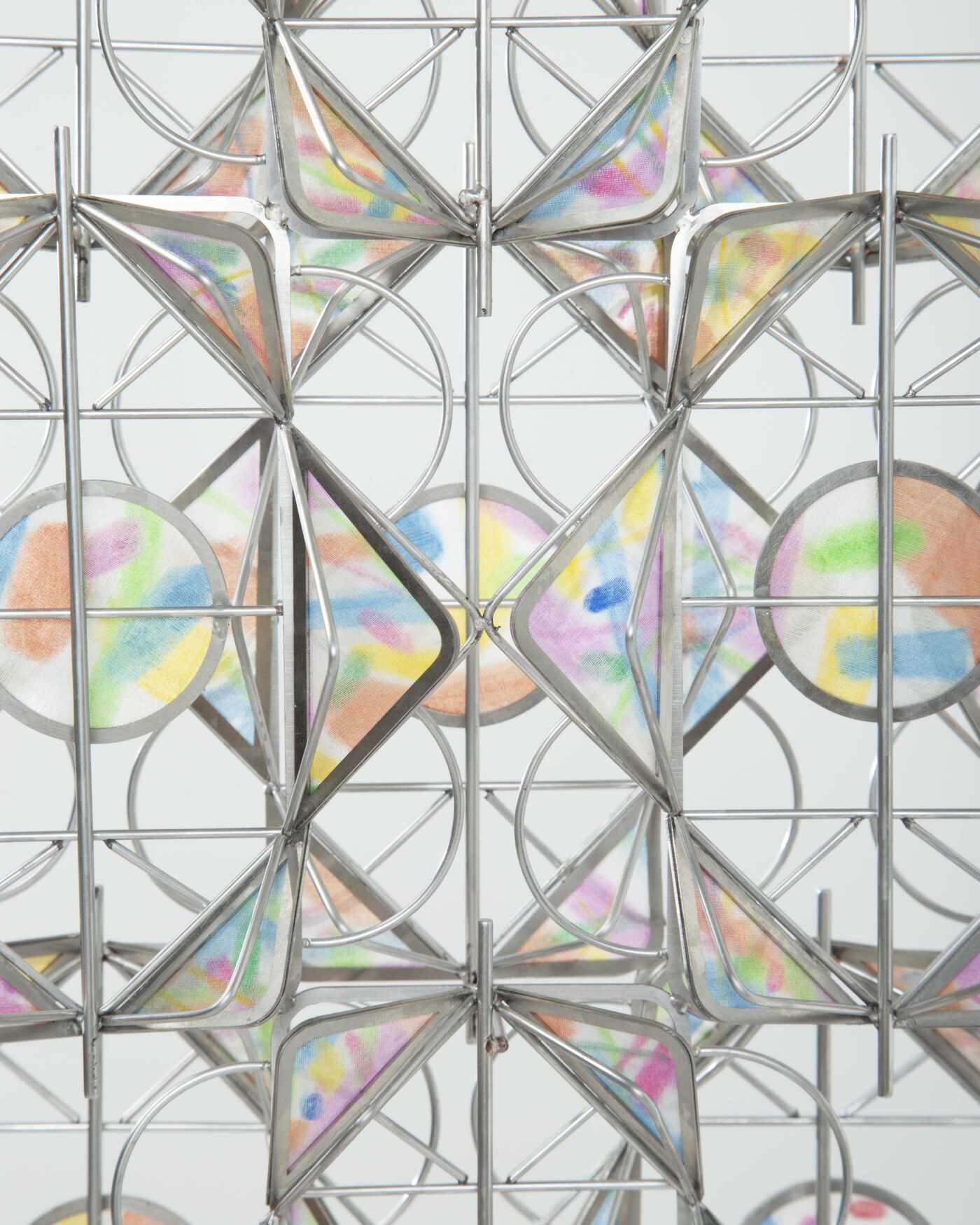
XL: My work consistently reflects my personal experience, particularly through the objects that shaped my early years. My use of Xiuyan jade goes back to the first piece of jewellery I owned, a jade bracelet made from this material, which continues to inform my focus on stone carving. This extends to projects such as my work on traditional Chinese kite-making. Kite flying was part of my childhood and later became a way of engaging with a craft that is gradually disappearing. I travelled to learn the technique locally and worked with makers to adapt it into a wearable context in response to the decline of the local kite-making industry. These references keep returning because they are closely tied to how I understand making and to the origins of my relationship with material.
About One for the Future (OFTF)
One for the Future celebrates the next generation of jewelry and creative industry professionals. Each year, the program recognizes honorees for their innovation, craftsmanship, and/or unique perspectives and connects them with mentorship, exposure, and opportunities to engage with collectors and industry leaders worldwide.
Enjoyed this piece? Explore more jewelry content from Future Heirloom!