

Quiet Strength: One Rapelana of Xita on Jewelry, Identity, and the Art of Self-Discovery
We sat down with One Rapelana, a 2025 OFTF Honoree and award-winning multidisciplinary designer from Botswana, to explore her journey and creative vision. Since beginning her practice in 2015, she has transformed discarded materials into bold, experimental jewellery and accessories. What started as a passion project grew into Xita, officially registered as a full-time company in 2018. Today, Rapelana works with leather remnants and reclaimed brass, crafting pieces that are both minimal and striking, each reflecting a personal narrative of growth, identity, and self-discovery. Rooted in sustainability, craftsmanship, and intuition, her work elevates overlooked materials into wearable art that encourages reflection, celebrates individuality, and challenges conventional notions of adornment.
Introducing Xita: The Journey Begins
NYCJW: Can you introduce us to Xita and the story behind your work?
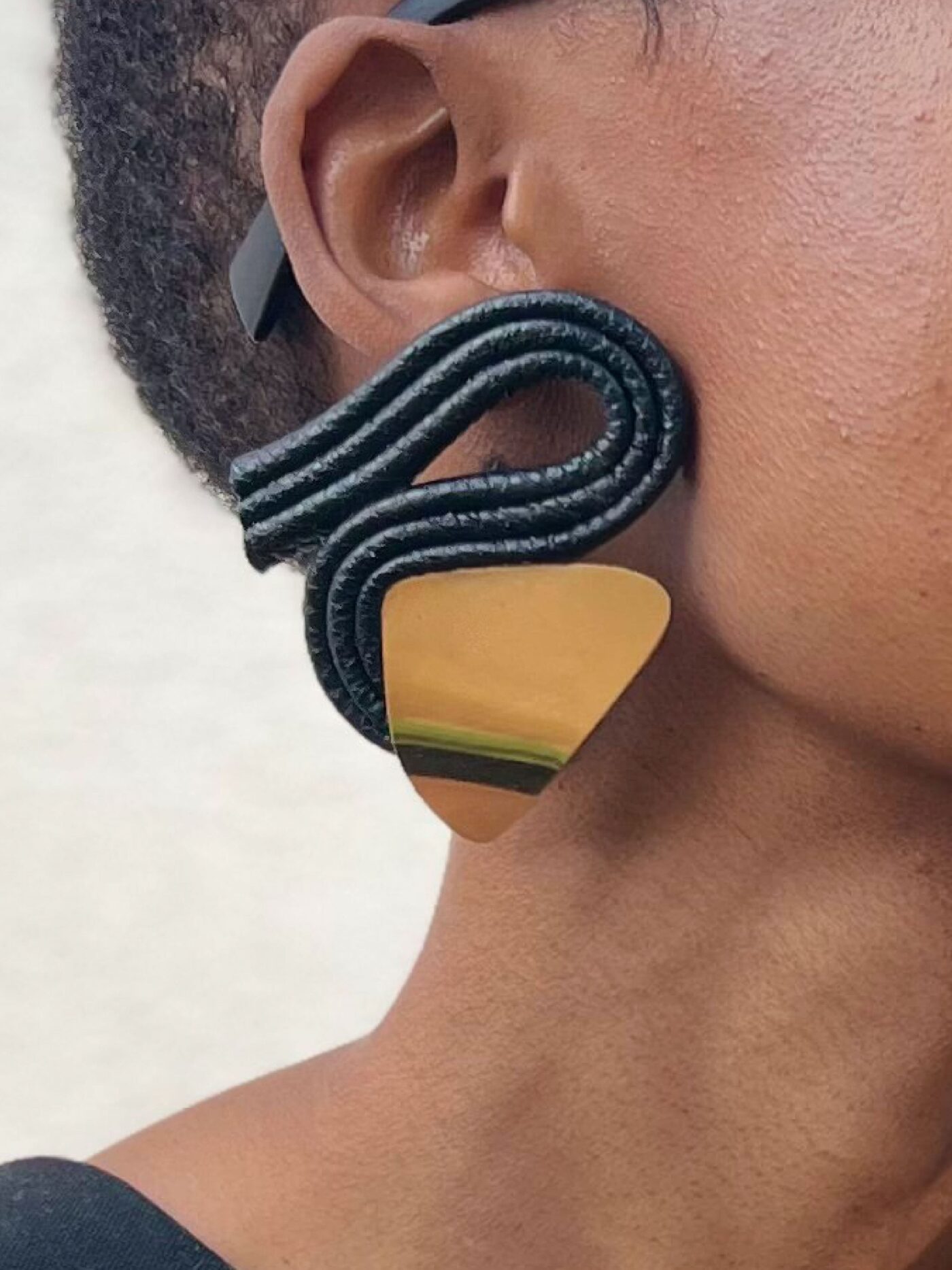
OR: Xita is a contemporary jewelry and accessories brand rooted in self-discovery and thoughtful design. I create sculptural pieces using materials like brass and leather, exploring the space between art, craft, and identity. Each piece reflects a quiet strength, challenging traditional ideas of African adornment through minimal, expressive forms.
Materials & Inspirations: The Heart of the Work
NYCJW: Your work shows a thoughtful relationship with materials. Are there any projects or materials you’ve held back from exploring?
OR: One idea I’ve intentionally put on hold is working with wood as a secondary material. I’m deeply drawn to its warmth, history, and tactile quality, but I don’t yet feel ready to engage with it in the way it deserves. Working with wood requires a different rhythm, deeper technical understanding, and a sensitivity to its natural behavior that I’m still developing. I see it as a material I want to approach with respect and patience, when I’m ready to fully explore its possibilities, not rush it. For now, I’m allowing my practice to evolve naturally through materials like brass and leather, knowing that when the time is right, wood will become part of the conversation.
NYCJW: Inspiration can come from unexpected sources. What non-traditional influences are shaping your work right now?
OR: Lately, I’ve been deeply drawn to classic bossa nova, its rhythm, subtlety, and effortless elegance. There’s something about the way it balances softness with sophistication, intimacy with movement, that resonates with how I want my work to feel. I imagine this influence entering my pieces through form and material: subtle curves, gentle weight, and a quiet sense of rhythm in how a piece sits on the body or moves. It’s less about literal reference and more about capturing that feeling of ease, warmth, and understated confidence in the jewelry I create.
Expanding the Medium: Beyond Jewelry
NYCJW: If your approach to form and material could translate into a different medium, how would it manifest?
OR: If my work were to exist in another medium, it would be furniture and sculptural objects. Translating those shapes into chairs or large-scale wall pieces feels like a natural extension of that language. Furniture allows the body to interact with form in a slower, more grounded way, while sculpture gives space for the pieces to exist purely as expressions of material, balance, and intention. Both would allow me to explore scale, permanence, and physical dialogue, turning what is worn into something that can be inhabited, rested on, or lived with.
Challenging Expectations: Breaking the Mold
NYCJW: You challenge traditional ideas in African jewelry. Are there beliefs or conventions in your field that you disagree with?
OR: One belief I quietly challenge is the idea that African jewelry must look a certain way bold colors, heavy ornamentation, and instantly recognizable “ethnic” motifs. While those aesthetics are important, they don’t define the full spectrum of African creativity. My work questions the notion that African design has to be visually loud or rooted only in traditional symbolism. I believe it can also be minimal, tactile, and quietly expressive, informed by heritage, but not confined to it. Inspiration can come just as easily from everyday objects, materials, and lived experience as from cultural references. For me, authenticity lies in freedom of expression, not in meeting expectations of what African design should look like.
Doubt & Evolution: Moments of Growth
NYCJW: Evolution often brings doubt. Can you describe a recent moment of creative uncertainty, and how you navigated it?
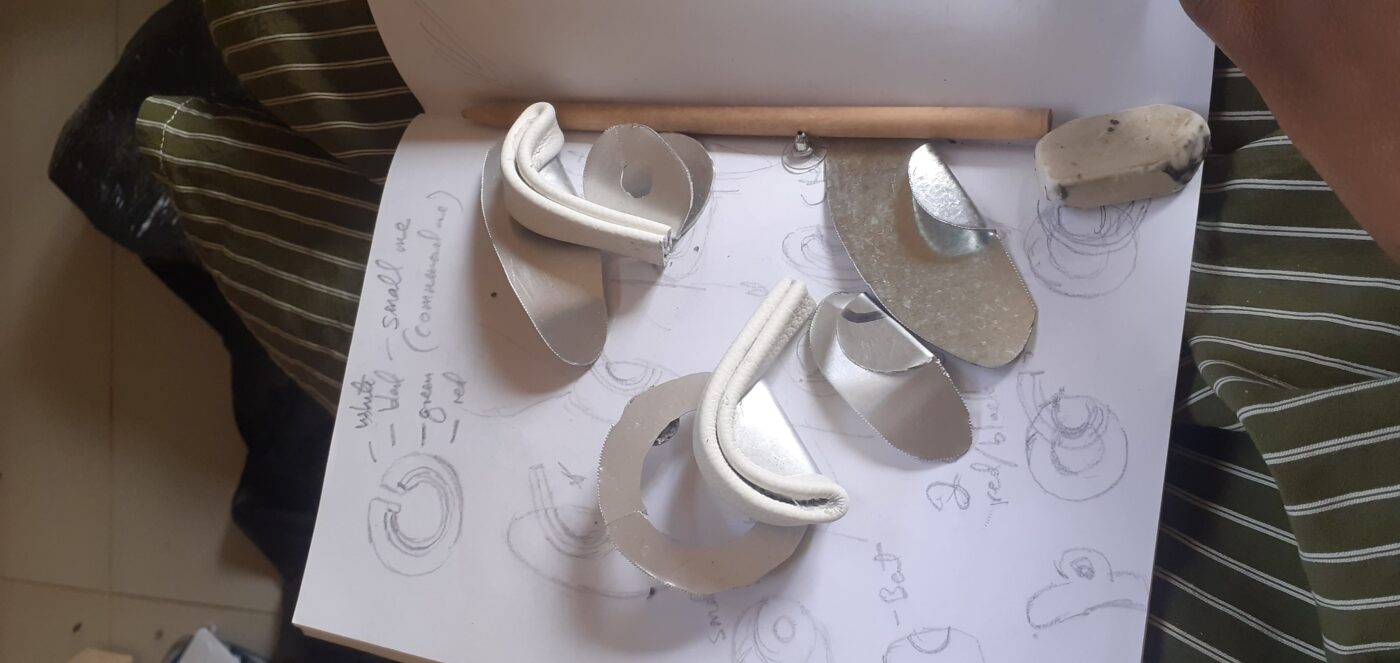
OR: The last moment of real creative doubt came when my aesthetic began to shift. I started my practice creating bold, statement pieces, work that was loud, expressive, and very visibly “there.” Over time, though, my instinct began moving toward something quieter: subtler forms but still bold, restraint, and a more refined use of materials like brass and leather. I questioned whether this evolution would be understood or accepted, especially because my earlier work had been associated with a more overt, “Afro-futuristic” visual language that people often expect from African jewelry. Moving away from that felt risky. I worried that the subtlety might be mistaken for a loss of identity rather than an evolution of it. I moved through that doubt by trusting my intuition and allowing the work to mature naturally. I realized that boldness doesn’t always need to shout, it can exist in restraint, in material choice, in intention. Once I accepted that my practice could grow quietly, the work began to feel more honest and more aligned with who I am now.
Storytelling Through Design
NYCJW: If you could design a piece for a historical figure or fictional character, who would it be?
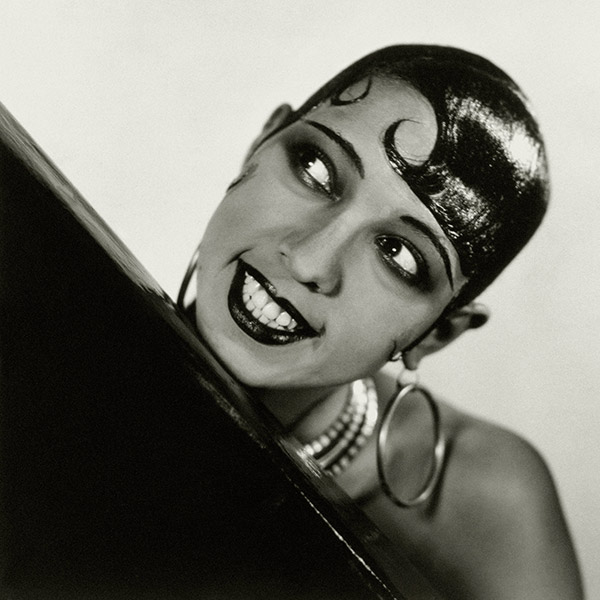
OR: I would create a piece for Josephine Baker, not the version of her that’s often reduced to spectacle, but the layered woman behind it: the artist, the activist, the strategist, the one constantly navigating visibility and power. The work would be a sculptural adornment ,somewhere between jewellery and object made from brass and leather, with subtle movement built into it. Something that speaks to duality: softness and strength, performance and privacy, beauty and resistance. It wouldn’t be loud or decorative for its own sake. Instead, it would hold quiet symbolism ,surfaces worn by touch, forms that feel lived-in, reflecting how she carried both glamour and resilience in equal measure. I imagine it as something worn close to the body, almost like armour disguised as elegance. A piece that honours complexity rather than spectacle, much like her life itself.
Engaging the Wearer: Experience & Emotion
NYCJW: When someone wears or interacts with your work, what feeling or experience do you hope it evokes?
OR: I want someone engaging with my work to feel a sense of presence and intentionality, that each piece was made with care, thought, and purpose. I hope it gives them permission to slow down, reflect, and connect with themselves through what they wear. My jewelry and accessories are meant to be more than adornment; they’re prompts for self-discovery. I hope they inspire people to trust their own instincts, embrace subtlety as strength, and explore their own identity without feeling the need to perform or conform. Ultimately, I want the work to feel like a companion, bold enough to be noticed, but gentle enough to invite personal resonance.
NYCJW: Is there a question you wish people asked more often about your work?
OR: One question I wish more people would ask is: “What collaboration would you love to do, or who would you like to work with?” I would love to collaborate with a museum to explore the translation of my jewelry into larger sculptural pieces, as well as smaller wearable ones. I’m fascinated by how my forms, already sculptural and architectural at a small scale, could inhabit different spaces, from the body to the home or gallery, creating new dialogues between material, form, and experience.
Recurring Gestures: Signatures & Themes
NYCJW: Looking across your collections, are there recurring gestures, themes, or emotions that appear, even subtly?
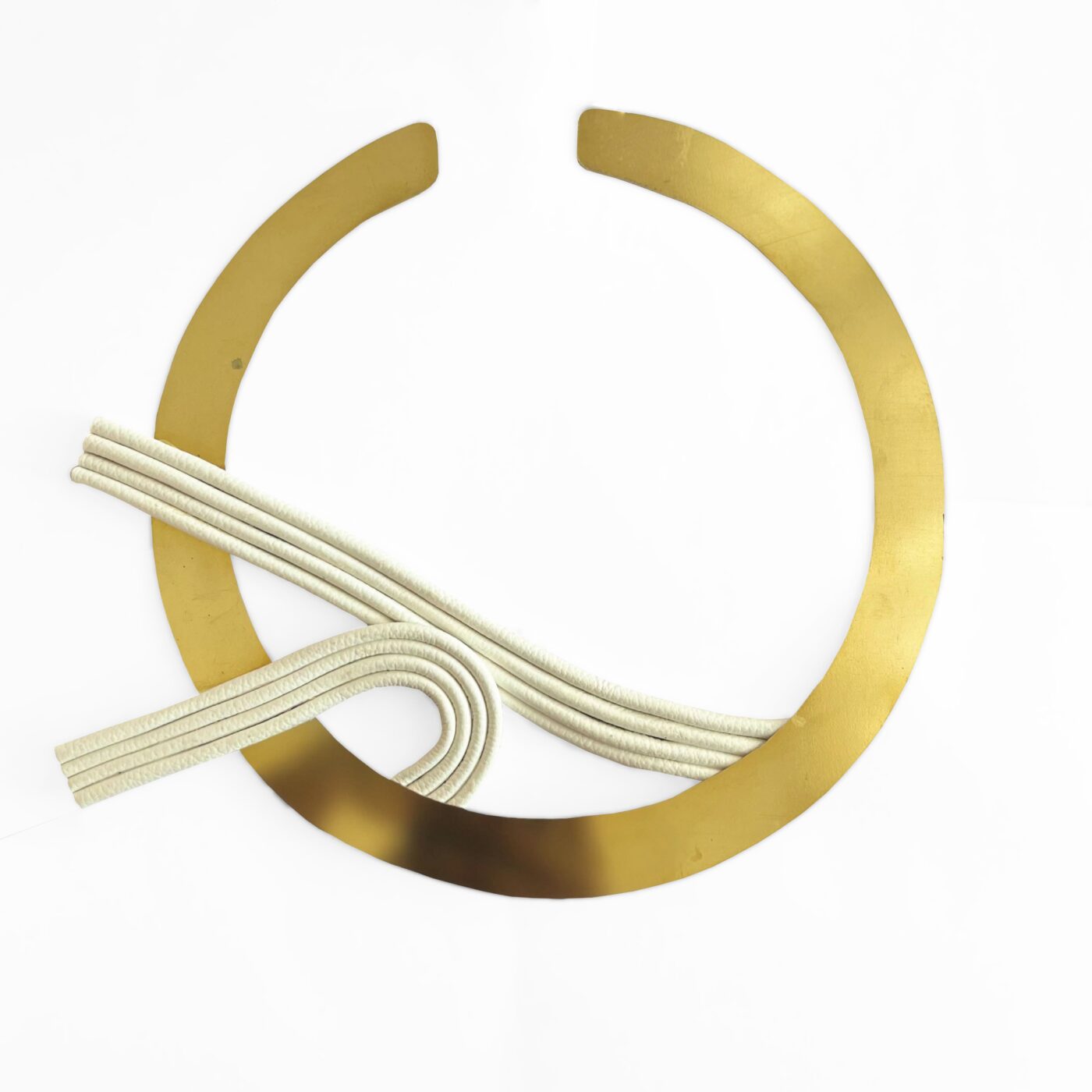
OR: A recurring element in my work is how I fold leather into ropes, usually in twos or threes, wrapping around a focal material like brass or another piece of leather. It’s almost subconscious, I don’t have a conscious reason for it, and that’s why it keeps appearing. It’s just part of my style, a gesture I naturally gravitate toward, and over time it has become a quiet signature. Alongside this, a broader theme in my work is the journey of self-discovery. Collections like Echoes of Transcendence explore self-evolution, Returning Home reflects coming back to yourself, and Seed of Growth is about growing into the woman you were meant to be.
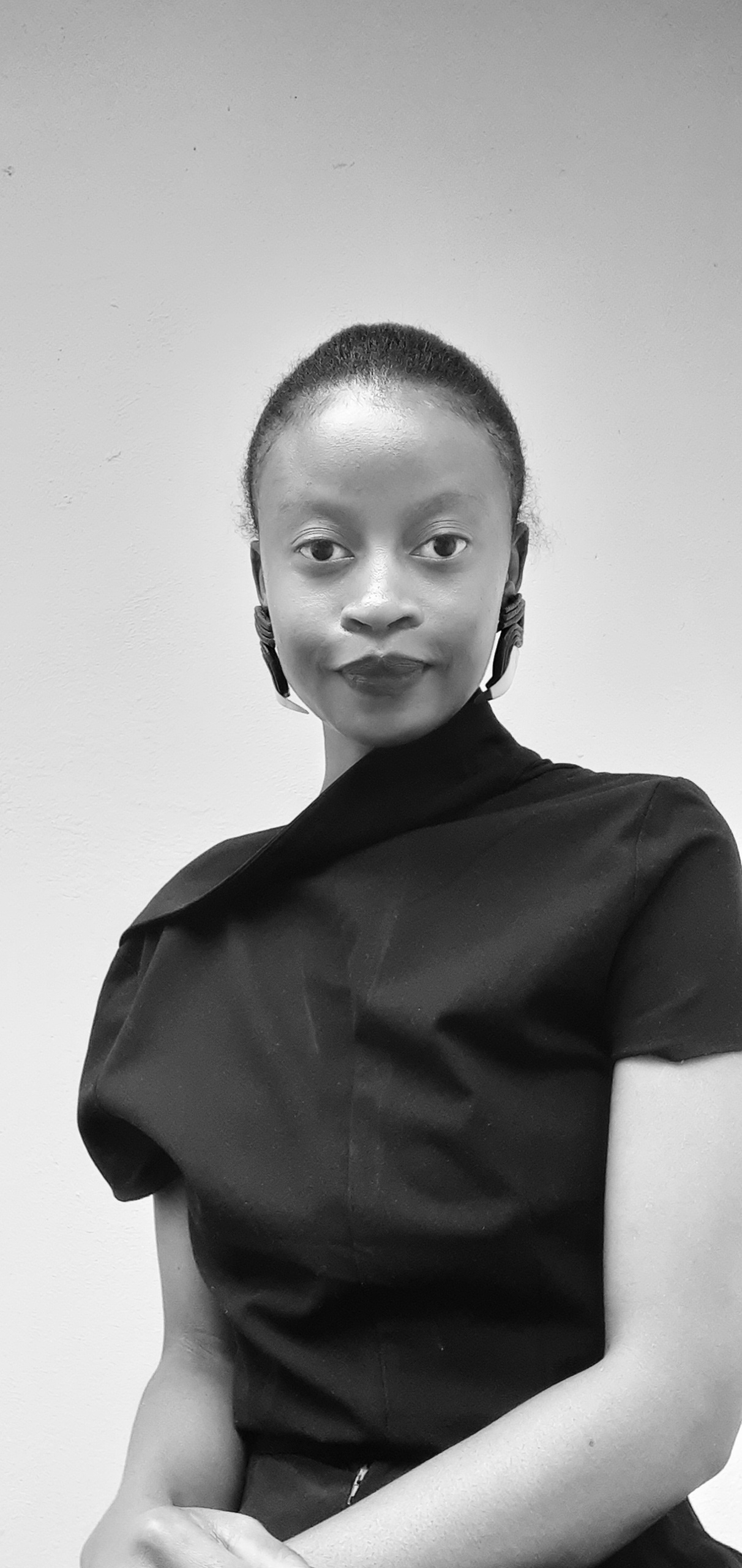
In addition to her work with Xita, One Rapelana recently participated in a virtual panel during NYCJW25, hosted by the Jewellery and Gem Association of Africa (JGAA). The discussion, part of the “It’s All In Our Hands” jewelry competition, brought together African designers to share their experiences at GEM Genève, one of the world’s leading industry exhibitions. Rapelana and her fellow panelists highlighted how JGAA’s support has helped showcase African talent on an international stage, discussing both the opportunities and challenges faced by artisans. The conversation underscored Africa’s growing influence in the global jewelry industry and the transformative power of global exposure, offering insight into how designers like Rapelana are shaping a new narrative of creativity, sustainability, and cultural expression.
About One for the Future (OFTF)
One for the Future celebrates visionary designers shaping the next generation of jewelry and creative industries. Each year, honorees are recognized for their innovation, craftsmanship, and unique perspectives, gaining opportunities for mentorship, exposure, and connection with collectors and industry leaders worldwide.
Enjoyed this piece? Explore more jewelry content from Future Heirloom!