

Wearable Archives: Memory and the Politics of Storytelling
Working between Hong Kong and the United States, Ho Oi Ying Valerie approaches jewelry not simply as adornment, but as a living, breathing archive. Her wearable forms hold stories of migration, resilience, and political memory in intimate ways. She trained as both a jeweler and educator and earned an MFA in Jewelry and Metalsmithing from the Rhode Island School of Design. The social and political conditions of Hong Kong, particularly after the 2019 protests, deeply shape her practice. A 2026–2027 One for the Future Honoree, she continues to gain recognition for work which bridges personal narrative and collective history.
Jewelry as Story and Social Archive
NYCJW: Let’s begin! How would you describe your practice right now? What is at the core of your work, and how does it take shape through jewelry?
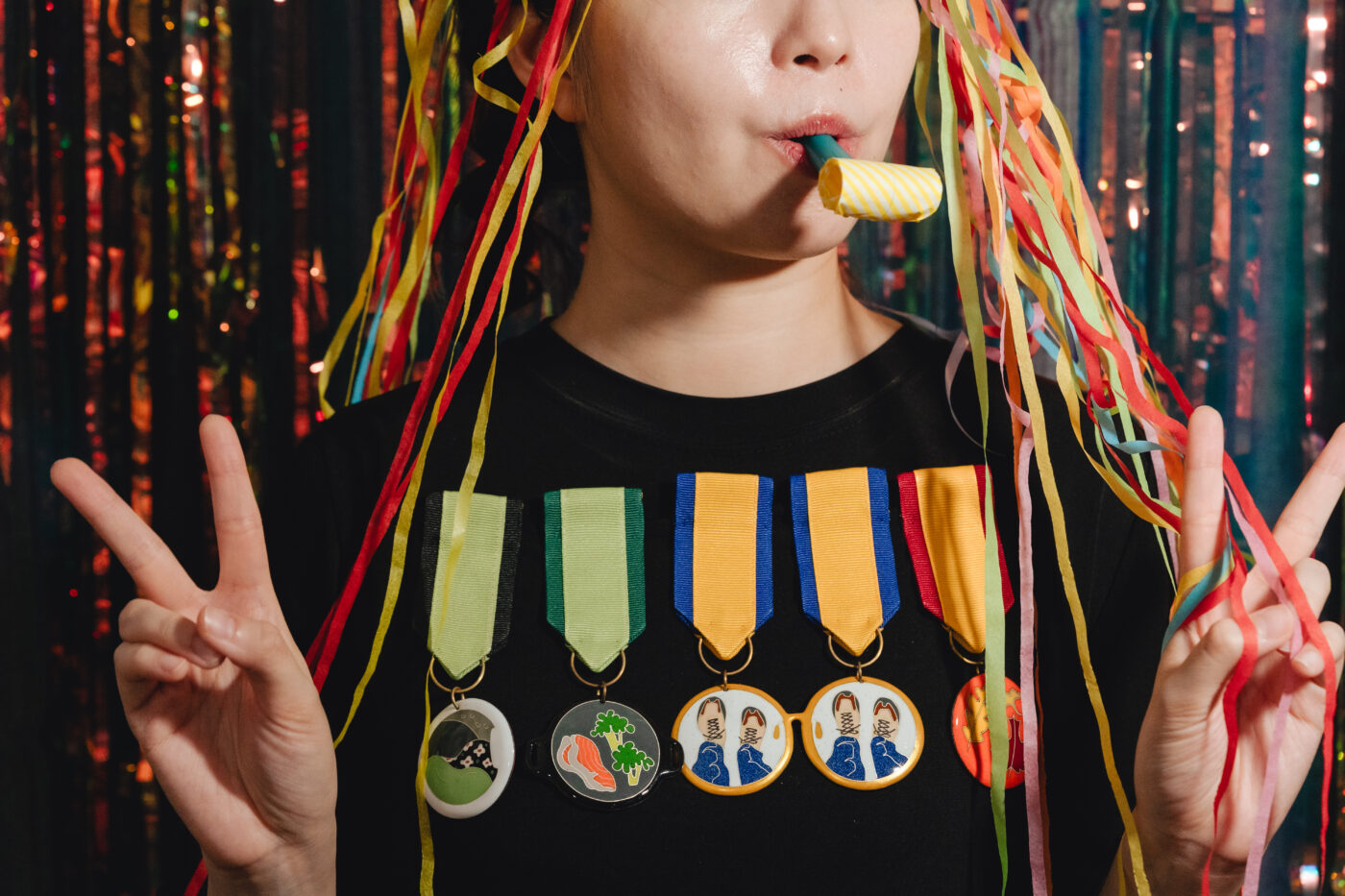
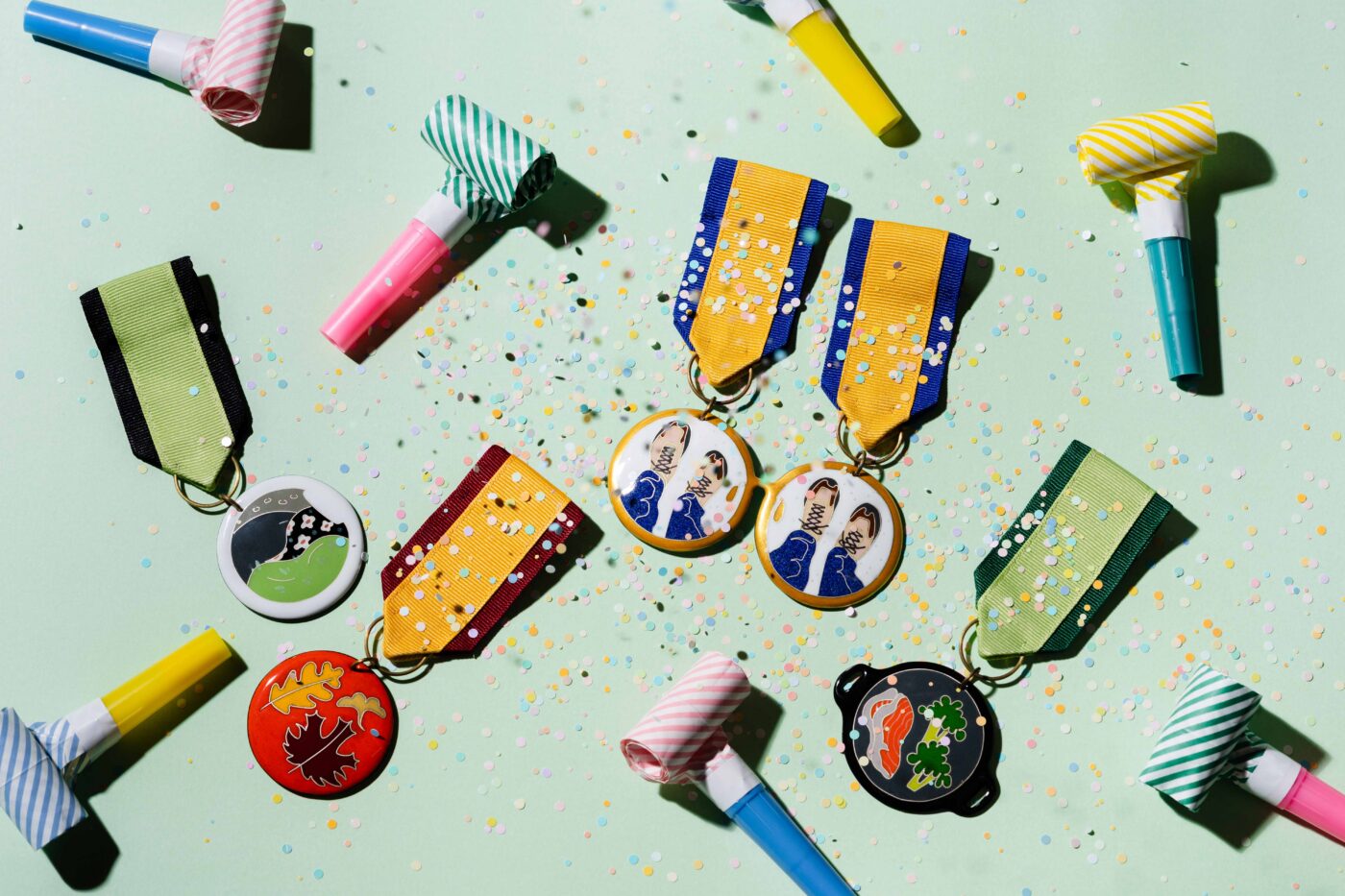
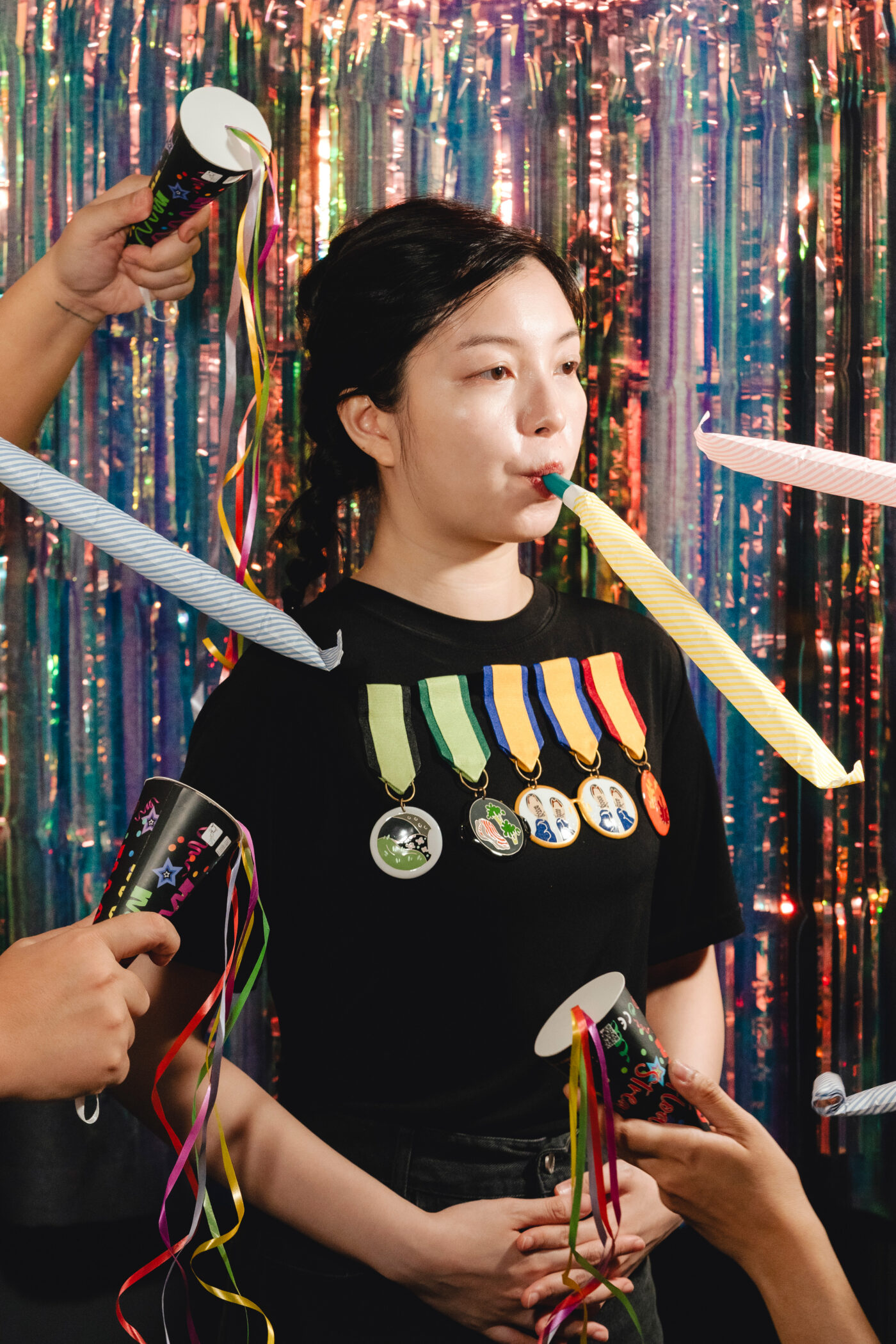
HOYV: My practice examines jewelry as a mode of storytelling and social archive, translating personal and collective histories into wearable forms. Through projects such as Everyday Triumphs and Achievement Unlocked, I employ cloisonné badges to articulate narratives of migration, identity, and resilience, reframing “achievement” through intimate, everyday experiences. Positioned at the intersection of craft and research, my work treats making as a method of documentation, where material and process become vehicles for preserving lived experience.
Expanding the Archive: Toward Scale, Collaboration, and New Media
NYCJW: Your projects already function as intimate archives of lived experience. Have you imagined expanding this work further?
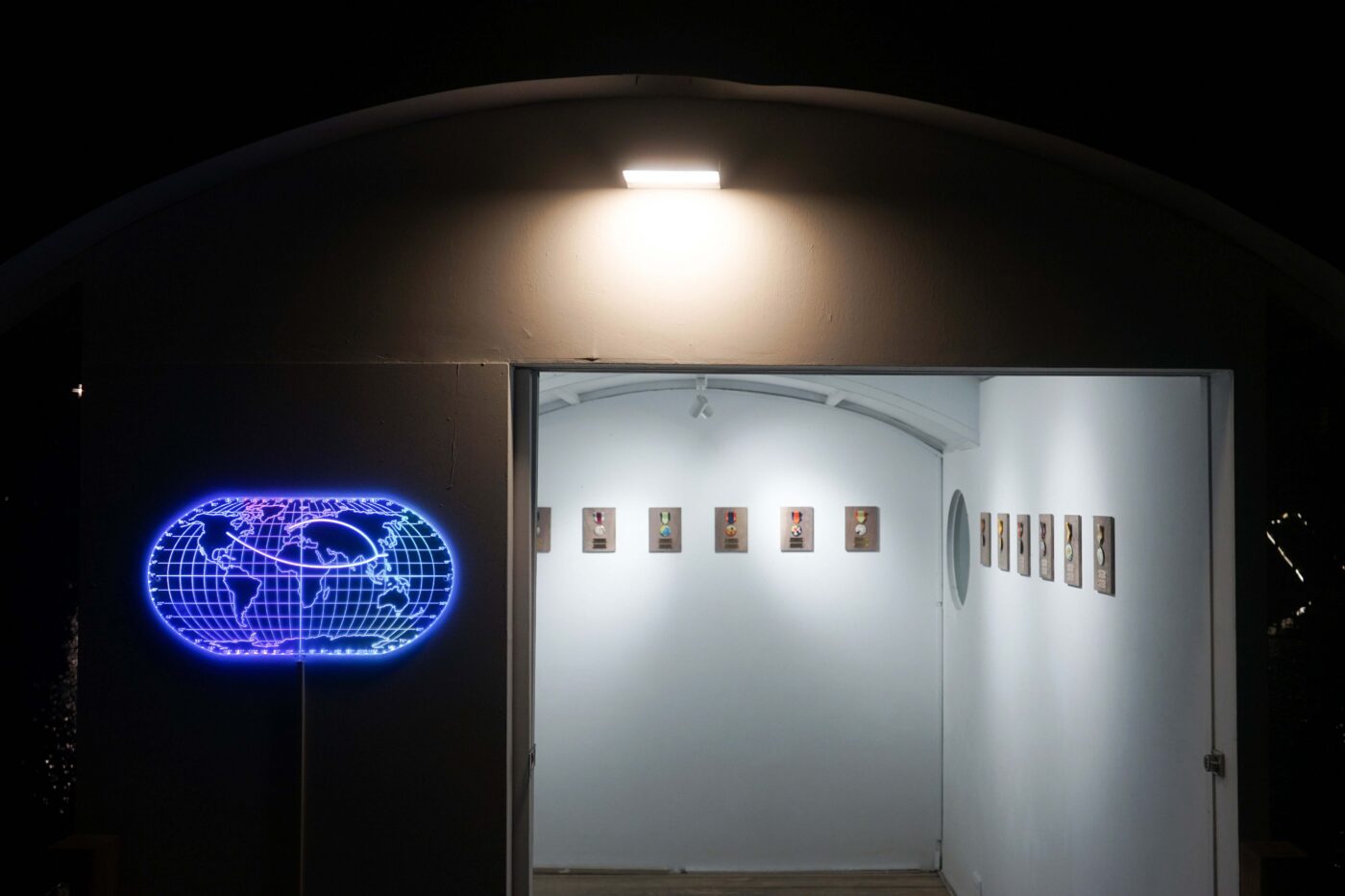
HOYV: One direction I have considered but not yet fully realized is the expansion of my cloisonné badge projects into a sustained, large-scale archive. In my current practice, I undertake multiple roles, including conducting interviews, translating narratives, fabricating the work, and overseeing promotion, exhibition, and publication, largely as a single-person operation. Through this process, I have come to recognize both the project’s potential and its limitations in scale.
I envision this work developing into a more expansive platform capable of holding a broader range of stories and participants. I feel prepared to move toward this larger-scale direction, while also recognizing the need to evolve my working model by establishing a more collaborative structure and engaging support across research, production, and organizational capacities.
At this stage, I understand my current work as both a foundation and a point of transition, positioning the project to grow into a more collective and sustainable framework.
From Wearable Archive to Moving Image
NYCJW: As you think about scaling that archival approach, are there other media that feel complementary to what jewelry can hold?
HOVY: If my work were to exist in a different medium, it would likely take the form of film or moving image. Much of my practice is rooted in oral history, with listening, translating, and interpreting personal narratives, and film offers a way to hold voice, gesture, and temporality in ways that static objects cannot fully capture.
While my cloisonné projects distill these stories into intimate, wearable forms, film would allow the narratives to unfold more expansively, preserving tone, rhythm, and presence. It would also create space for multiple voices to coexist, extending my interest in jewelry as an archive into a time-based and collective medium.
In this sense, I see film as a potential starting point for expanding the project further, particularly if the opportunity arises to explore these narratives through a time-based and collaborative format.
Reframing Jewelry Beyond Adornment
NYCJW: Your work pushes against traditional ideas of what jewelry is or should be. What assumptions or conventions within the field do you find yourself questioning most?
HOYV: One convention I often question is the tendency to position jewelry primarily as an object of adornment or luxury, rather than as a form of critical and narrative expression. While these associations remain deeply embedded within the field, my interest lies in how jewelry can function as a site for storytelling, documentation, and the preservation of lived experience.
In my practice, I engage with personal and collective histories, particularly those shaped by migration and everyday resilience, translating them into wearable forms. This approach challenges the notion that jewelry must prioritize aesthetic value or material preciousness in order to carry meaning.
Jewelry can serve as a powerful form of artistic expression, distinguished by its intimate relationship with the body. Worn rather than displayed, it enables individuals to embody and communicate what they value, functioning as a personal and mobile manifesto in public space.
I am also interested in expanding what is considered worthy of being recorded or remembered. Small, intimate, and often overlooked experiences can hold significant cultural and emotional weight, and I view jewelry as a powerful medium through which these narratives can be articulated, preserved, and shared.
On Responsibility, Interpretation, and Reworking History
NYCJW: When you’re working with personal and collective histories in this way, questions of interpretation and responsibility inevitably come up. Can you talk about a recent instance of doubt in your process? How did you work through it?
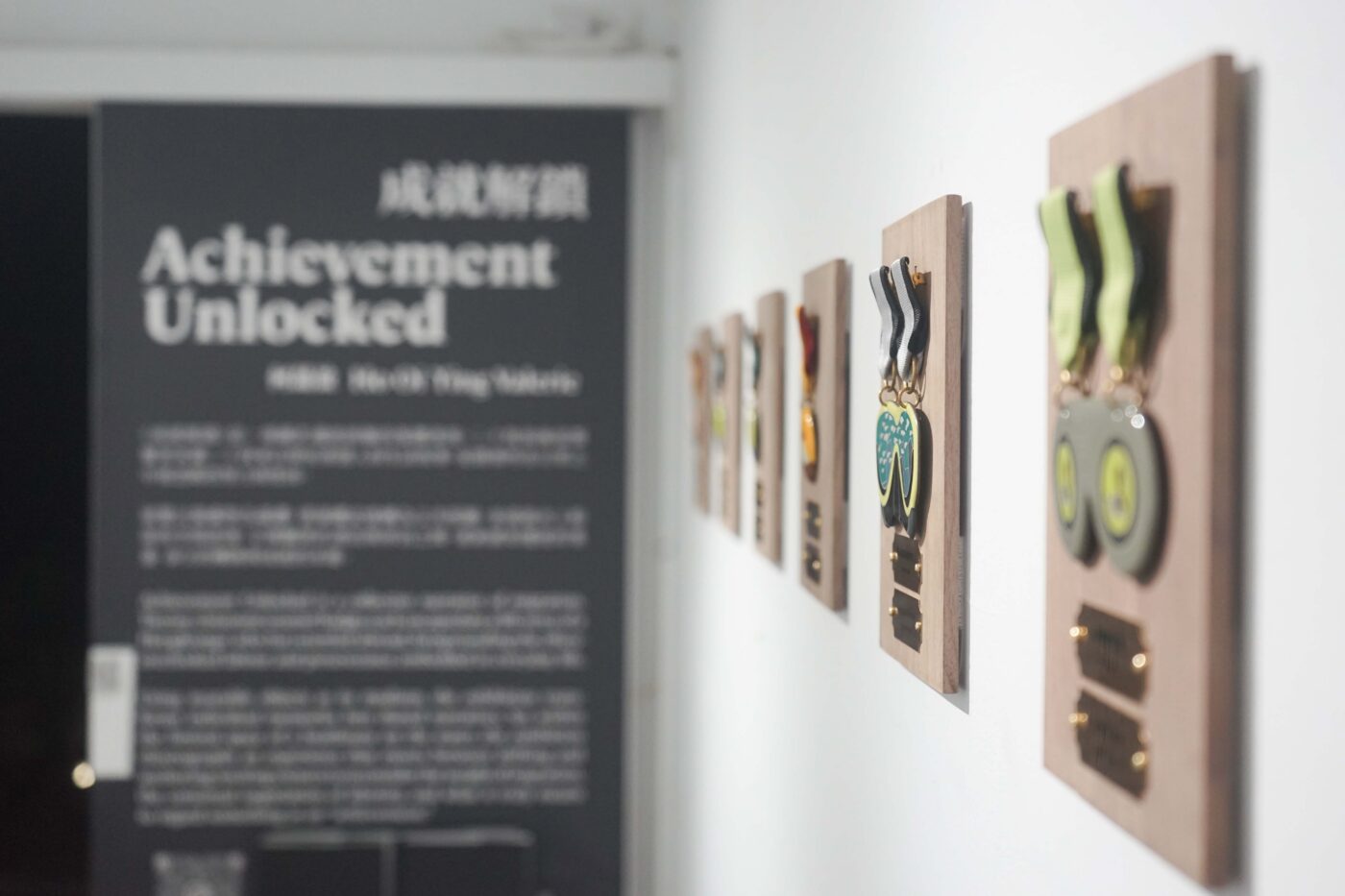
HOYV: A recent moment of creative doubt emerged while developing Achievement Unlocked in late 2025, particularly in the process of translating oral histories into cloisonné forms. I found myself questioning whether I was doing justice to the narratives I had collected, how much to interpret, what to simplify, and how to balance aesthetic decisions with the integrity of each story.
The doubt was less about making and more about responsibility. I was working with lived experiences shaped by migration and personal transition, and I became increasingly aware of the weight of representing others’ voices through my own lens.
I moved through this by returning to both the participants and the material. Revisiting interview notes, listening again to recordings, and allowing the cloisonné process, through wire placement, layering, and firing, to function as a form of careful translation helped me regain clarity. I also came to accept that interpretation is an inherent part of the work, and that my role is not to replicate a story, but to hold space for it through form.
That moment ultimately strengthened my approach, reinforcing the importance of attentiveness, ethical consideration, and trust in both the process and the relationships that shape the work.
Revisiting History Through Material Dialogue
NYCJW: That sense of responsibility also connects to history more broadly. If you could communicate directly with a historical figure through your work, who would it be?
HOYV: If I were to create a work for a historical figure, I would consider President Mao of China, informed by my research into political badges held in the archives of the British Museum. I was particularly struck by the presence of cloisonné badges produced in Hong Kong during that period, which revealed a complex relationship between craft, politics, and manufacturing history.
This discovery led me to question what it would mean to create such an object now, from my own contemporary position. Rather than functioning as a symbol of allegiance, the work would explore the shifting meanings embedded in these forms, how an object once used for mass political expression might be reinterpreted through a reflective and critical lens. It would also examine the emotional and historical tension of remaking such an object today.
In this way, the work becomes less about the figure itself and more about the act of revisiting history through material practice, considering what it means to reproduce, reinterpret, and carry these forms in the present.
Ephemera as Living Archive
NYCJW: Alongside these past references, you also draw inspiration from more ephemeral, everyday materials. What kinds of sources are currently shaping your thinking, and how are they entering your work?
HOYV: I have been increasingly drawn to printed ephemera, such as newsletters, pamphlets, personal letters, and other forms of low-cost, widely circulated materials, as a source of inspiration. These objects are often produced for immediate use rather than long-term preservation, yet they carry significant cultural, social, and political histories.
What interests me is their dual nature: they are both fragile and durable, easily overlooked yet deeply informative. Many of these materials exist at the margins of official archives, holding voices and narratives that are not always formally recognized.
I see this influence entering my work through both content and form. Conceptually, they inform my approach to storytelling and archival practice, particularly in how narratives are collected, translated, and shared. Materially, I am interested in how their visual language, like layout, repetition, and modes of circulation, might be reinterpreted through cloisonné and wearable formats.
By engaging with these sources, I aim to further position jewelry not only as an object of adornment but as a medium capable of carrying and preserving distributed, everyday histories.
Recognition and Intimate Listening
NYCJW: You are focusing on everyday experiences and overlooked narratives. How do you hope people feel when they encounter or wear your work?
HOYV: I hope that when someone engages with my work, they experience a sense of recognition, of seeing their own lives, or fragments of it, reflected back to them. Much of my practice centers on everyday experiences that are often overlooked, and I want to create space for these moments to be acknowledged as meaningful and worthy of attention.
I also hope the work offers a sense of closeness and quiet intimacy. Because jewelry exists on the body, it invites a different kind of relationship, one that is personal, reflective, and sustained over time.
More importantly, I hope it gives permission: permission to value small achievements, to hold onto personal histories, and to recognize one’s own experiences. No matter how ordinary they may seem, they carry significance. In this way, the work becomes not only something to look at, but something to live with and through.
Whose Story Is This?
NYCJW: What do you wish audiences would ask more often about your process or the stories embedded in each piece?
HOYV: One question I wish more people would ask is: Whose story is this, and how was it translated into form?
Much of my work begins with conversations, interviews, and the process of listening. The final object is only one layer of a larger process that involves interpreting lived experiences, navigating what to reveal or withhold, and considering how a story can be carried through material and form.
By asking this question, it shifts the focus from the object alone to the relationships, decisions, and responsibilities embedded in the work. It opens up a deeper understanding of jewelry not just as something to look at or wear, but as a medium that holds and mediates between different voices, experiences, and histories.
Quiet Resilience and Migration Narratives
NYCJW: Finally, can you share what ideas keep resurfacing across your practice? Why do those ideas remain central to your work?
HOYV: A recurring theme in my work is the quiet resilience embedded in everyday life, particularly within experiences shaped by migration, adaptation, and personal transition. I am consistently drawn to small, often overlooked moments that reflect how individuals navigate change and reconstruct a sense of belonging in new environments.
This theme continues to surface because I see myself as part of this broader community, individuals from Hong Kong who have relocated to other places in response to recent political shifts. These shared experiences of displacement and adjustment have deeply informed both my perspective and my approach to storytelling.
I am also interested in understanding migration not only as the movement of people, but as a relational process, one that involves how individuals are received, understood, and integrated within new communities. This perspective informs how I approach narrative, paying attention to both personal experiences and the broader social contexts in which they unfold.
Through my work, I return to these narratives as a way of acknowledging and preserving them. The repetition is intentional; it allows me to continually refine how these lived experiences are translated into material form, while creating space for these subtle yet significant aspects of life to be recognized and valued.
About One for the Future (OFTF)
One for the Future celebrates the next generation of jewelry and creative industry professionals. Each year, the program recognizes honorees for their innovation, craftsmanship, and/or unique perspectives. It also provides them with opportunities for mentorship, exposure, and connections with collectors and industry leaders worldwide.
Enjoyed this piece? Explore more jewelry content from Future Heirloom!