

Between Body and Object: The Work of Zori Wang
Zori Wang doesn’t see jewelry as something that sits still—it’s meant to be worn, lived in, and felt. Born in Shanghai and trained at the Rhode Island School of Design (RISD), she began in sculpture and industrial design before working as a digital product designer in California’s tech and creative industries. In 2024, she relocated to Vancouver to launch her studio, ZORI Design, where she creates sculptural, surreal pieces that blur the line between art and everyday objects. As a 2026–2027 One for the Future honoree, Wang is part of a new generation of artists rethinking what adornment can mean and how it can become part of daily life. The following is a conversation with the artist about her practice, process, and perspective.
Origin Story
NYCJW: To start, can you describe the story behind your jewelry?
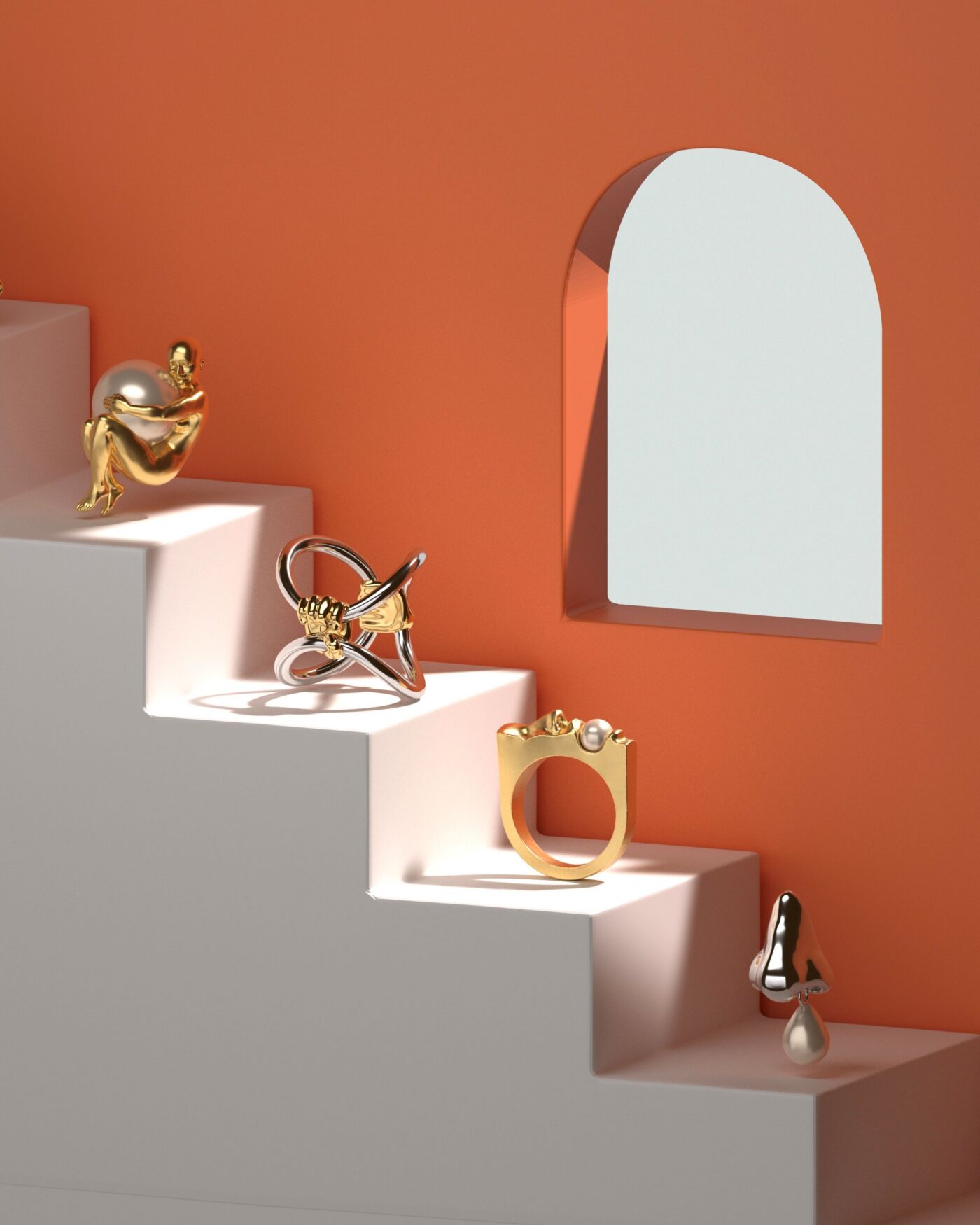
ZW: I grew up sculpting, studied industrial design, and worked in tech before eventually choosing jewelry as my medium. I’ve always been drawn to the idea that art should not only sit behind glass, but be worn, lived with, and intimately woven into daily life. Starting a jewelry brand is my way of turning that vision into reality. I use ZORI as a space where I create sculptural, surreal, and slightly absurd pieces for those who like things a bit different.
Between Object and Space
NYCJW: Building on that, is there a project, piece, or idea you’ve put on hold? What made you feel like it wasn’t the right time for it?
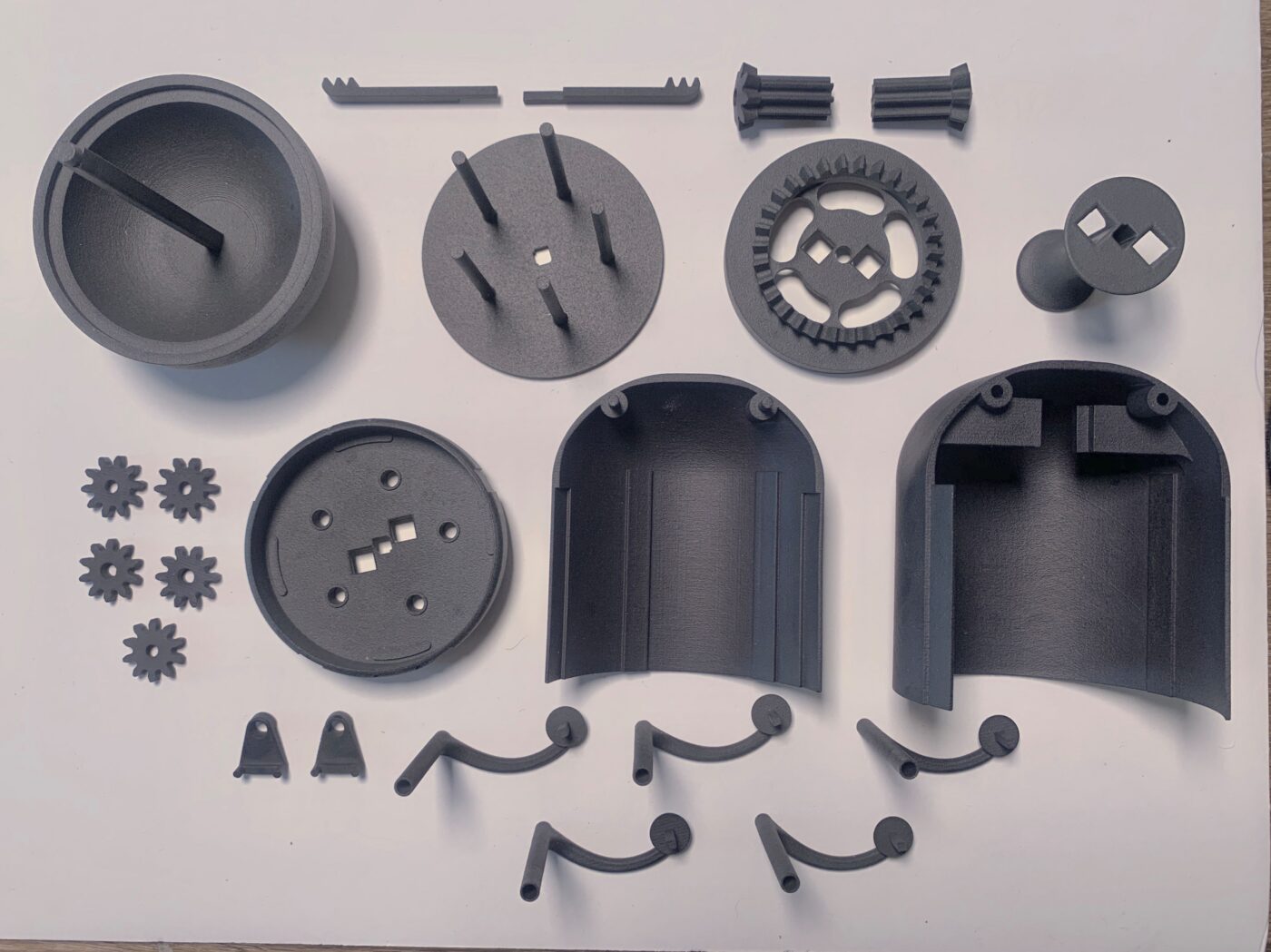
ZW: I’ve always been drawn to the space where art, design, and engineering overlap, so one idea I shelved is to create pieces that are interactive, mechanically or otherwise (and they can be any wearable/usable object, not just jewelry). I think that adds an entirely new dimension of possibilities and room for creativity. I haven’t pursued it yet because I know those pieces would require a very different level of investment in R&D. They involve longer market testing, more prototyping, and a more complex production line than where my practice is right now. At this stage, I’m choosing to build a strong foundation for my brand first, so that when I return to those ideas, I can realize them in the way they deserve.
NYCJW: Thinking about your work more broadly, if it could exist in another medium, what would it become?
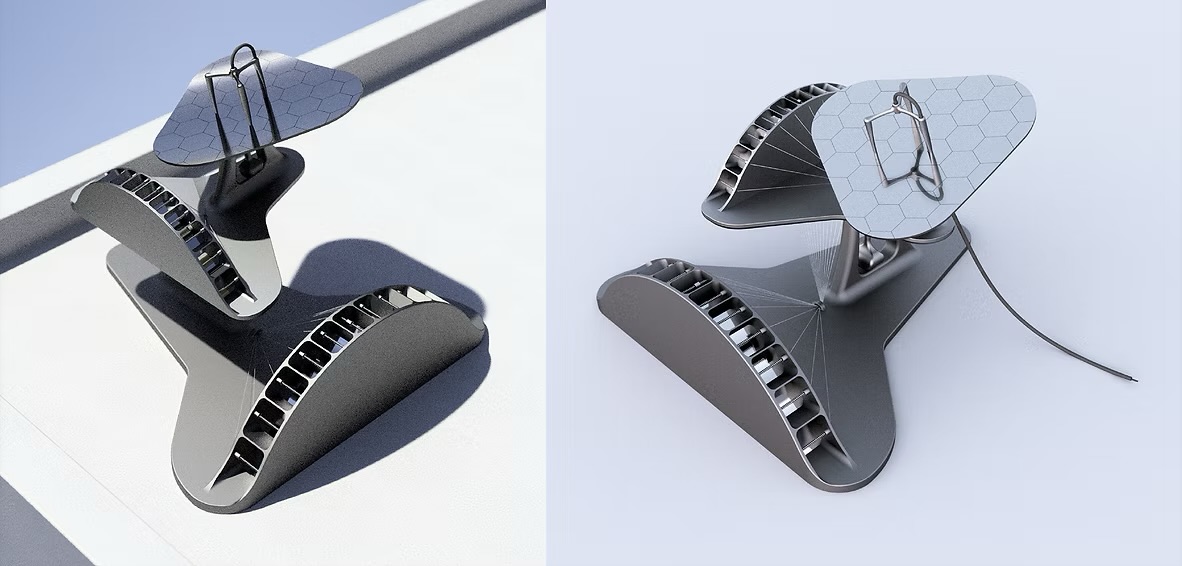
ZW: Architecture. At the core of my work is the idea that art can be felt more deeply when it is worn and lives in close relationship with the body. Architecture fascinates me because it creates that same relationship at the opposite scale. Instead of wearing the work, a person steps inside it. I’m interested in the idea that a piece could expand from something held against the skin into a surreal space that surrounds the body entirely, where the same emotional language of my jewelry becomes something the observer can physically move through.
Redefining Luxury
NYCJW: Given your perspective, what’s a belief or convention in your field that you find yourself questioning?
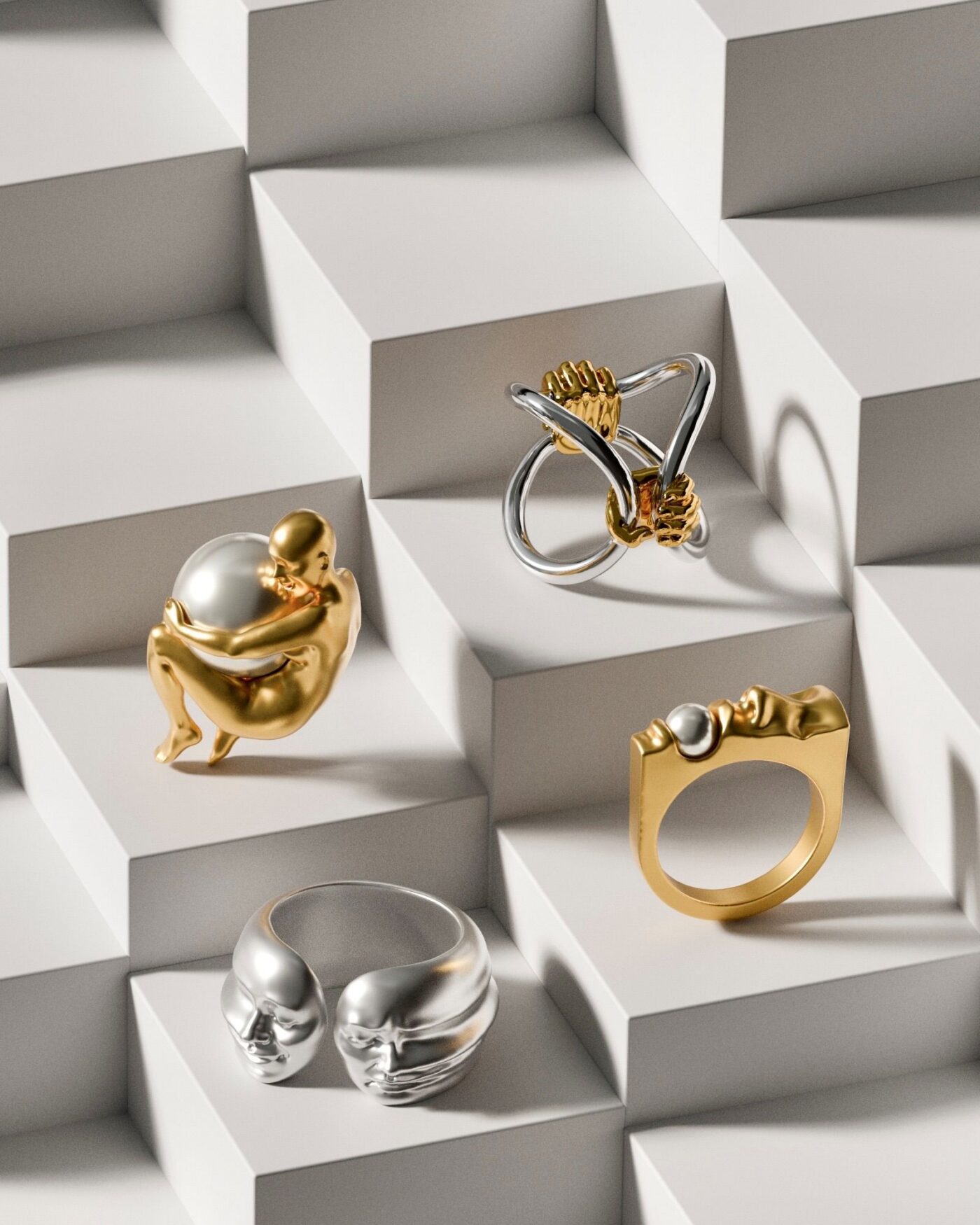
ZW: In fashion, the meaning of “luxury” has been reduced to price tag and social status. I loudly challenge this presumption. My vision is to reframe luxury as the marker for something internal, a reflection of the wearer’s curiosity, creativity, and emotional depth. Those qualities are just as valuable, if not more so, than material markers. And I am working to position my brand ZORI where this kind of luxury is accessible to those it resonates with.
Creative Doubt and Rebuilding the Practice
NYCJW: With that in mind, can you share a moment when you experienced real creative doubt?
ZW: For me, creative doubt is part of the process. I’m constantly questioning my ideas as I develop them, which makes creation both exciting and infuriating. The most significant moment of doubt came when I decided to start a jewelry brand. My training is in sculpture and industrial design, which operate on very different techniques and artistic languages from jewelry. This transition forced me to unlearn and rebuild my approach from the ground up. I had to learn the technical constraints of jewelry-making and develop my own visual language that could exist consistently at that scale.
Early on, this created a long period of uncertainty. I spent months sketching, prototyping, rejecting my own work, and starting again, without knowing whether the direction was even viable. What made it especially difficult was the lack of external feedback during the earliest stages of starting a brand. It was just me, and the different voices in my head looping in the same space. I moved through it gradually, through repetition and refinement, but also through unexpected encouragement from strangers who resonated with the work even in its early stages. That combination helped me trust that the direction was not only possible, but meaningful.
A Dialogue with Duchamp
NYCJW: If you could extend your work into a dialogue with someone else, who would you create a piece for?
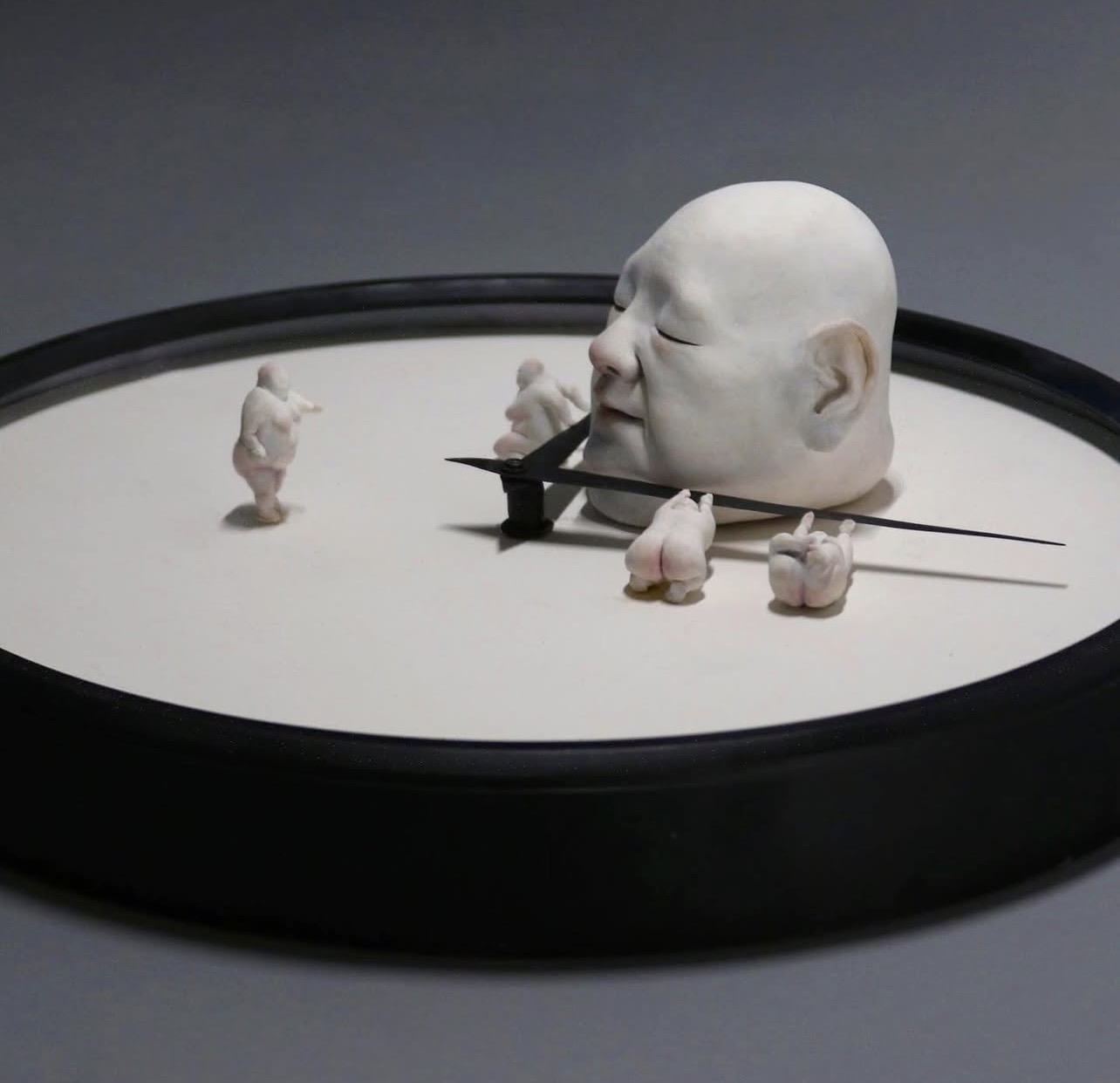
ZW: I would create a piece for Marcel Duchamp because he humorously challenged how value is assigned to objects. I imagine making something with precious materials that quietly destabilizes the idea of preciousness itself, a piece that feels luxurious while questioning what luxury really means.
Digital Rituals and Personal Meaning
NYCJW: Shifting to your current process, what’s a non-traditional material, object, or source of inspiration that draws you right now?
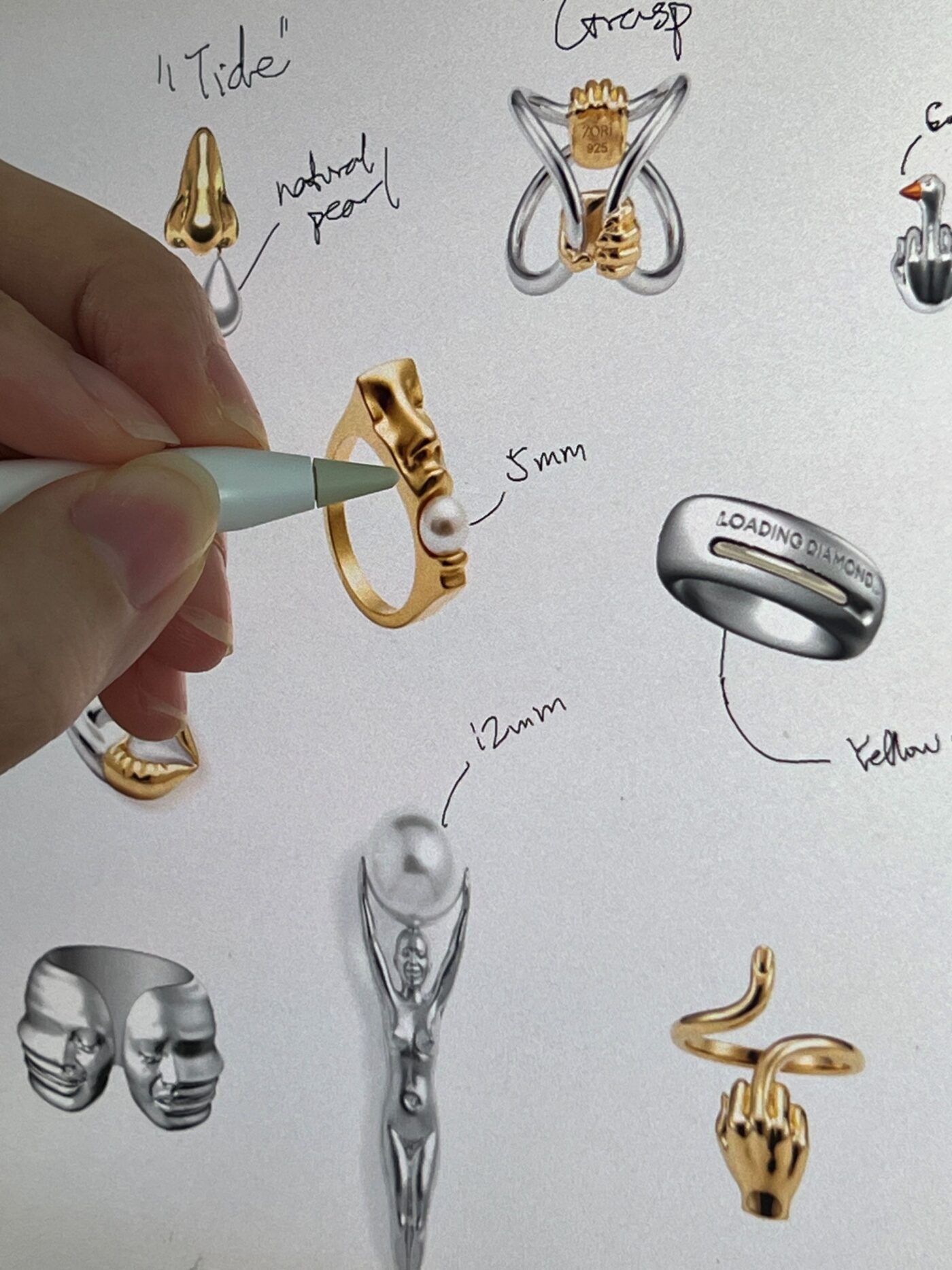
ZW: Because of my experience in UI/UX design, I’ve become fascinated by the way digital interfaces, buttons, loading icons, and haptic feedback subtly shape how we think and behave. These interactions have become such an instinctive part of daily life, yet they rarely appear in art as a material language. I’m drawn to the idea of creating small wearable objects that transform digital symbols into something tangible, intimate and human. A few ideas I’m currently developing include a ring in which the gemstone appears to be “loading,” earrings that are reset buttons you could press to “reset life” (metaphorically) whenever needed, etc.
NYCJW: When someone encounters your work, how do you hope it resonates with them?
ZW: The goal was never to ‘prescribe’ a specific feeling for everyone. It might evoke curiosity, resonance, reflection, shock, and even amusement. But whatever it is, I want them to feel something that’s uniquely theirs. And that is part of what draws me to jewelry as such an intimate medium—the same piece will be writing a different story for every wearer as time goes on. What I hope it gives people permission to do is trust their own emotional response, and to see adornment as something deeper than decoration.
From Idea to Object
NYCJW: Reflecting on your process, what’s one question you wish people would ask you more often about your work?
ZW: It’s that one. Okay, just kidding. I wish more people would ask how a piece moves from an idea into a finished object. People often imagine it as a straightforward process of sketching, modelling, prototyping, and making, but in reality, it is far less linear than that. Most pieces are built through constant revision. An idea is tested, questioned, abandoned, rebuilt, and sometimes completely transformed before I feel comfortable calling it a finished product. What looks like a single finished piece often carries dozens, sometimes hundreds, of unseen decisions behind it. I think that hidden process is one of the most honest parts of the work, because the final object is really just the visible trace of everything that almost became something else.
Humor as Quiet Resistance
NYCJW: Finally, looking across everything you’ve shared, is there a recurring theme, idea, or emotion that keeps surfacing in your work?
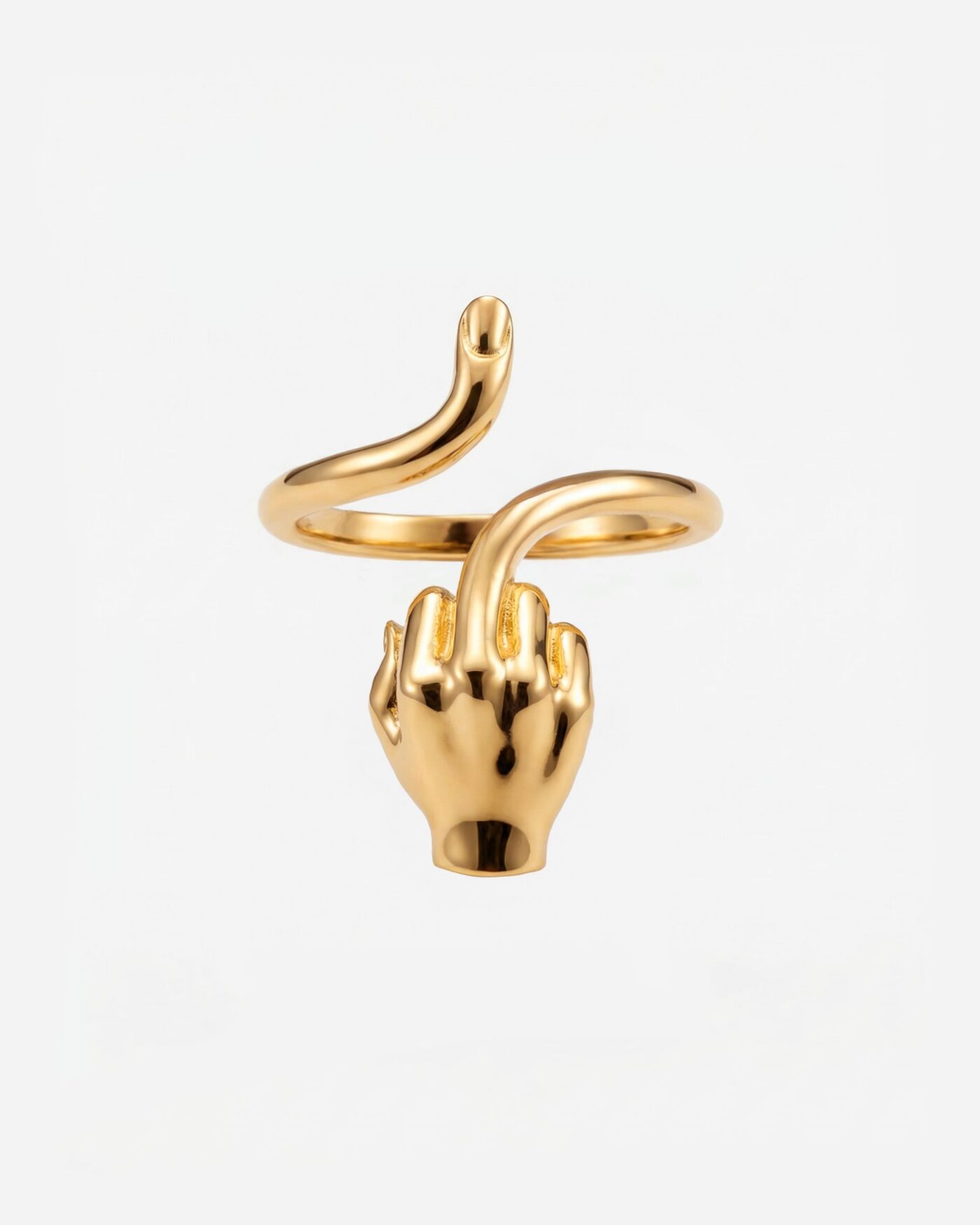
ZW: Humor and satire—especially with everything going on in the world right now, they’ve become a way I move through life. I find that surrealism, when combined with a bit of humor and satire, can sometimes reveal something more truthful than realism itself. A subtle shift into absurdity can make people pause and recognize something familiar from a different angle. In a way, I see humor as a form of idealism. The subtle absurdness in my work is not meant to dismiss the darker parts of the world, but to acknowledge them without surrendering to cynicism.
About One for the Future (OFTF)
One for the Future celebrates the next generation of jewelry and creative industry professionals. Each year, the program recognizes honorees for their innovation, craftsmanship, and/or unique perspectives and connects them with mentorship, exposure, and opportunities to engage with collectors and industry leaders worldwide.
Enjoyed this piece? Explore more jewelry content from Future Heirloom!