Jewelry as a Device for Becoming: Viola Pineider of ARC

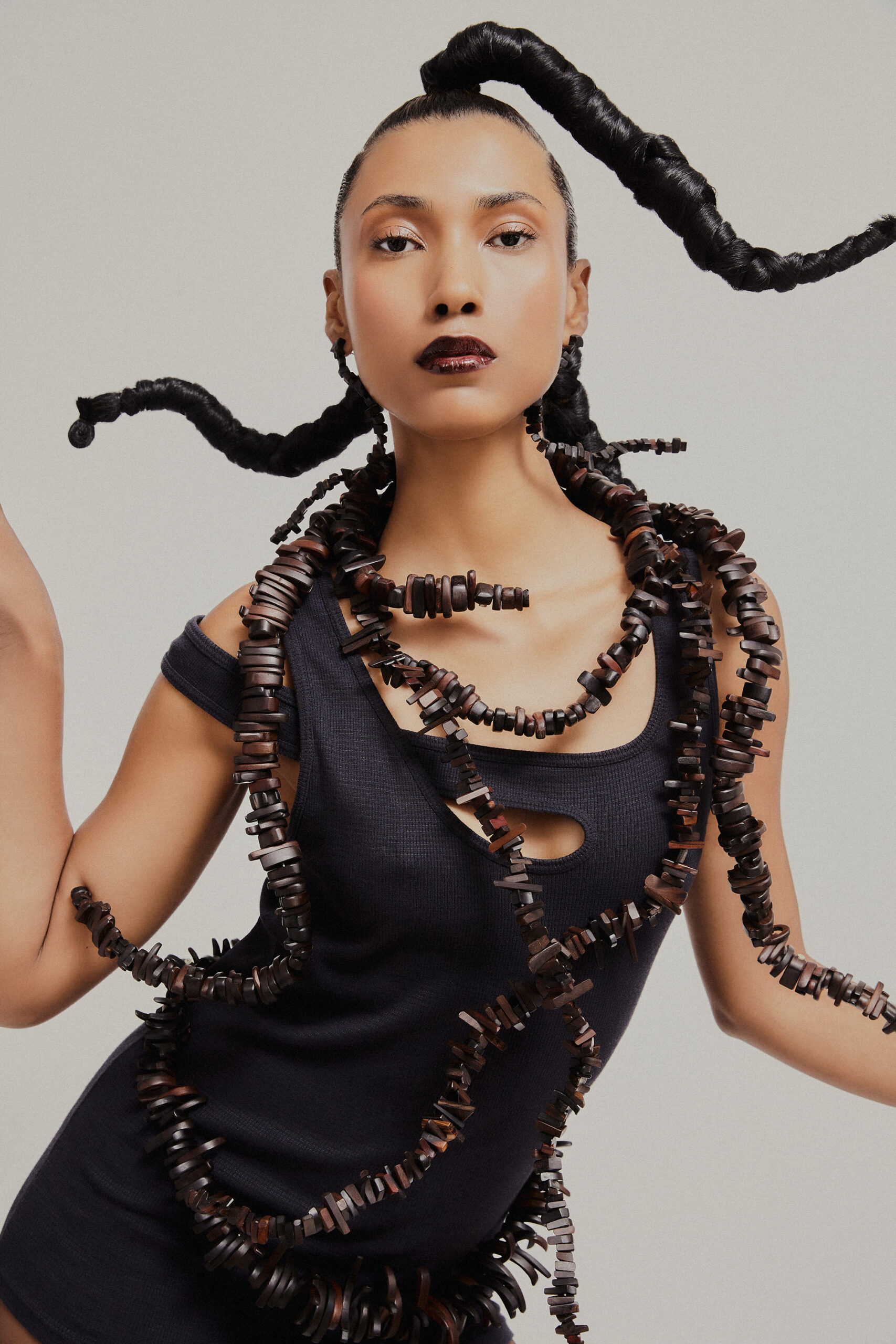
Jewelry, for Viola Pineider, is not just an ornament. It is a proposition—a way of thinking through the body, material, and space as sites of continuous transformation. Born and raised in Florence, she trained for over a decade in traditional Italian carpentry and wood restoration. This background gives her rare material intelligence, grounded in rigor, patience, and deep respect for craft.

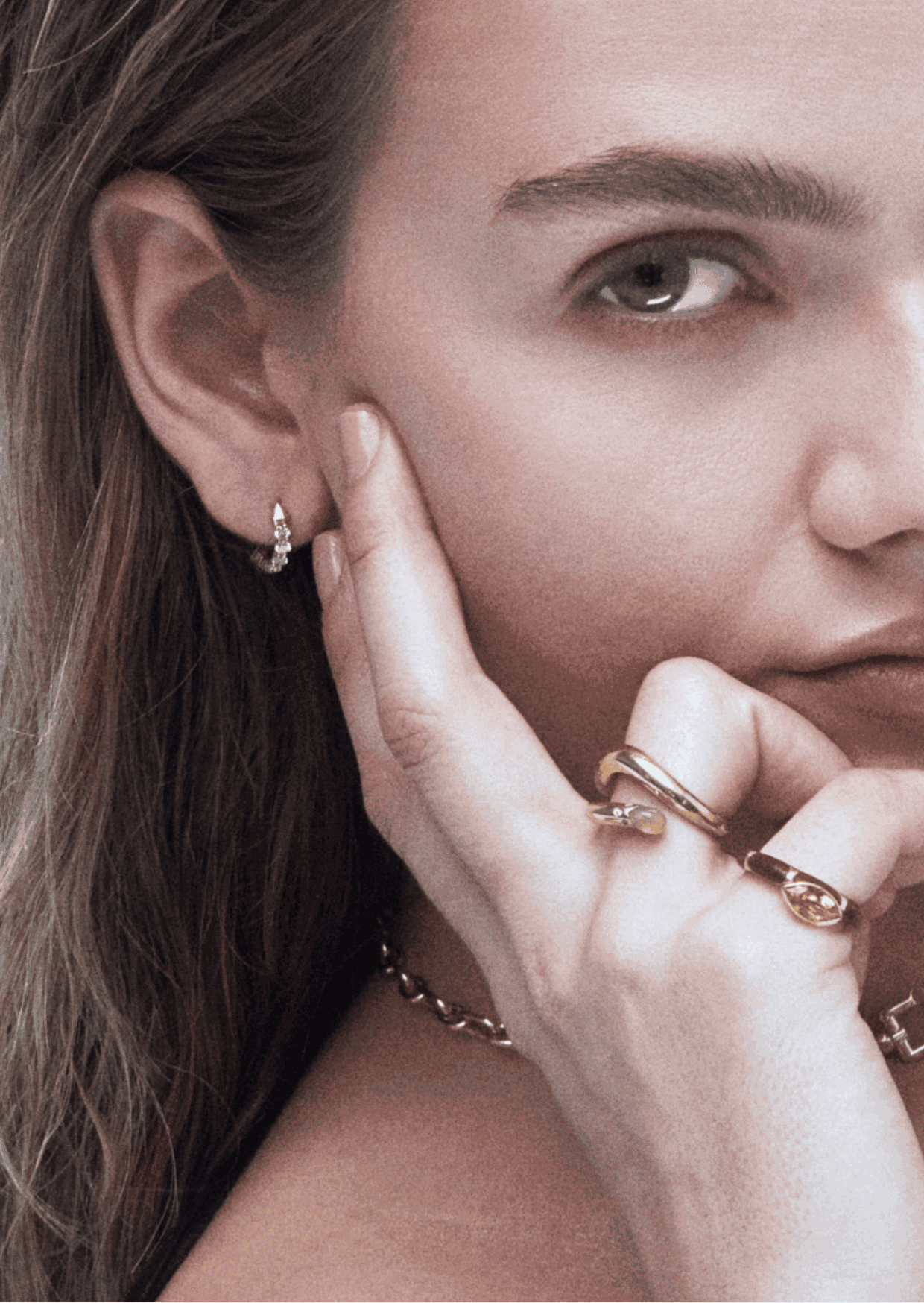
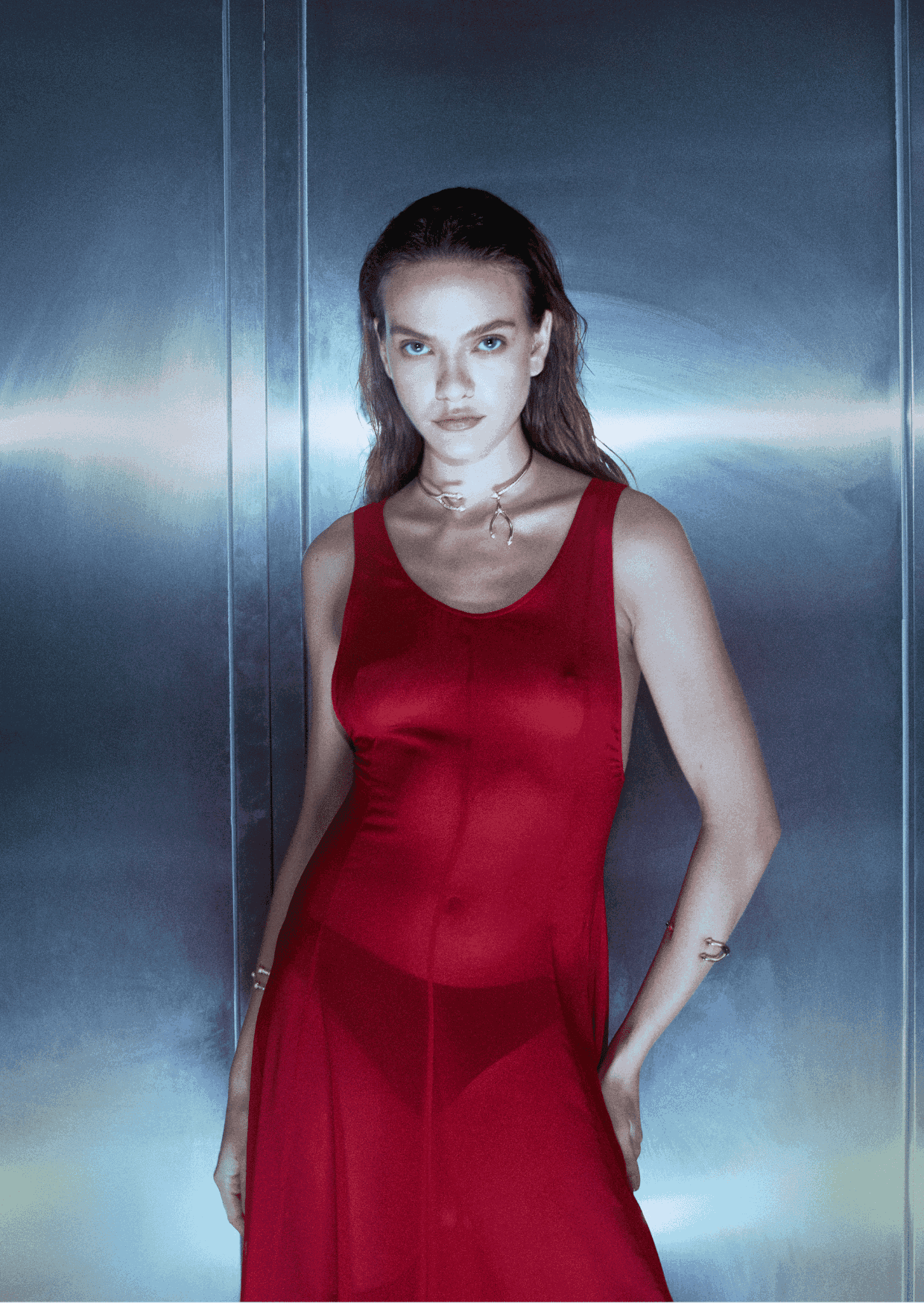
As the founder of ARC, she works at the threshold of jewelry and sculpture. She transforms reclaimed wood and silver into bold, architectural pieces that challenge conventional ideas of luxury and permanence. Now based in Rio de Janeiro, her work balances the disciplined lines of Italian design with the fluid, experimental energy of Brazilian culture. A 2025 OFTF Award Honoree, Pineider is part of a new generation redefining contemporary jewelry. We sat down with her to talk about transformation, slow making, material resistance, and jewelry as a device for becoming.
Defining Practice

NYCJW: How would you describe your practice and the world your work inhabits?

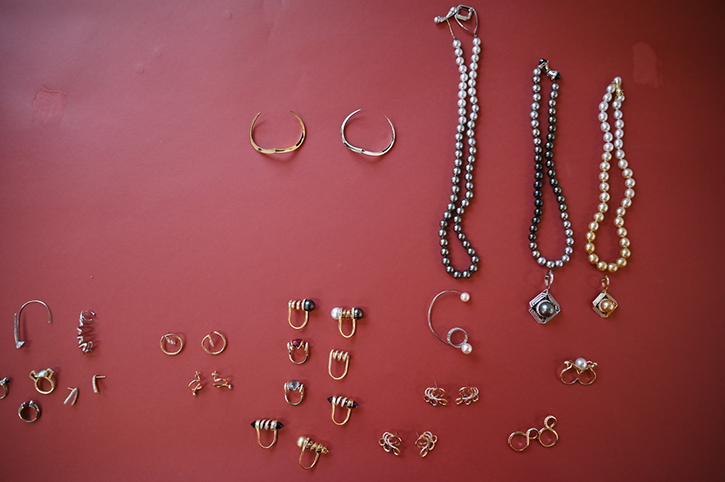
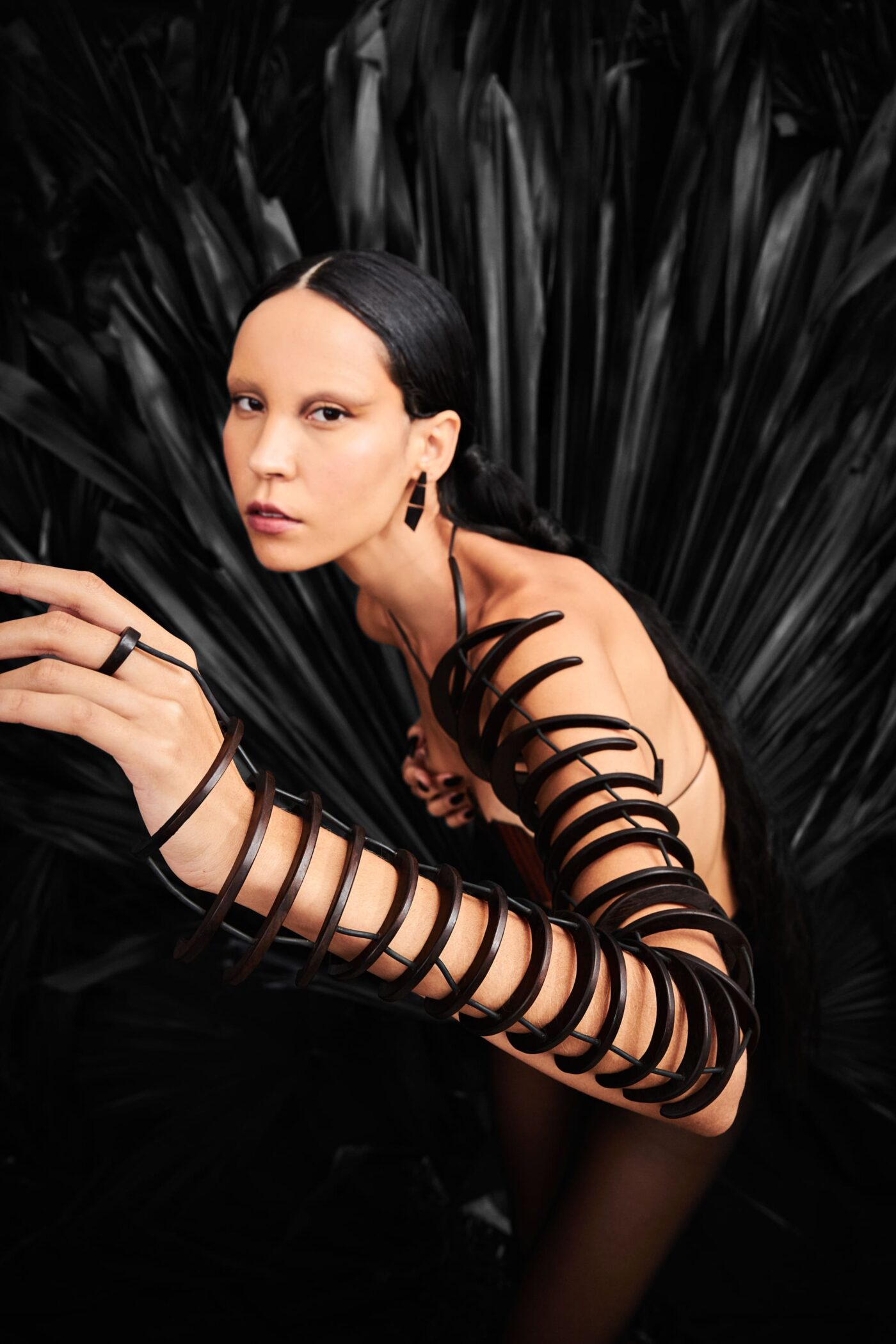
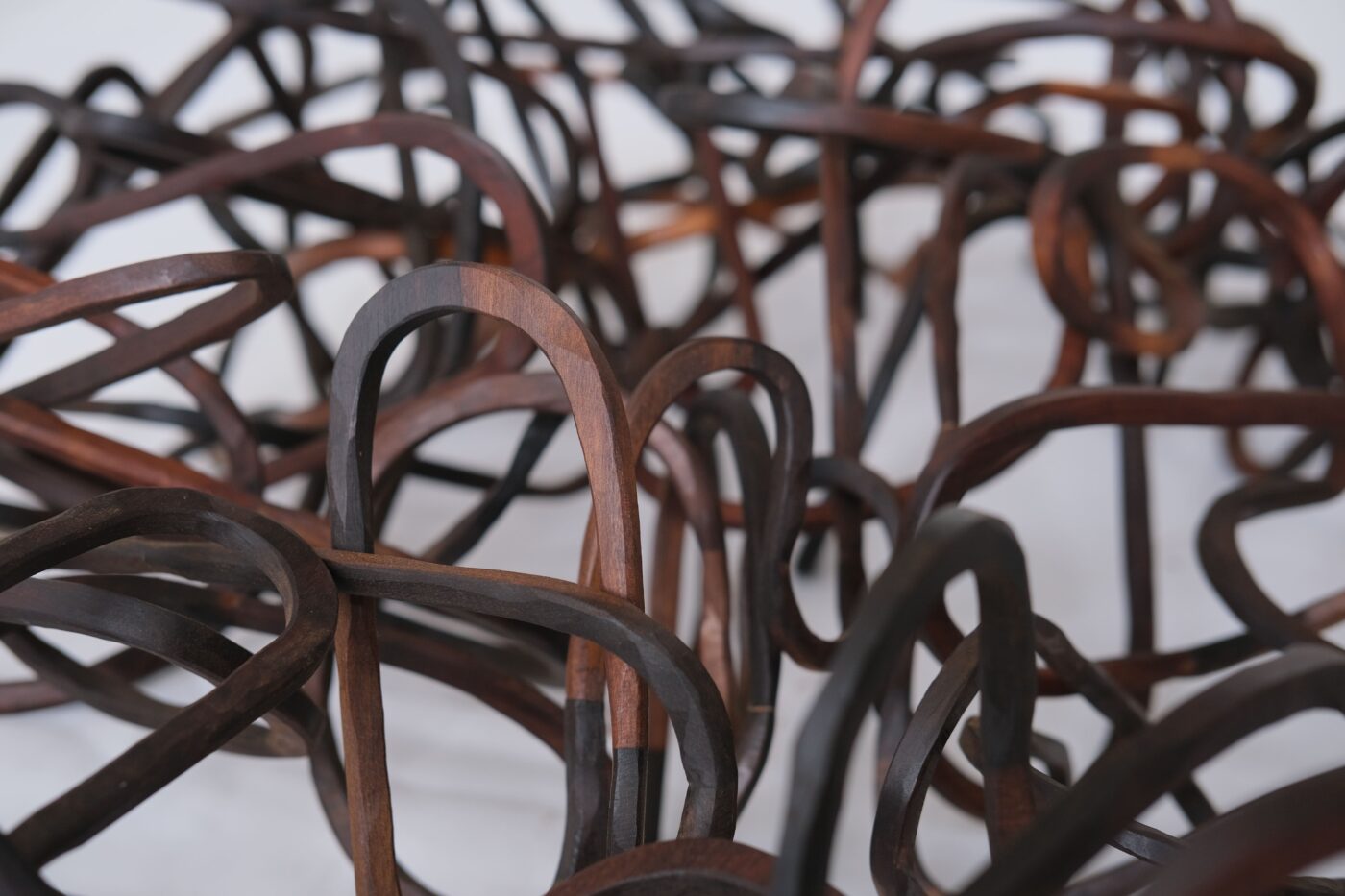
VP: My work moves between two complementary worlds: the body and space, where jewelry becomes sculpture and sculpture becomes jewelry. I have a long background in Italian carpentry, so my work is a synthesis of solid technical training and a visionary approach. I transform reclaimed wood into pieces that invite tactile journeys. Each creation balances dynamic shapes with impeccable finishes. For me, jewelry is a powerful escape from societal standardization. It is a way to reimagine the body as ever-changing and full of possibility.

Projects in Waiting

NYCJW: Are there projects or pieces you’ve put on hold? How do you know when the time is right for them to come to life?

VP: Actually I have kept several projects on hold. Sometimes due to lack of time, because they were large-scale works or required travel and significant financial investment. But they are waiting for me. I always return to older projects; they are never forgotten. There is a right time for them to materialize. There is one sculpture in particular that I rushed to finish for a very relevant open call, but due to its fragility it was not possible to submit it to the competition. Still, it exists, and it will find another place in my professional trajectory.

Imagining Beyond Form

NYCJW: If your practice weren’t limited to jewelry or sculpture, what other medium do you imagine your work taking?

VP: My work would be a lyrical piece of music that, out of nowhere, turns into noise-industrial, then glides softly into an R&B atmosphere, ending with the drums of a carnival party. A convergence of opposing sensations: intimacy and repulsion, stillness and rhythm, balance and exuberance.

Challenging the System

NYCJW: Is there a prevailing belief or convention in the jewelry or design world that you challenge?

VP: I disagree with a system that fails to respect the quality of work and instead favors visibility, closed circles, and networks of favoritism over merit and research. I do not believe that one should devalue their own work to sell more. I also reject the logic of constantly launching new collections in a market already saturated with objects. I deeply believe in slow production. It is a way to reclaim time, attention, and quality—not as a marketing strategy, but as an ethical and political stance toward making. Producing less, with greater rigor and awareness, is, for me, a form of resistance.

Creative Doubt as Dialogue

NYCJW: Can you share a recent moment of real creative doubt and how you navigated through it?

VP: As an artist, I experience creative doubt continuously. This does not stem from a lack of creativity, but from having to engage with the problems that matter itself presents, as well as with unforeseen situations. Pieces can break and so can patience. Fatigue is sometimes intense, and doubt often emerges less from the work itself than from questions of purpose and market strategy. For me, creative doubt is not a blockage but a negotiation. I move through it by staying with the process, allowing the material to lead and accepting failure as part of the work. I do not experience a lack of creativity; I am creating all the time. Even moments of uncertainty inevitably take me somewhere else, to another solution, another form, another understanding.
Designing for the Imaginary

NYCJW: If you had the chance to design a piece for a fictional or historical figure, who would it be? How would you imagine it taking shape?

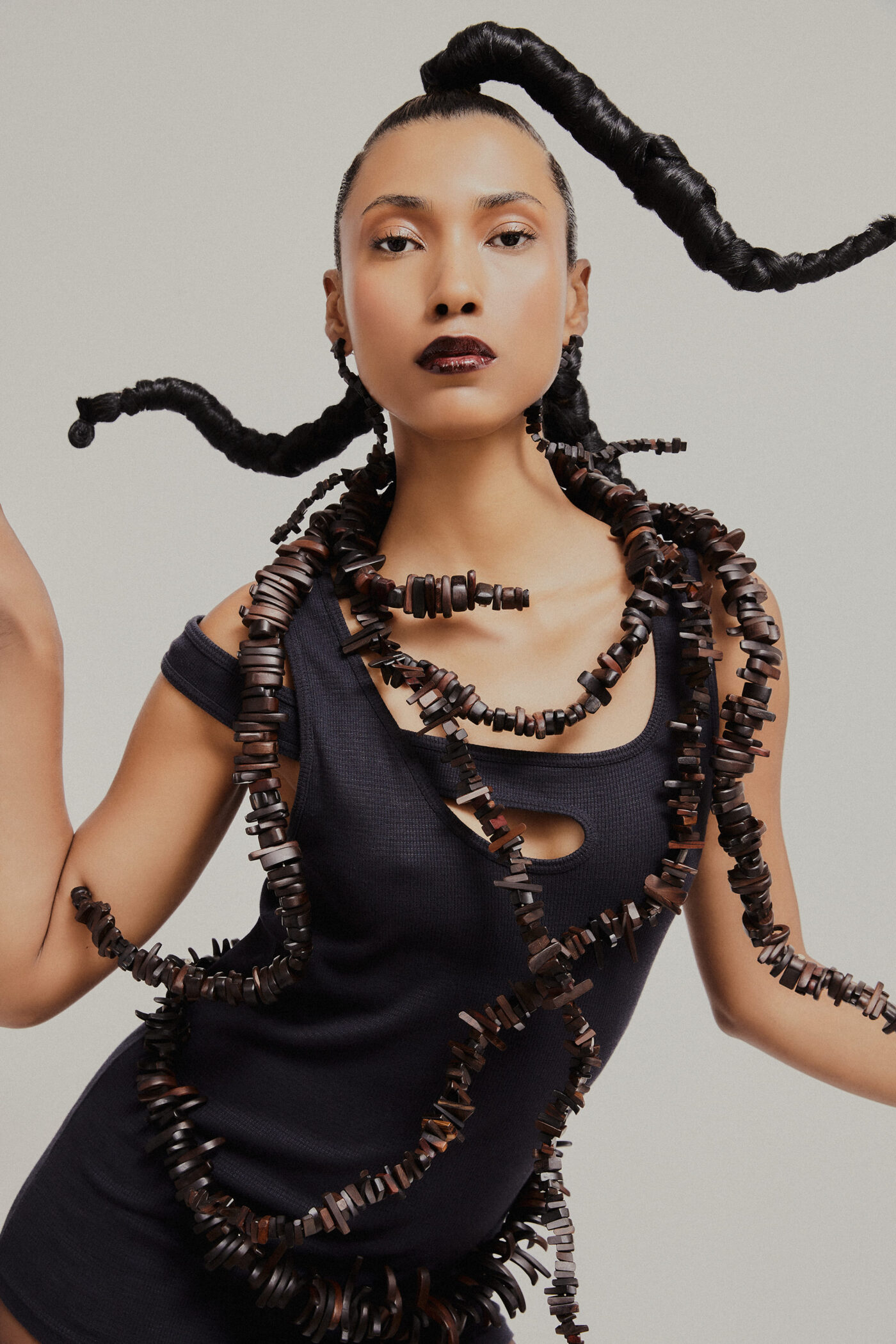
VP: I imagine a female figure who belongs simultaneously to the past and to the future. I see her positioned atop an installation. It is a tall, subtle sculpture that elevates her above everything, granting her a 360-degree view. On her arms and around her neck, she wears jewelry as if it were a shell. A layer of protection and, at the same time, an expansion of the body. From the ends of the bracelets and necklaces extend long filaments, reminiscent of tentacles, sensory extensions that help her float in the air and swim through water.

Material as Narrative

NYCJW: Are there unconventional materials, objects, or ideas that are currently inspiring you?

VP: I have always chosen wood as the central material in my work, despite feeling a strong attraction to glass and metal, precisely because of their almost alchemical properties and because they present qualities opposite to those of wood. These materials often remain in the realm of observation and inspiration, without necessarily being incorporated into the process. What happens instead is that I end up pushing the limits of wood, bringing it closer to metal through form, or to glass through fragility. I am interested in exploring how far a material can go when taken to the extreme of its symbolic and structural possibilities.

The texts and readings that permeate my creative universe come from contemporary and modern thinkers who reflect on the construction of other possibilities of existence, on transformation, and on the imagination of alternative worlds. Authors such as Donna Haraway, Ailton Krenak, Rosi Braidotti, and Ursula K. Le Guin are among the references that continuously nourish my work. Science fiction, as well as trans-feminist thought, imagines other bodies: bodies in mutation and, at the same time, bodies that reclaim an ancient wisdom that has largely been replaced or erased. In this tension, I see a key for thinking about a new way of understanding bodily adornment,not as ornament, but as a device for transformation, adaptation, and the re-enchantment of the body.
Provoking Questions

NYCJW: When someone experiences your work, what feelings or reflections do you hope it sparks?

VP: I would like the work to provoke questions and uncertainties. However, when we work with art, it is not possible to control the reactions, interpretations, or sensations it awakens in the audience. The experience of the work is completed precisely within this open, unpredictable field, where each body and each gaze produces its own meanings.

NYCJW: What’s one question you wish more people would ask you about your work?

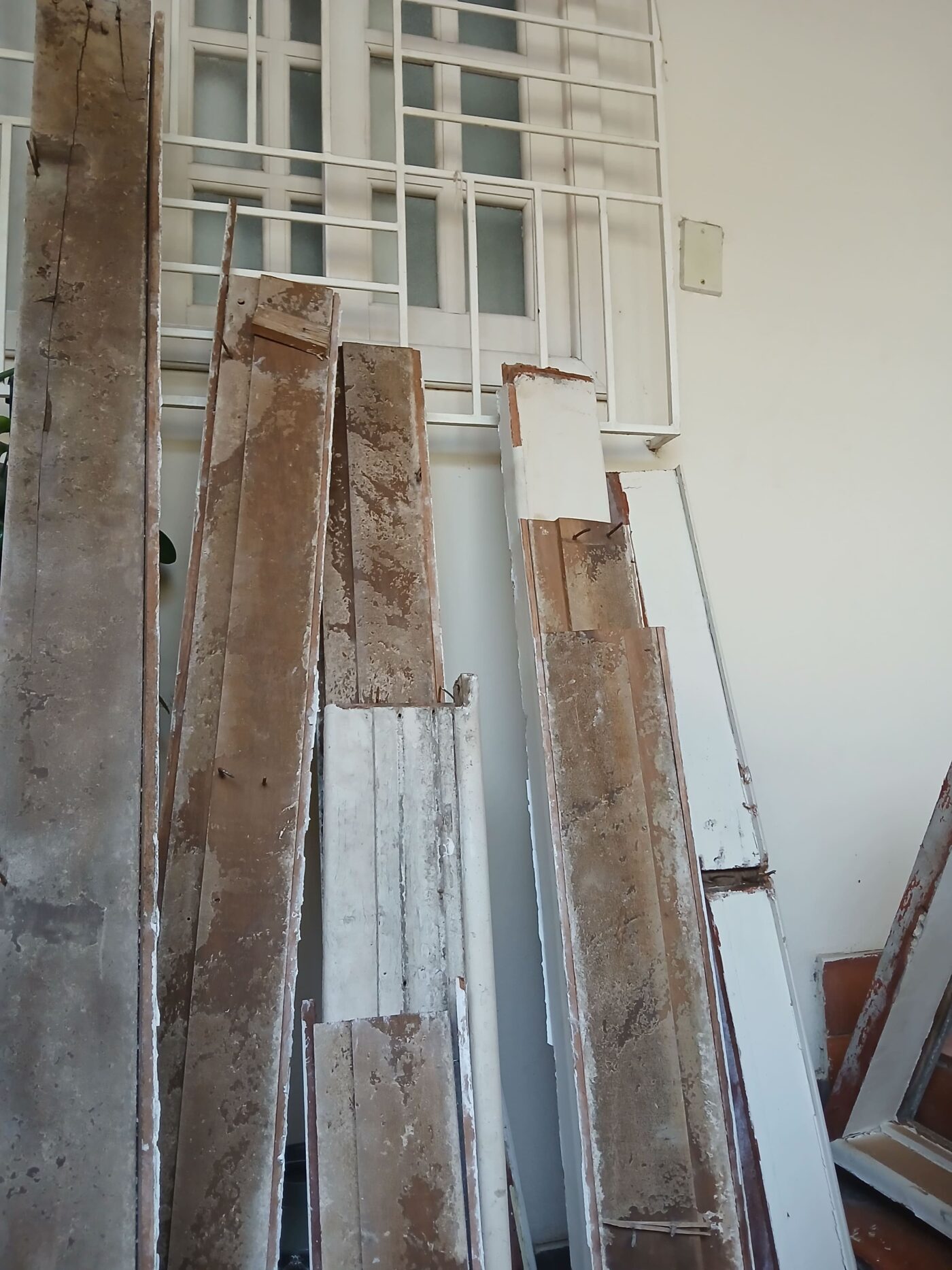
VP: I would like the questions to address the process and how I arrived at a given result. I believe this would help the public understand the complexity of the work. This process is not limited to the stages carried out in the studio. It involves the creative journey as a whole. The collection of the wood, which in most cases comes from dumpsters, urban waste, or demolition materials. If it were possible to follow the origin of the material, one would understand how visionary the work is, beyond its technical execution. To observe the structure of a discarded door, dirty covered in layers of paint, and still imagine another possibility of existence is a central gesture of the work. It is about transformation: imagining solutions, projecting other uses, other bodies, other worlds.
Transformation, Movement, Sensuality

NYCJW: Looking across your body of work, is there a recurring theme, idea, or emotion that continues to surface? What draws you back to it?

VP: The recurring theme in my work revolves around transformation, movement, and sensuality. The forms I create are twisted and hollowed out, sometimes organic, sometimes sharp and geometric. They operate within a field of tension between seduction and repulsion. This contrast reflects an underlying conflict between a rational origin of form, inherited from a Western mode of thinking in which I was raised, and my lived experience in Brazil, where the straight line dissolves and gives way to curves, circles, and spiral structures.

We’re grateful to Viola Pineider for sharing her insights, inspirations, and creative journey. Through ARC, she continues to redefine the boundaries between jewelry and sculpture. She transforms reclaimed materials, form, and perception into pieces that invite exploration, reflection, and transformation. Her thoughtful, visionary approach reminds us that jewelry is not just adornment. It is a device for becoming—a way to reimagine the body, the material, and the world around us.


About One for the Future (OFTF)
One for the Future celebrates visionary designers shaping the next generation of jewelry and creative industries. Each year, honorees are recognized for their innovation, craftsmanship, and unique perspectives, gaining opportunities for mentorship, exposure, and connection with collectors and industry leaders worldwide.

Enjoyed this piece? Explore more jewelry content from Future Heirloom!
Curves, Clarity, and Creativity: A Conversation with Symoné Currie

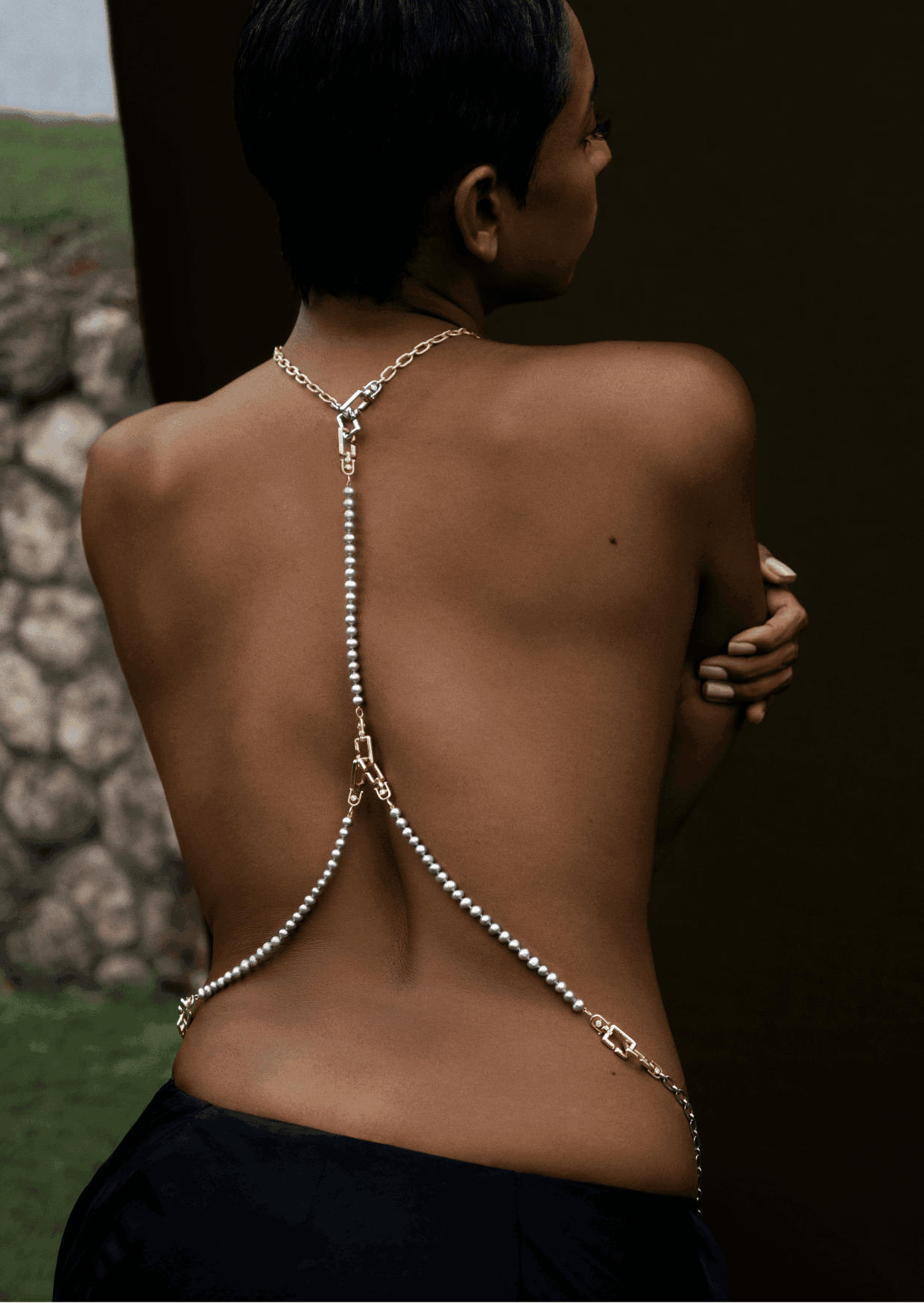
Symoné Currie is redefining modern luxury through her fine jewelry studio, Metal x Wire, where contemporary design meets thoughtful craftsmanship. With a foundation in architectural engineering, she approaches jewelry as both form and performance, creating pieces that balance sensual curves with clean structural clarity. Splitting her time between Miami, New York, and Kingston, Currie draws on a global perspective to craft timeless, modular designs that evolve with the wearer. Honored by the Natural Diamond Council, a finalist for the CFDA x Tiffany Design Award, and a 2025 honoree of the One for the Future program, she brings a distinctive, forward-thinking voice to the world of jewelry.

In this conversation, Currie shares insights into her creative process, inspirations, and the philosophy that drives Metal x Wire.

Design Philosophy: Balancing Structure, Play, and Patience

NYCJW: How do you describe the philosophy behind your work, and how has your background shaped the way you design jewelry?

Symoné: With a background in Architectural Engineering, I’ve always been trained to look at how things perform — how materials behave, how form influences movement, how design shapes experience. That perspective guides my jewelry. I named my brand Metal x Wire because I’m drawn to raw, honest materials that can be shaped with intention into something timeless. My work sits in the tension between organic softness and clean structure, with modular designs that invite reinvention. I’m not just making beautiful objects — I’m building ideas that live on the body and evolve with the person who wears them.

NYCJW: How do you decide when an idea is ready to be realized?

Symoné: I’m extremely imaginative, and not being classically trained in jewelry design means I don’t begin with limitations. I follow curiosity, experimentation, and play. There’s a project I’m currently working on and while the concept is ready, I’m giving it time. It deserves thoughtful testing, the right materials, and space to evolve. I don’t believe in rushing ideas to market. When something is meant to last, it should be brought forward with intention.

Jewelry as Canvas: Translating Form into Emotional Art

NYCJW: If you were to translate the spirit of your jewelry into another art form, what medium would it be?

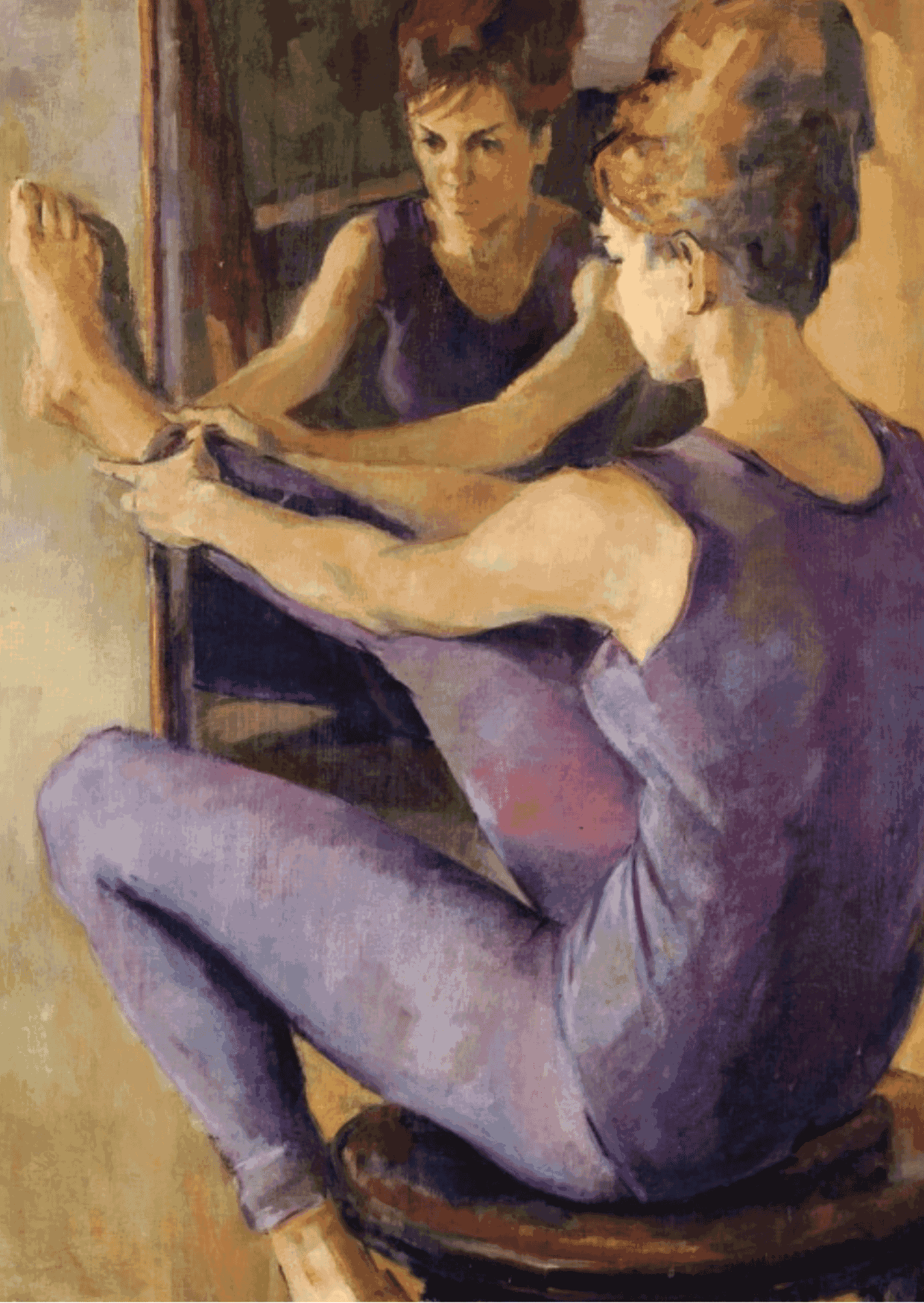
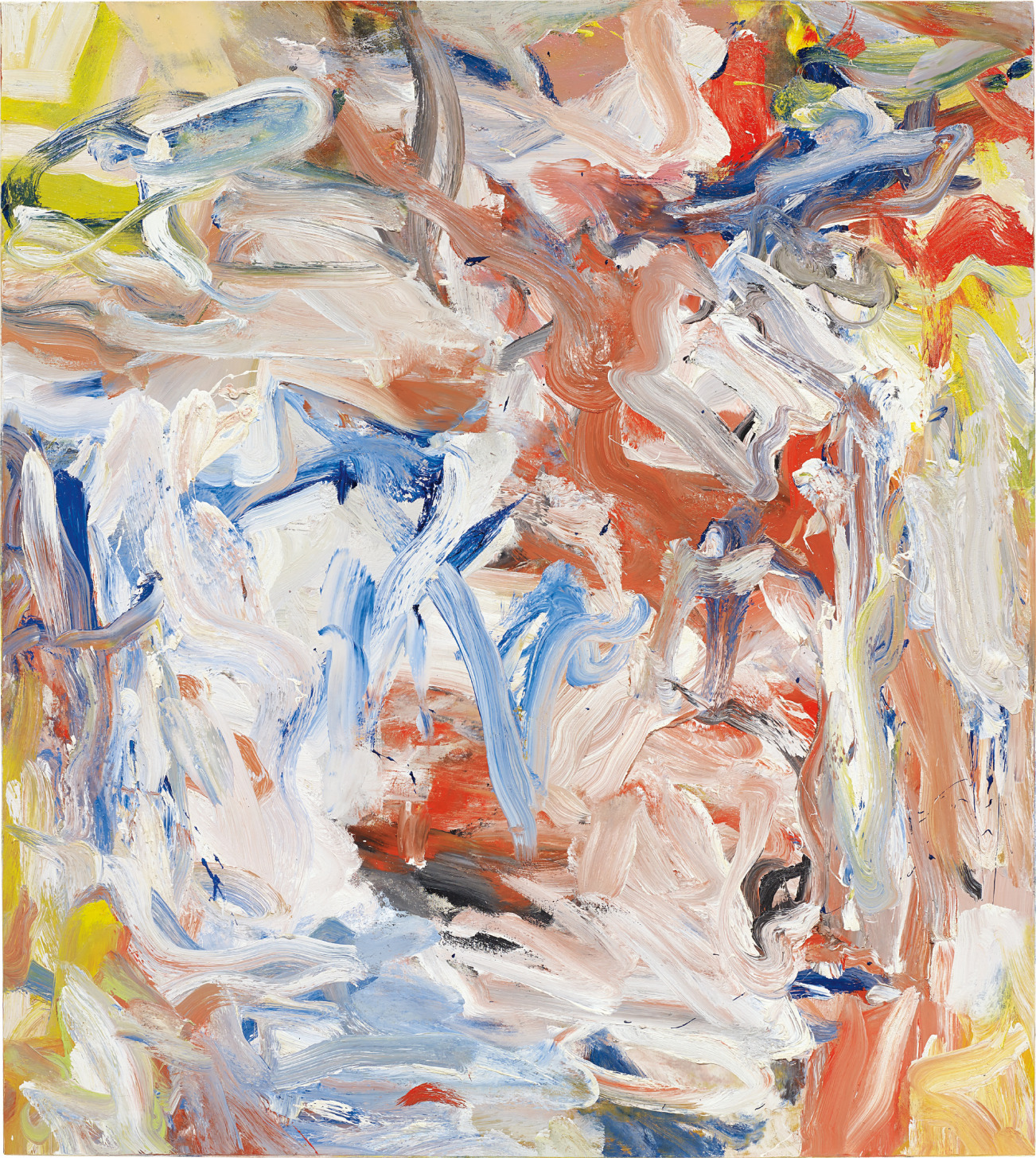
Symoné: It would be oil paint layered with expressive pastels. I love how a single brushstroke can reveal so much about the artist — fluid, urgent, soft, or sharp. My jewelry carries that same rhythm. I imagine it as an abstract canvas, like a de Kooning, where a gesture becomes a world. Or even a Barrington Watson painting — rooted, layered, open to personal interpretation. I like when a piece offers each viewer their own emotional experience.

Beyond Trends: Jewelry That Evolves With Time and Intention

NYCJW: How do you approach trends?

Symoné: There’s a pressure in the industry to chase trends and produce quickly. I don’t believe jewelry should expire with a season. A piece should evolve from genuine inspiration and live beyond the moment. That’s why my designs are modular and versatile — they grow with the wearer. Speed has never been my metric. Longevity, intention, and feeling are.

Barrington Watson Dancer at Rest via National Gallery of Jamaica

Navigating Doubt and Designing with Intention

NYCJW: Do you experience creative doubt? How do you overcome it?

Symoné: Creative doubt never fully disappears. Earlier this year, I questioned everything — my path, my ideas, even whether I should continue. What helped was slowing down. Routine. Patience. Breaking big challenges into manageable parts. And resting when the pressure became too loud. Doubt doesn’t evaporate, but consistency and care create a path through it.

NYCJW: If you could design a piece of jewelry for any historical or fictional figure, who would it be?

Symoné: I would design a convertible diamond collar for Josephine Baker — a sleek choker that transforms into a shoulder piece, hair clips, or cuffs. Modular, expressive, theatrical. A piece that mirrors the way she moved effortlessly between androgynous tailoring and glamorous gowns, always in full command of her presence.

Finding Inspiration in Nature: Jewelry That Moves With You

NYCJW: What unconventional source of inspiration are you currently drawn to, and how is it influencing your creative thinking?

Symoné: Lately, I’ve been obsessed with the quiet choreography of trees — how they bend, sway, and respond to wind without breaking. I’m not sure yet how it will manifest in my work, but the movement has been living in my mind.

NYCJW: When someone wears your jewelry, how do you hope it makes them feel?

Symoné: I want them to feel like they’re wearing something truly niche, not ordinary. My work invites them to embrace their individuality and stand confidently apart from the crowd.

Willem de Kooning Untitled XXVIII via Phillips

Charming Mischief: Transforming Everyday Jewelry Into the Extraordinary

NYCJW: What’s one question you wish more people would ask you about your work? What’s the answer?

Symoné: If your jewelry had a personality, what kind of mischief would it get up to? Oh, it would definitely be the charming troublemaker who’s always ready to surprise you.

NYCJW: Is there a theme or idea that consistently appears in your work, and what draws you to explore it again and again?

Symoné: A recurring thread in my work is transforming everyday wear into the extraordinary. I’m driven to infuse intention, elegance, and a touch of fantasy into pieces people wear daily—turning routine moments into something meaningful.

Thank you Symoné for sharing your vision of a world where play, patience, and thoughtful design transform raw materials into jewelry that is both personal and timeless. Your work inspires us to see jewelry not just as adornment, but as objects that move, adapt, and spark creativity.


About One for the Future (OFTF)
One for the Future celebrates visionary designers shaping the next generation of jewelry and creative industries. Each year, honorees are recognized for their innovation, craftsmanship, and unique perspectives, gaining opportunities for mentorship, exposure, and connection with collectors and industry leaders worldwide.

Enjoyed this piece? Explore more jewelry content from Future Heirloom!
Architecture for the Body: The Sculptural World of Renisis Jewelry

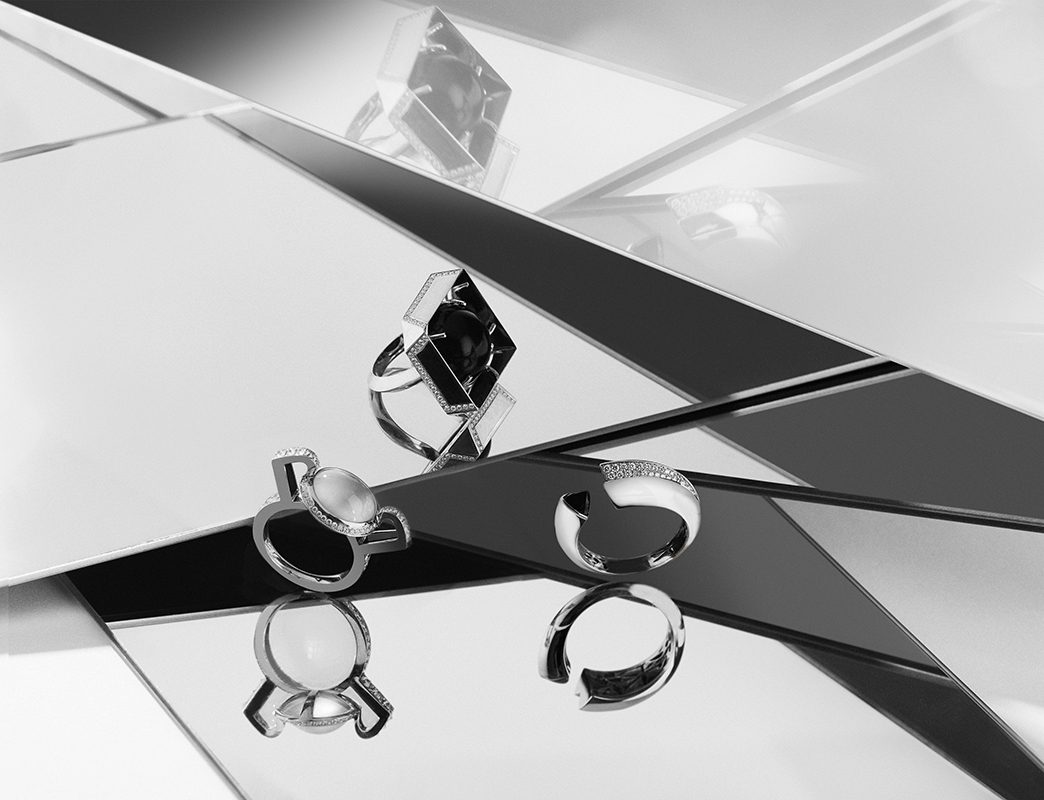
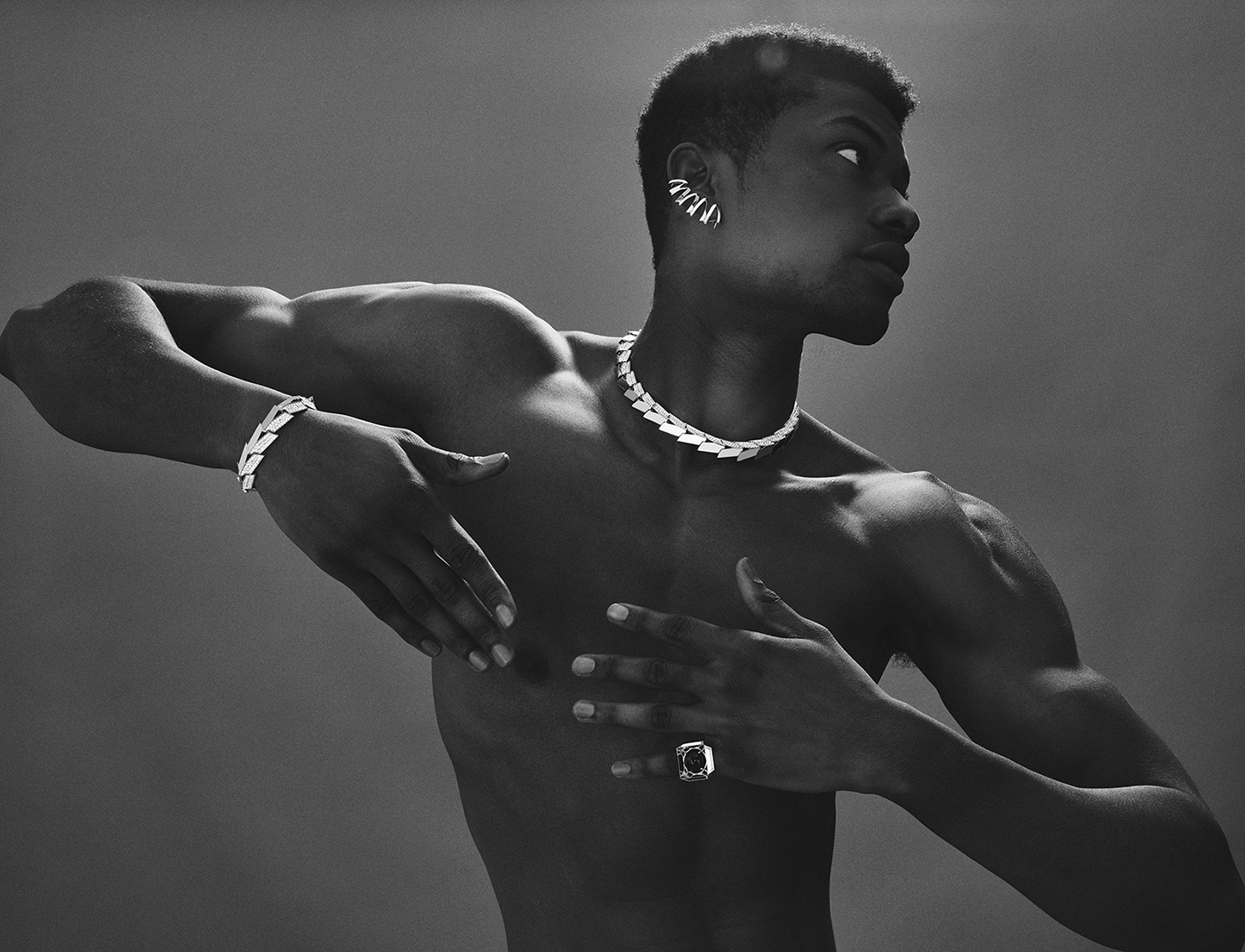
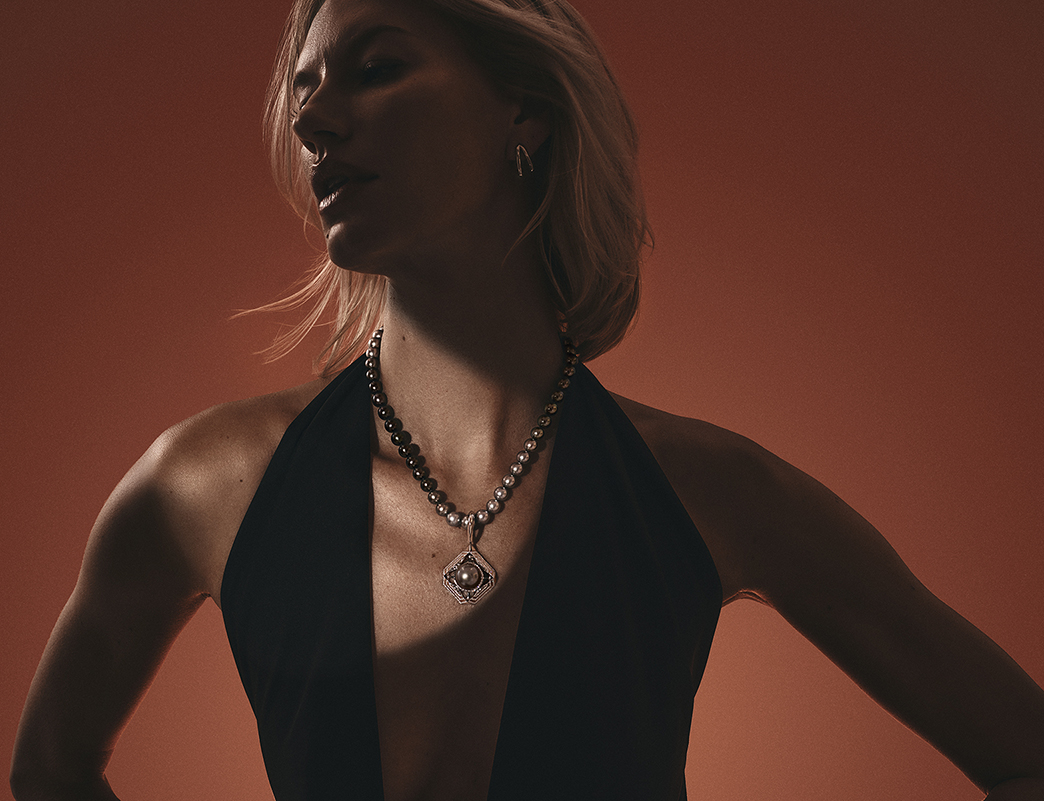
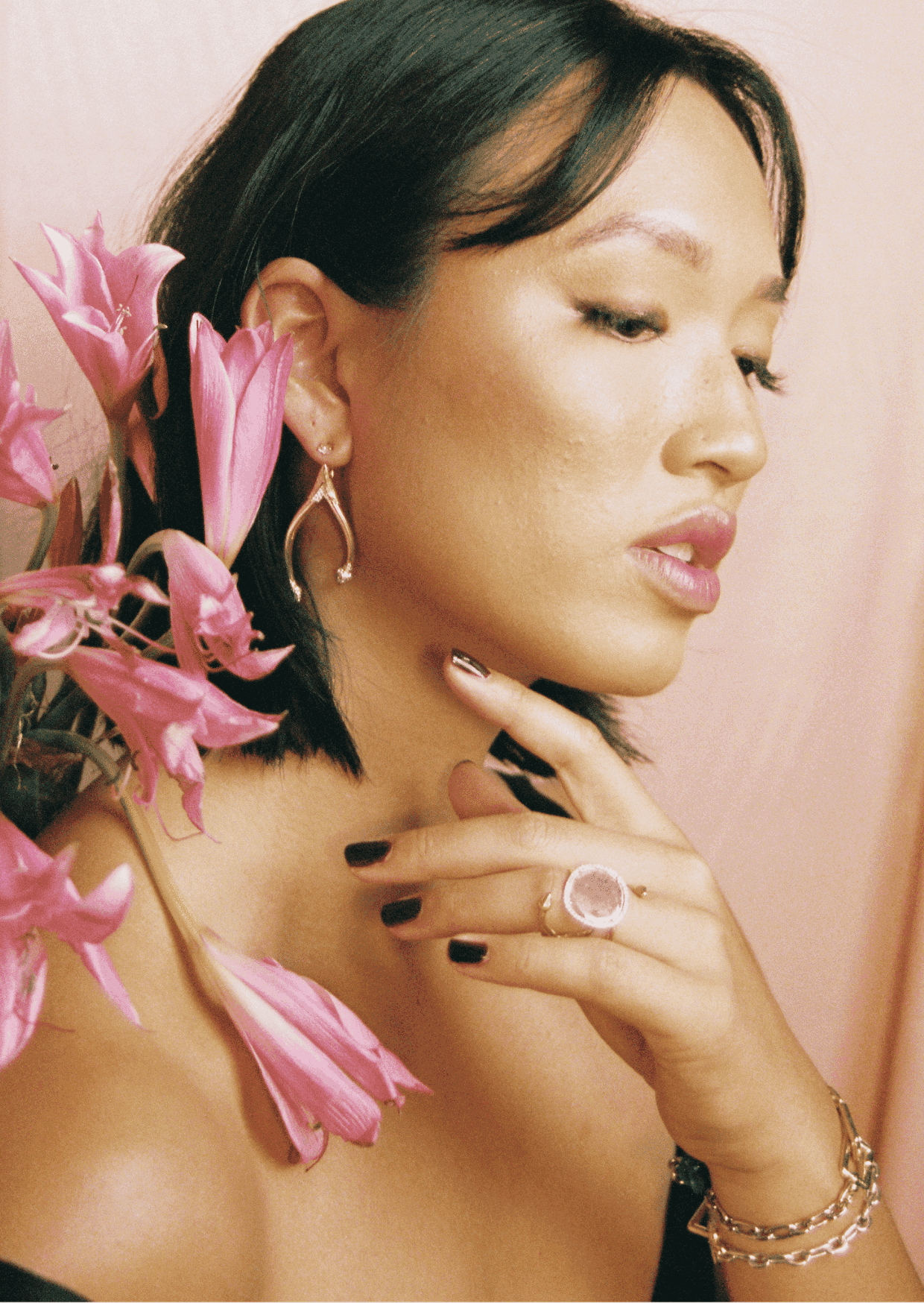
This year, Sardwell, founder of the award-winning jewelry brand Renisis and a 2025 One For The Future Honoree, organized Beyond Gold: Couture Jewels at NYC Jewelry Week, where five visionary artists blur the lines between fine art, haute couture, and craft. Through Renisis, launched in 2021 during a moment of artistic renewal, Sardwell explores jewelry as living sculpture. Her modern, sculptural designs draw from years spent in Buenos Aires, Shanghai, and São Paulo, shaped by a deep love of art, nature, and cultural texture. “The transformational ability that sculpture has to alter space is a revolutionary power,” she says, “now harnessed to be worn.”

We sat down with Sardwell to talk about creative doubt, inspiration, and the superpowers hidden within her jewelry.

The World of Renisis

NYCJW: Sardwell, can you give us your elevator pitch? What’s the story behind your work and Renisis?

Sardwell: Renisis is a world of sculptural wearable art at the intersection of jewelry, performance and art.

NYCJW: Have there been any projects or pieces you’ve put on hold? What made you decide it wasn’t the right time for them?

Sardwell: There are several projects that in the end didn’t make sense, due to the scale, cost of making the piece and likelihood of it being successful. One of those projects was a gold necklace. With gold prices so high, it just didn’t make sense.

Expanding Mediums and Bold Beliefs

NYCJW: If your work could take shape in a different medium (like dance, film, or architecture), what would that look like?

Sardwell: It would be incredible to collaborate with a ballet company, such as the NYC Ballet Company or a Modern Opera. Renisis jewelry is like architecture and sculpture for the body and partnering with dance or opera would further ground these wearable art pieces as adornment in the world of art and performance.

NYCJW: Is there a belief or convention in the jewelry world that you quietly, or not so quietly, disagree with?

Sardwell: At Renisis we do not believe in using Lab grown diamonds. We only use natural diamonds supporting mining communities and artisanal miners.

Creative Doubt and Imagined Superpowers

NYCJW: When do you feel the most creative doubt, and how do you work through it?

Sardwell: At times I have creative doubt when arriving at a new design. I have internal discussions whether the design is “good enough” to complete and produce. I find it always challenging to arrive at a decision. At this point, I allow the design to rest, often for months, and later return to the design with fresh eyes.

NYCJW: If you could create a piece for a fictional character or historical figure, who would it be — and what would it be like?

Sardwell: I would enjoy creating a female superhero figure illustration that a Japanese manga cartoon wearing Renisis jewels are her daily armor of protection. Wearing each jewel she would acquire special superpowers to face her life challenges. The Echo Chamber Ear Cuff would enable her to unscramble foreign languages, the Guardian Temple Pendant would empower her to look within the eye and heart of each soul, and the Reservoir Ice Ring would restore calm and breath for enduring focus. I believe that every woman needs to hold their special powers close to meet daily demands and challenges with greater ease.

Inspiration, Emotion, and the Making of a Jewel

NYCJW: What unusual materials or sources of inspiration are you obsessed with right now, and how do they show up in your work?

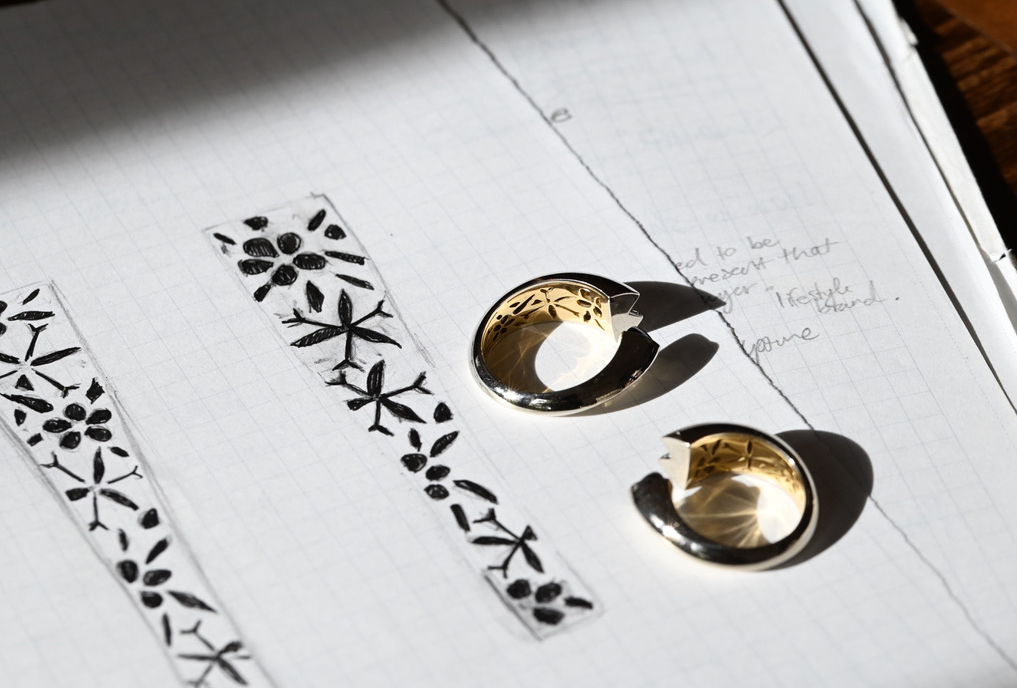
Sardwell: I have collected and am obsessed with Indigo dyed shibori fabrics printed with wood blocks in Japan. I love the graphic compositions of flowers and other symbols of nature. Currently, I like to use these inspiring designs in the inside of rings or the back details of pendants, similar to a beautiful silk fabric lining the inside of a jacket as a gorgeous surprise.

NYCJW: When someone wears your jewelry, how do you want them to feel? What do you hope it gives them permission to do or experience?

Sardwell: I would love the wearer to perceive that they are wearing a piece of art that has been made with the highest level of craftsmanship and care. I hope others feel emotionally transformed, confident, to transcend expectations, and look beyond their current emotional state, arriving at the most awesome version of themselves.

NYCJW People often ask about your process, how do you arrive at a new design?

Sardwell: How do you arrive at a new design? I would work paper, objects, wax, wire, and metal to form and sculpt ideas at my studio bench. With each rendition, I am to arrive at a new form, engaging from every angle. From these maquettes, I create technical drawings and work with artisans to make the final piece of jewelry.

Recurring Forms and the Art of Exploration

NYCJW: Is there a theme, shape, or emotion that keeps showing up in your collections? Why do you keep coming back to it?

Sardwell: Similar to assembling a fashion collection, I often explore one form, geometric pattern or shape, in different ways throughout a collection. It is a method of working that allows me to investigate a shape in a sculptural way and manipulate it to create new patterns, settings, and novel designs.

We’re grateful to Sardwell for sharing her insights, inspirations, and creative journey with us. Through Renisis, she continues to push the boundaries of jewelry as art, transforming materials, form, and perception into wearable sculptures that empower and inspire. Her thoughtful approach reminds us that jewelry is not just adornment, it’s a vehicle for expression, confidence, and transformation.


About One for the Future (OFTF)
One for the Future celebrates visionary designers shaping the next generation of jewelry and creative industries. Each year, honorees are recognized for their innovation, craftsmanship, and unique perspectives, gaining opportunities for mentorship, exposure, and connection with collectors and industry leaders worldwide.

Enjoyed this piece? Explore more jewelry content from Future Heirloom!