Between Weight and Lightness: An Interview with Yuki Yoshioka

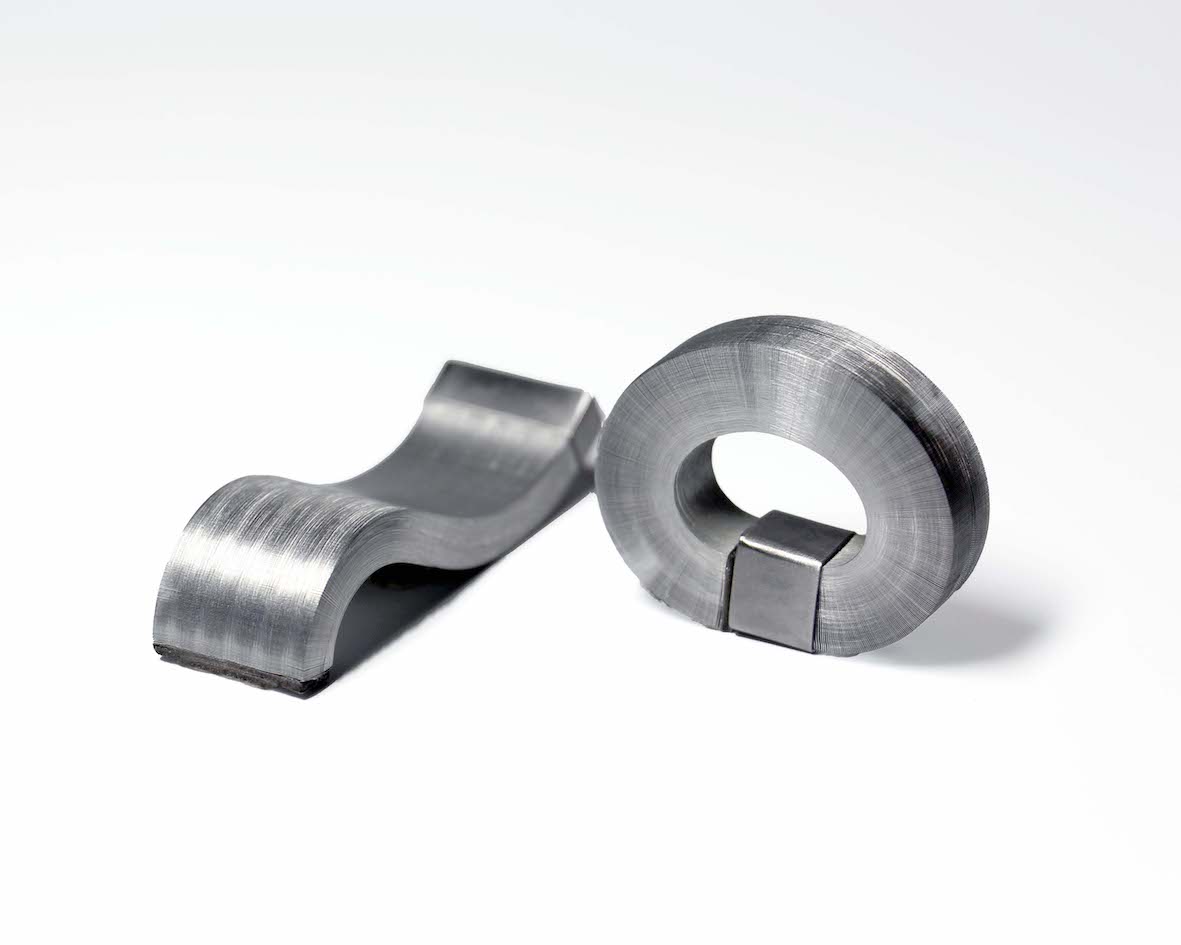
Yuki Yoshioka is a Tokyo-based jewelry artist whose practice explores the relationship between material, body, and perception. Her work explores subtle shifts between visual perception and physical experience, creating forms that appear dense or structured yet feel unexpectedly light. Drawing from both industrial systems and traditional techniques, she translates these tensions into wearable forms. Through this process, her jewelry functions as a perceptual device, inviting a more attentive and embodied way of experiencing. She is a 2026–2027 One for the Future honoree.

We sat down with Yuki to learn more about the thinking behind her work, the questions that guide her process, and how she navigates the delicate balance between material precision and perceptual uncertainty.
An Introduction to the Practice

If you were telling the story of your work or your jewelry practice to someone for the first time, how would you describe it?

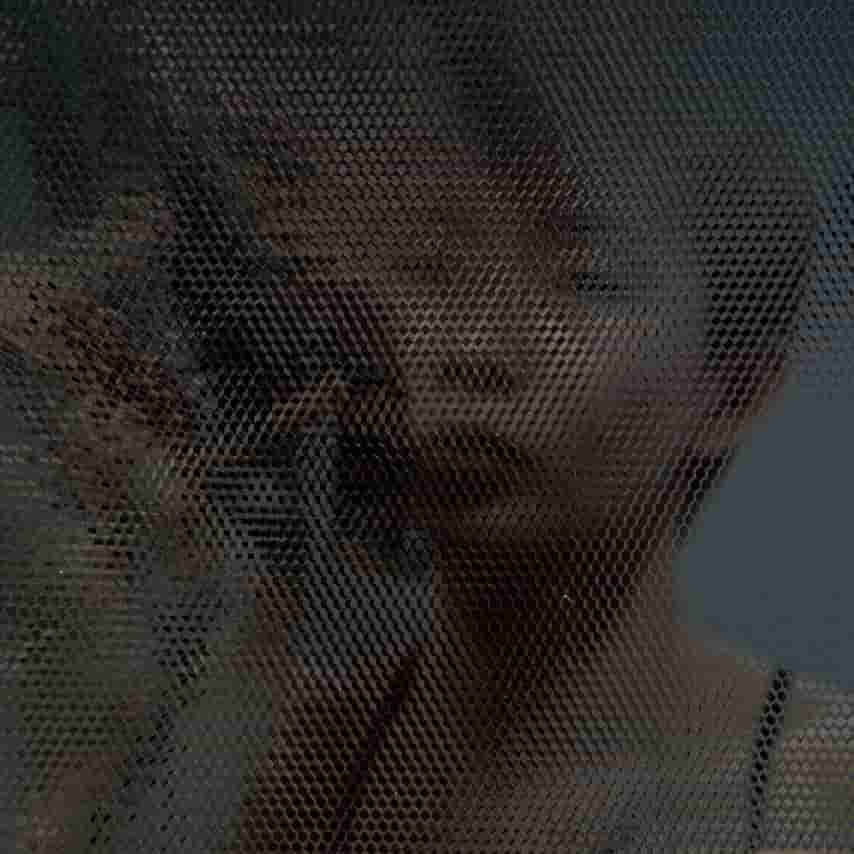
I create jewelry that reveals a dissonance between visual weight and physical lightness. By transforming industrial structures into unexpectedly delicate experiences, my work challenges how we perceive material and value. My practice began with a simple question: how fixed are our assumptions about materials? I was drawn to structures that appear rigid and heavy, yet hold the potential for lightness and flexibility. By working with industrial systems such as aluminum honeycomb, I explore this contradiction—where strength meets fragility, and familiarity shifts into uncertainty. In this process, jewelry becomes more than an object. It becomes a moment of awareness—an encounter that invites curiosity, and gently reawakens a sense of discovery in the everyday.

When Too Much Freedom Becomes a Constraint

Building on that idea of materials and perception, is there a project or concept you once explored but eventually set aside?

I once developed the idea of creating a fully customizable system, where individual parts of a piece could be freely replaced or reconfigured. However, I encountered limitations in the durability of the materials I was working with, which made the idea difficult to realize at the time. More importantly, I began to question the concept itself. The more freedom I introduced, the less clarity the work seemed to hold. I realized that too much openness can actually narrow the possibilities of a piece. As a maker, setting certain constraints is essential—it creates tension, direction, and meaning. Looking back, I see that I wasn’t ready to define those limits yet. Now, I understand that restriction is not a limitation, but a framework that allows the work to exist with intention.

Perception as Environment

If we set jewelry aside for a moment, how do you imagine your work translating into another medium?

If my work were to exist in another medium, it would take the form of a spatial installation that functions as a perceptual experiment. Rather than being worn, the work would be experienced through movement—where perception shifts as one navigates the space. I imagine structures that appear dense and fixed from a distance, yet reveal unexpected lightness, transparency, or instability up close. In this environment, the viewer is not only observing but participating in a subtle test of perception. What is seen and what is physically understood no longer align. Through this shift, the body becomes part of the work itself, encountering a space where certainty is continuously questioned. 

Beyond Rarity and Preciousness

Within that focus on perception and material experience, is there a belief or convention in jewelry that you find yourself questioning or resisting?

I question the hierarchy of materials that often defines jewelry through rarity and preciousness. While I respect the historical significance of materials like gold or diamonds, I am more interested in how a material can shape perception. In my work, materials are chosen not for their inherent value, but for the unexpected experiences they can create—particularly the gap between visual density and physical lightness. For me, jewelry is less about owning value and more about encountering a moment of curiosity.

Navigating Creative Doubt

When your work begins to feel unclear or unsettled, what does that moment of creative doubt look like for you?

A recent moment of doubt emerged while I was trying to expand my work in multiple directions at once. As I explored different approaches, I began to feel that the work was losing its clarity. The core tension I usually focus on—the gap between what is seen and what is felt—started to blur. I questioned whether I was moving away from the essence of my practice. To move through this, I opened the process to dialogue, seeking perspectives from others outside my immediate viewpoint. These conversations allowed me to step back and re-encounter the work more objectively. I realized that doubt itself can be a useful distance—one that helps reveal what is essential. Since then, I have become more attentive to maintaining a clear focus, even when exploring new directions.
What the Work Leaves Behind

When someone encounters your work for the first time, what kind of experience or feeling do you hope stays with them afterward?

I want the experience of my work to begin with a subtle shift in perception—where what is seen does not fully align with what is felt. This moment of uncertainty is not an end in itself, but a starting point. It invites closer attention and often leads to a sense of curiosity or surprise. From there, I am interested in what happens next—how this experience is shared, questioned, or spoken about. In this sense, the work becomes a catalyst for communication. I hope it gives permission to engage more actively with perception and to recognize that meaning is not fixed, but something that can emerge through interaction.
Structure, Clarity, and Perception

Thinking about artistic influence and dialogue across time, if you could create a piece in response to a specific figure, who would you choose?

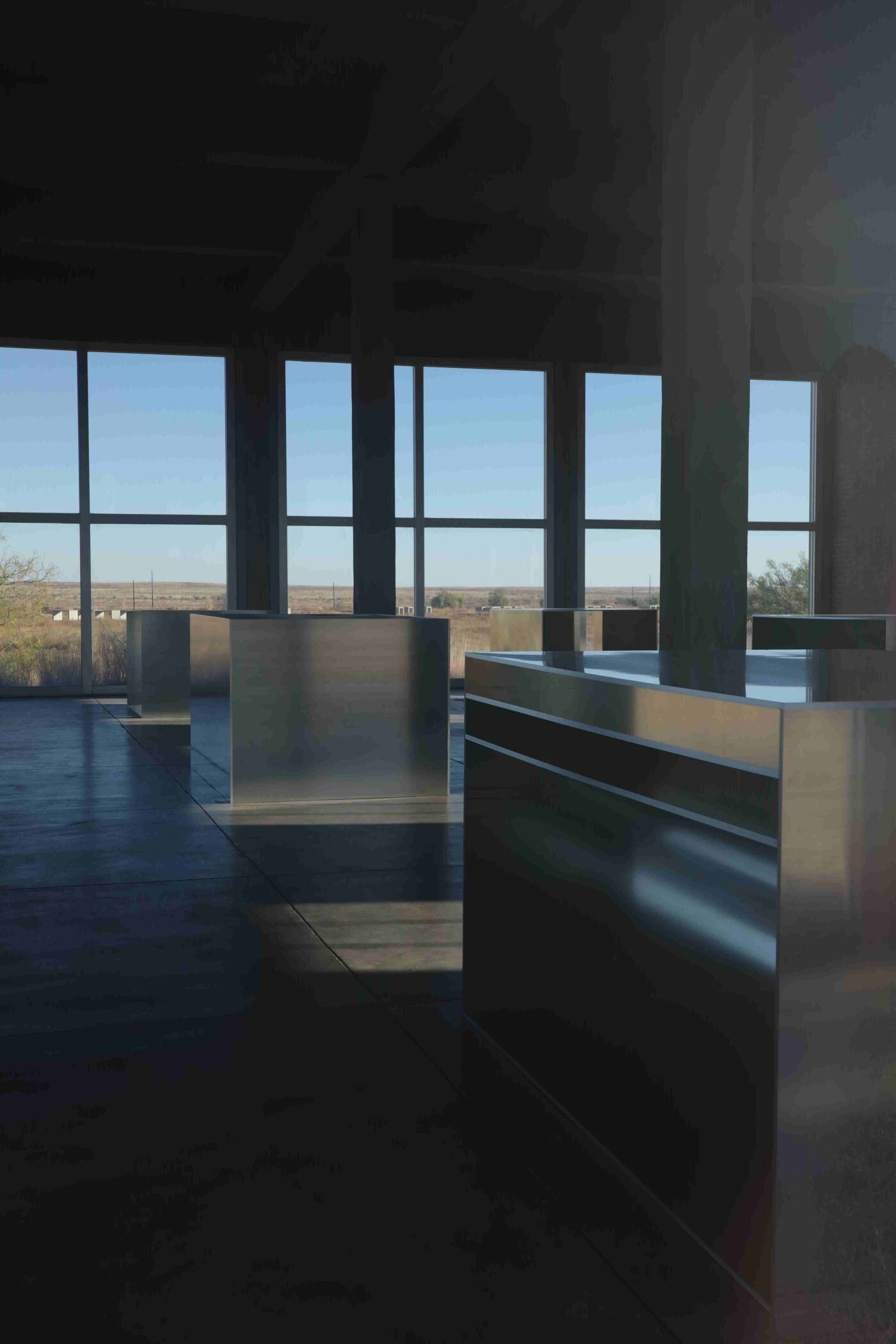
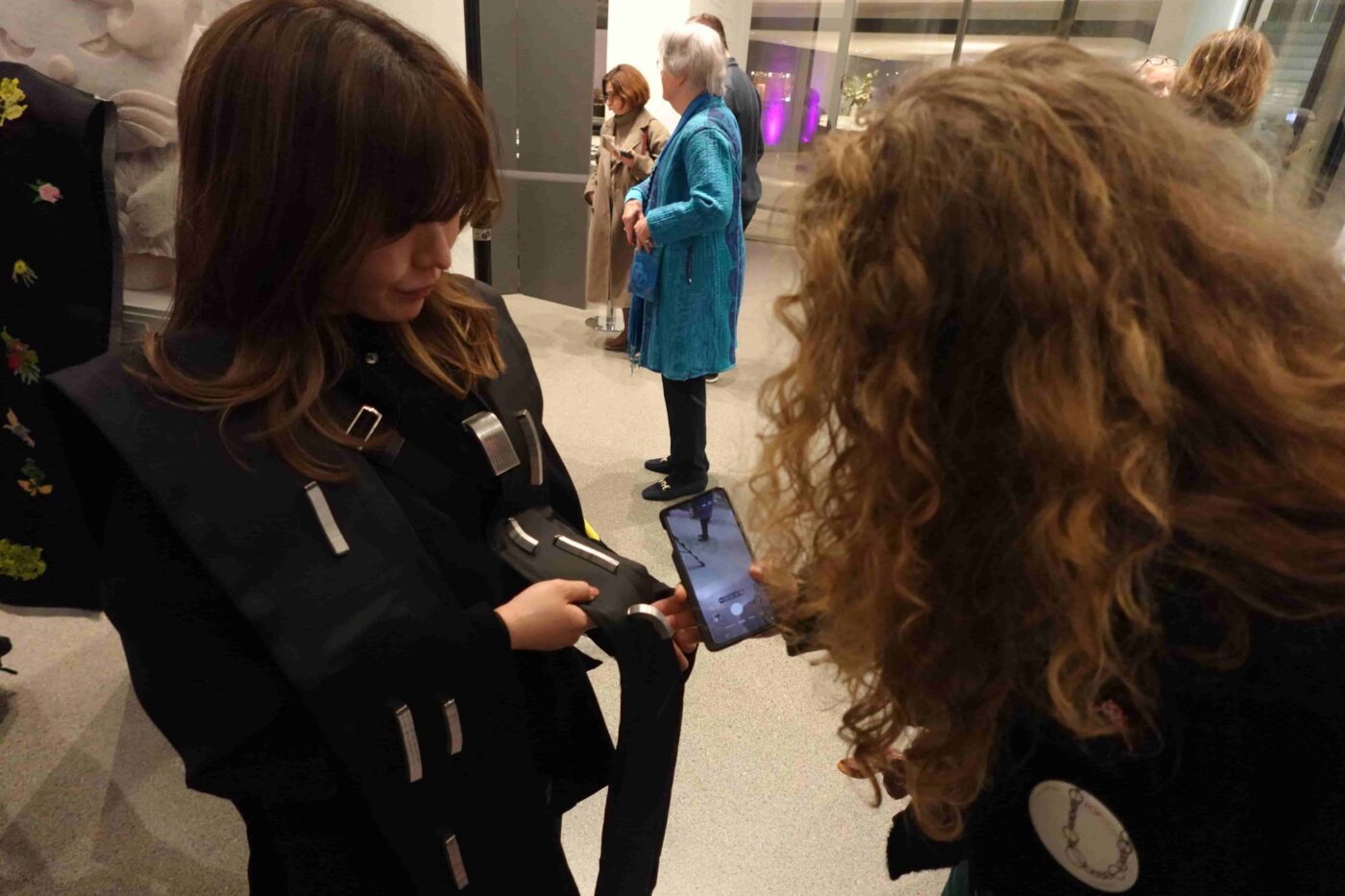
If I could create a work for “Donald Judd”, I would be interested in responding to his precise and material-driven approach to form. His work has a quiet but powerful way of shaping perception—through structure, proportion, and the direct presence of materials. In response, I would create a piece that maintains this clarity, yet introduces a subtle shift in experience: a form that appears dense and structured, but reveals an unexpected lightness when worn. Rather than relying on illusion, the work would allow perception to unfold gradually—through the relationship between the body, the material, and the act of wearing.
Scent, Structure, and the Senses Beyond Vision

Right now, what kinds of non-traditional materials, systems, or sensory references are you most drawn to?

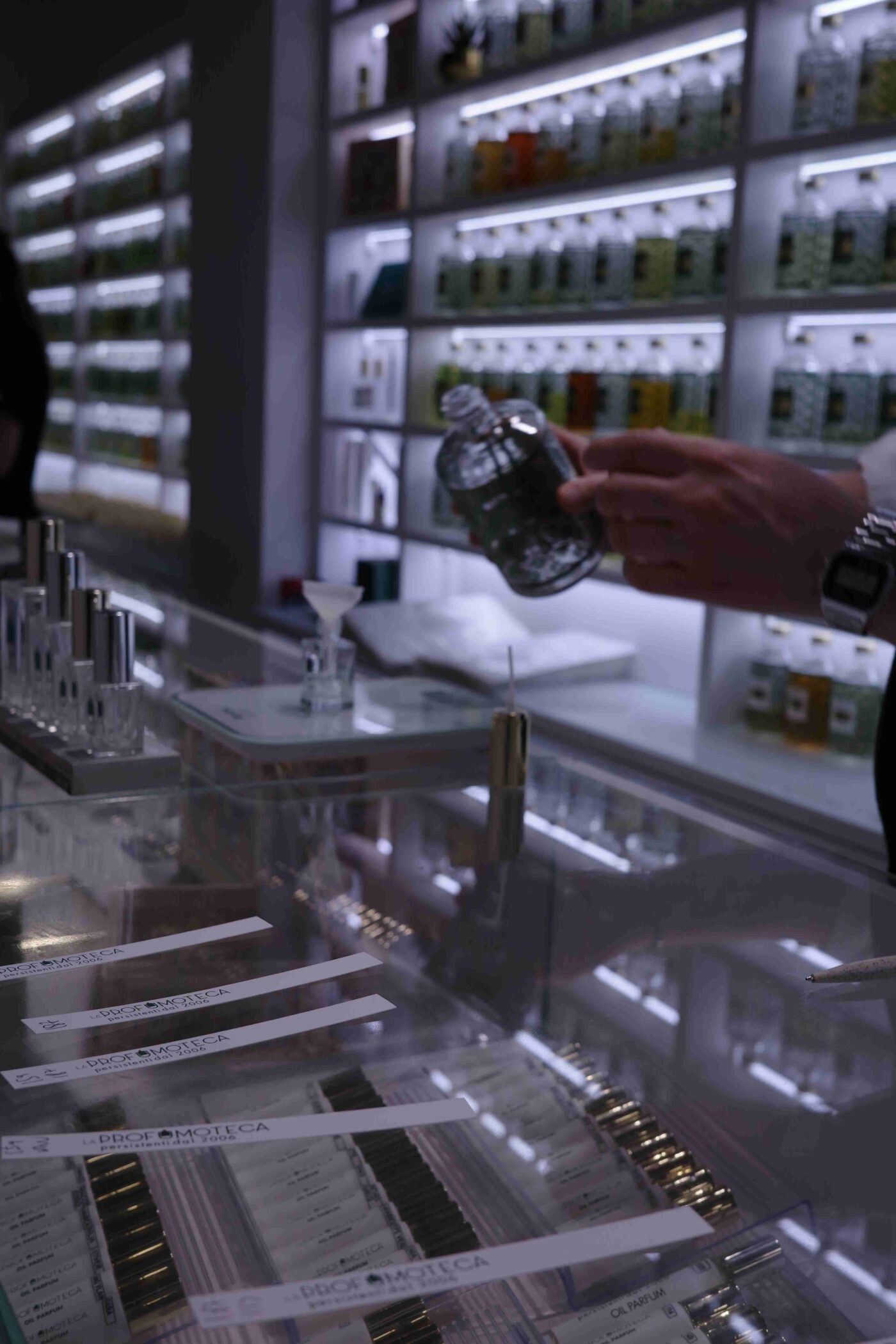
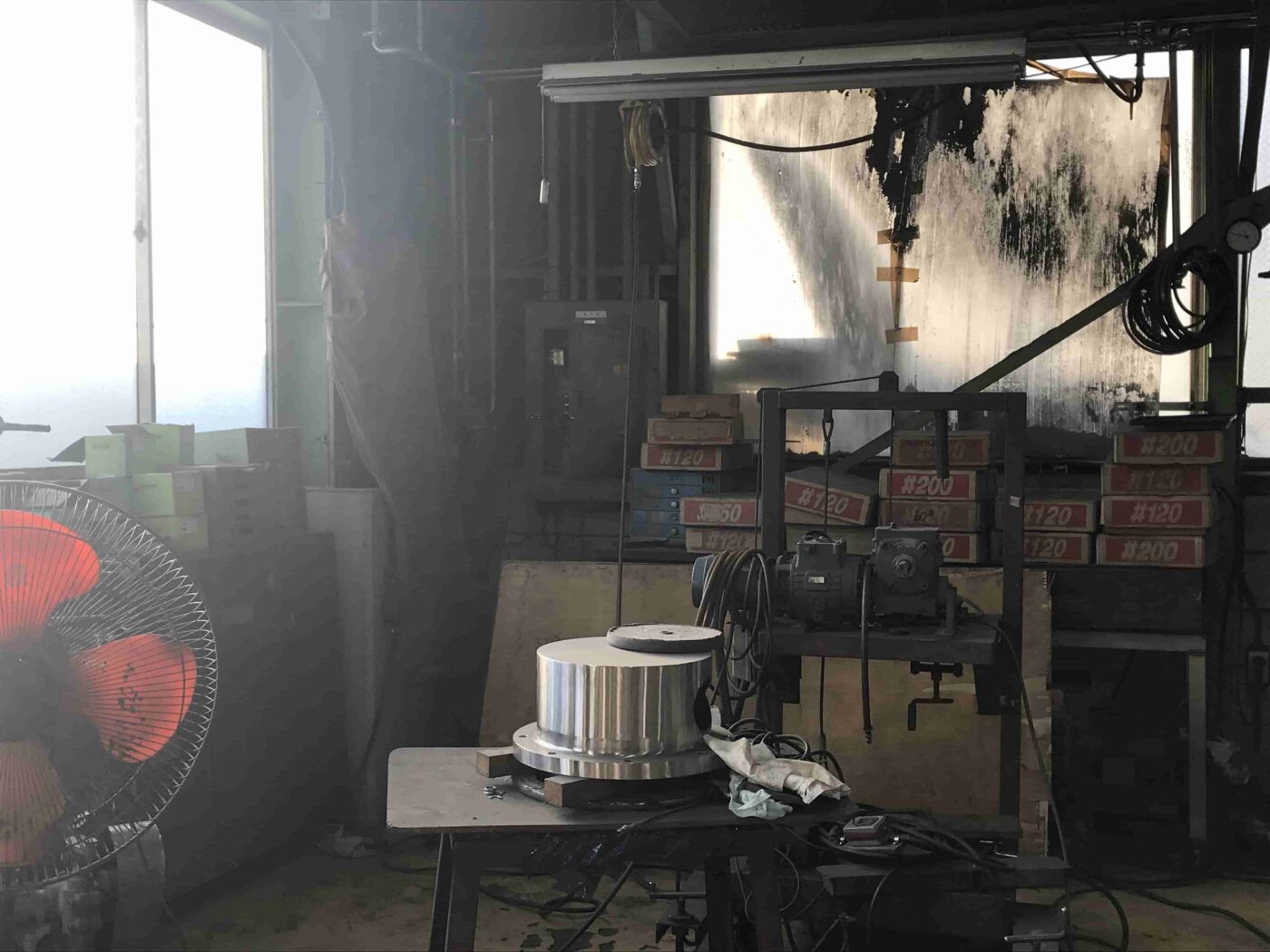
I am currently interested in how different senses shape perception and memory—particularly through scent, industrial materials, and functional objects. Scent, in particular, fascinates me as a form of perception that is invisible, yet deeply connected to memory. At the same time, I am drawn to industrial components and product design, where form is shaped by efficiency, structure, and use rather than appearance. What connects these interests is that they are not fully understood through vision alone. In my work, I am exploring how these elements can enter jewelry in subtle ways—through structures that respond to movement, materials that shift perception when worn, or forms that suggest a function beyond what is immediately visible. Rather than directly incorporating these references, I am interested in translating their underlying logic into an embodied experience, where perception unfolds gradually through use, memory, and the body.
Why Jewelry?

You’ve described your work as something like a perceptual device. What question do you wish people asked more often about your work?

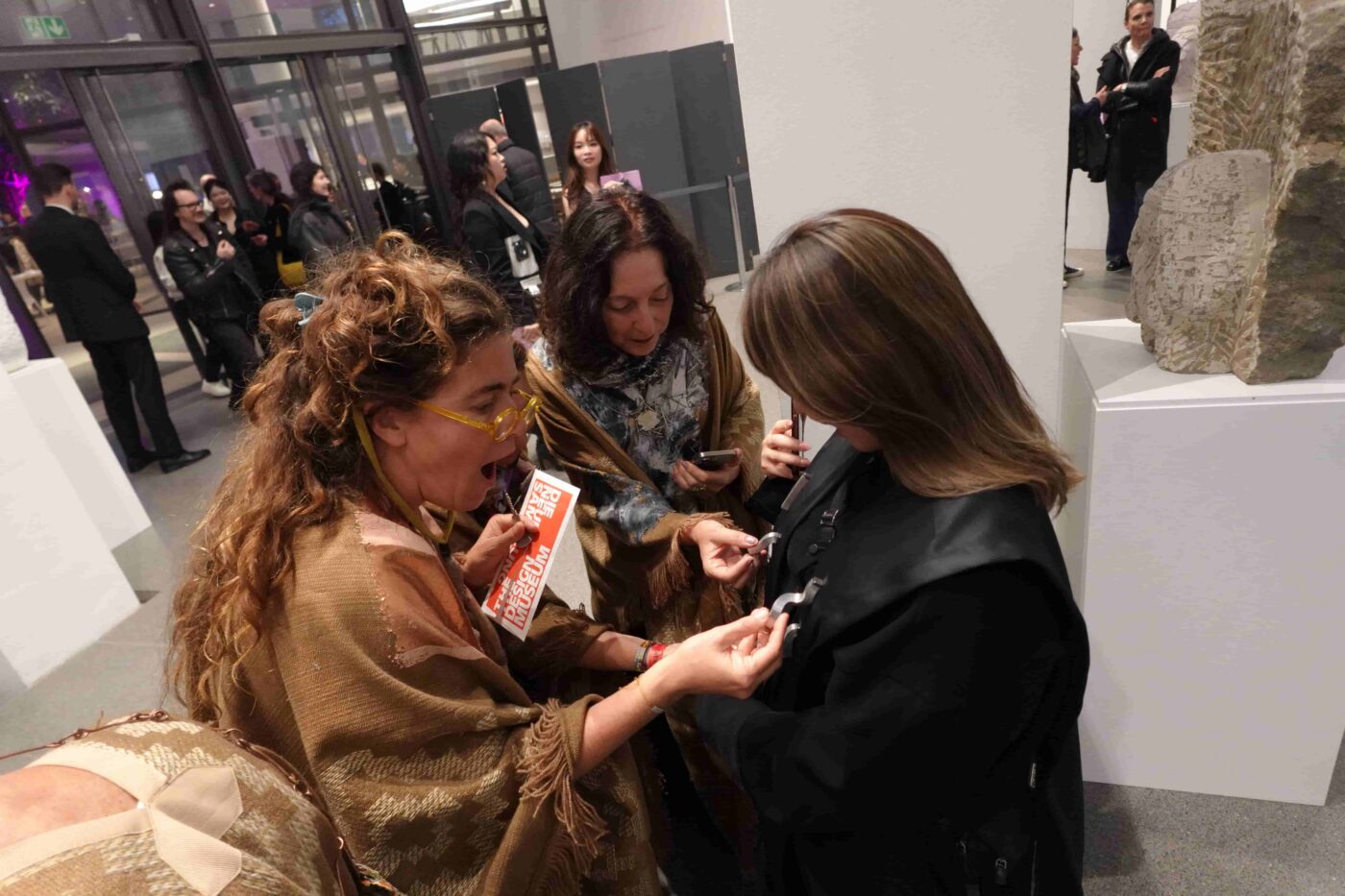
One question I wish more people would ask is: Why does this work need to exist as jewelry? For me, jewelry creates a unique condition of proximity—where perception is experienced through the body rather than observed at a distance. I think of my work as a kind of perceptual device—something that subtly shifts how we see and feel. It is through this intimate and embodied experience that the work can extend beyond the object itself, opening a space for reflection and communication.
The Space Between Seeing and Feeling

Finally, as we return to the core of your practice, is there a recurring idea or tension that keeps coming up in your work?

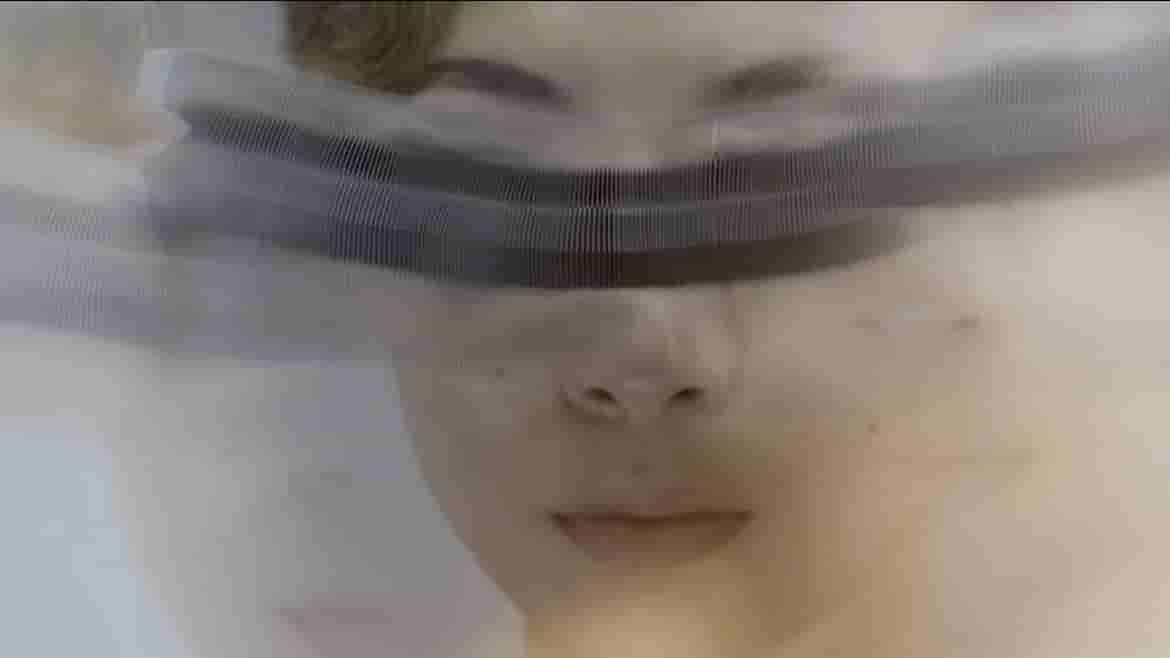
A recurring theme in my work is the subtle gap between what is seen and what is physically experienced. I often create forms that appear dense or structured, yet feel unexpectedly light—producing a moment where perception hesitates. I think this continues to appear because I am drawn to the moment when certainty begins to loosen—when something familiar becomes slightly unstable. In this sense, my work functions as a kind of perceptual device, revealing small shifts in how we understand what we see. Within these moments, perception is no longer fixed, but quietly unfolding.


About One for the Future (OFTF)
One for the Future celebrates the next generation of jewelry and creative industry professionals. Each year, the program recognizes honorees for their innovation, craftsmanship, and/or unique perspectives and connects them with mentorship, exposure, and opportunities to engage with collectors and industry leaders worldwide.

Enjoyed this piece? Explore more jewelry content from Future Heirloom!
Turning Clouds into Stone: A Conversation with Chu Winnie Cheung

Chu Winnie Cheung is a Chinese contemporary jewelry artist based in Toronto. Her practice transforms Xuan paper into stone-like forms that explore freedom, language, and our relationship to the natural world.

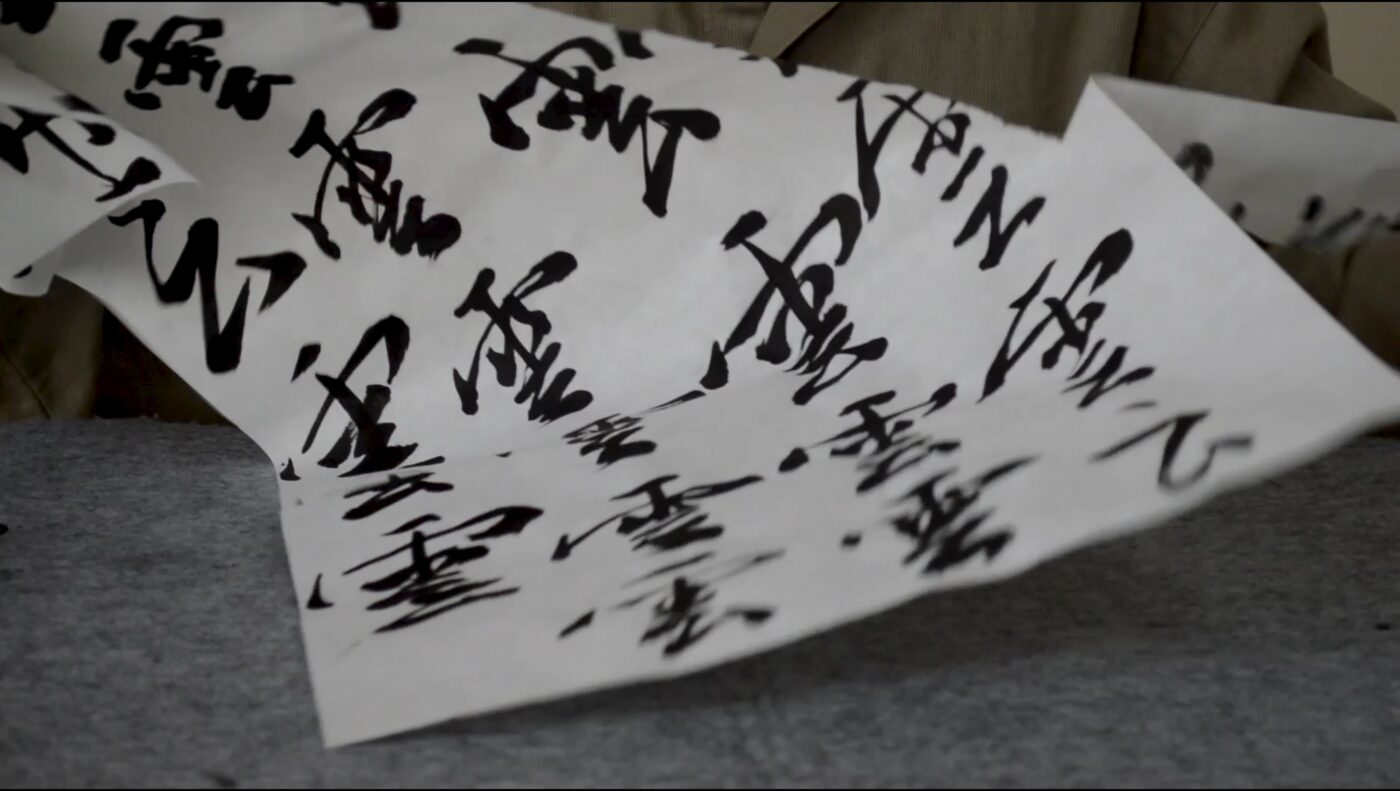
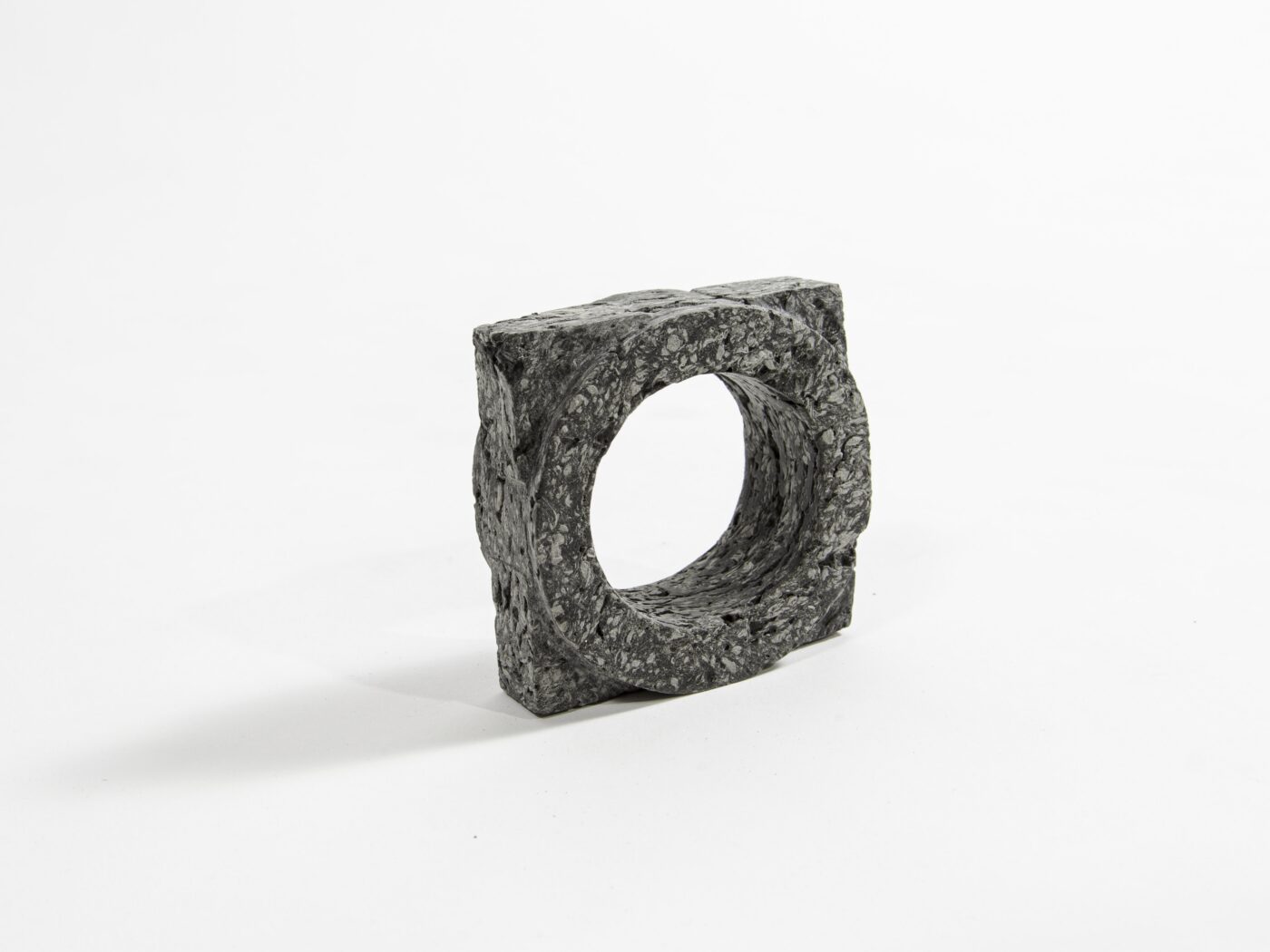
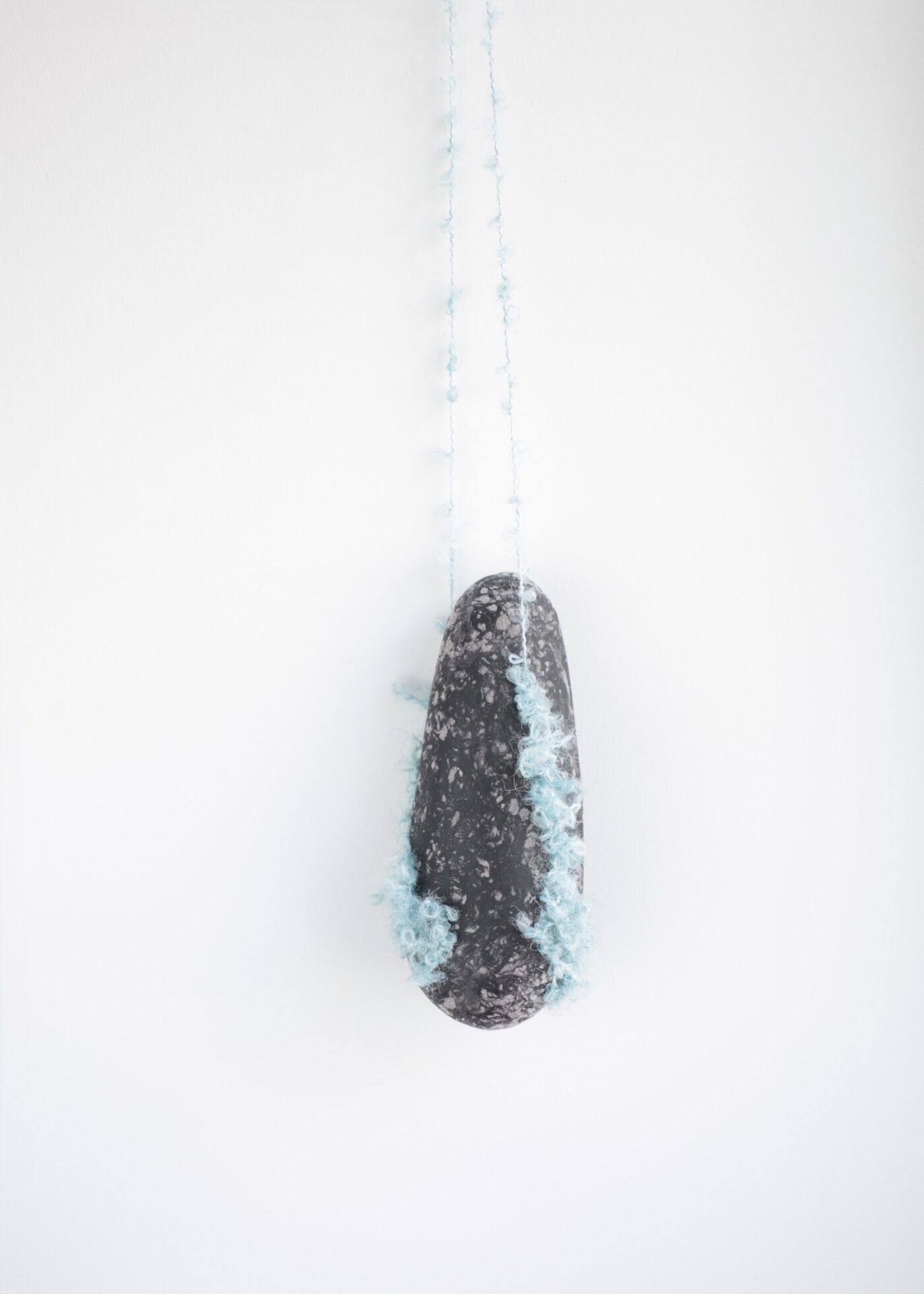
Through a repetitive process of writing the Chinese character for “cloud,” she then tears, sculpts, sands, and polishes paper into wearable objects. The results appear mineral-like and weighty, yet remain unexpectedly light.

Her work sits at the intersection of calligraphy, ritual, material transformation, and contemporary jewelry. Through this, she explores what she describes as a primordial connection between humans and nature.

Cheung’s work has been exhibited internationally. Notable exhibitions include the Marzee International Graduate Show in the Netherlands and the 33rd Japan Jewellery Competition in Tokyo. She was a 2023 New Talents Award nominee by Klimt02. She also presented her solo exhibition Void at the Craft Ontario Gallery as part of DesignTO 2025. Cheung will participate in the Steinbeisser Project in the Netherlands in June 2026. She is also a 2026–2027 One for the Future honoree.

We spoke with Cheung about paper, freedom, censorship, invisible labor, and the strange beauty of turning clouds into stone.

On Turning Paper into Stone

NYCJW: Your work transforms something as fragile as paper into forms that feel almost geological. How did you arrive at this process, and what story are you telling through it?

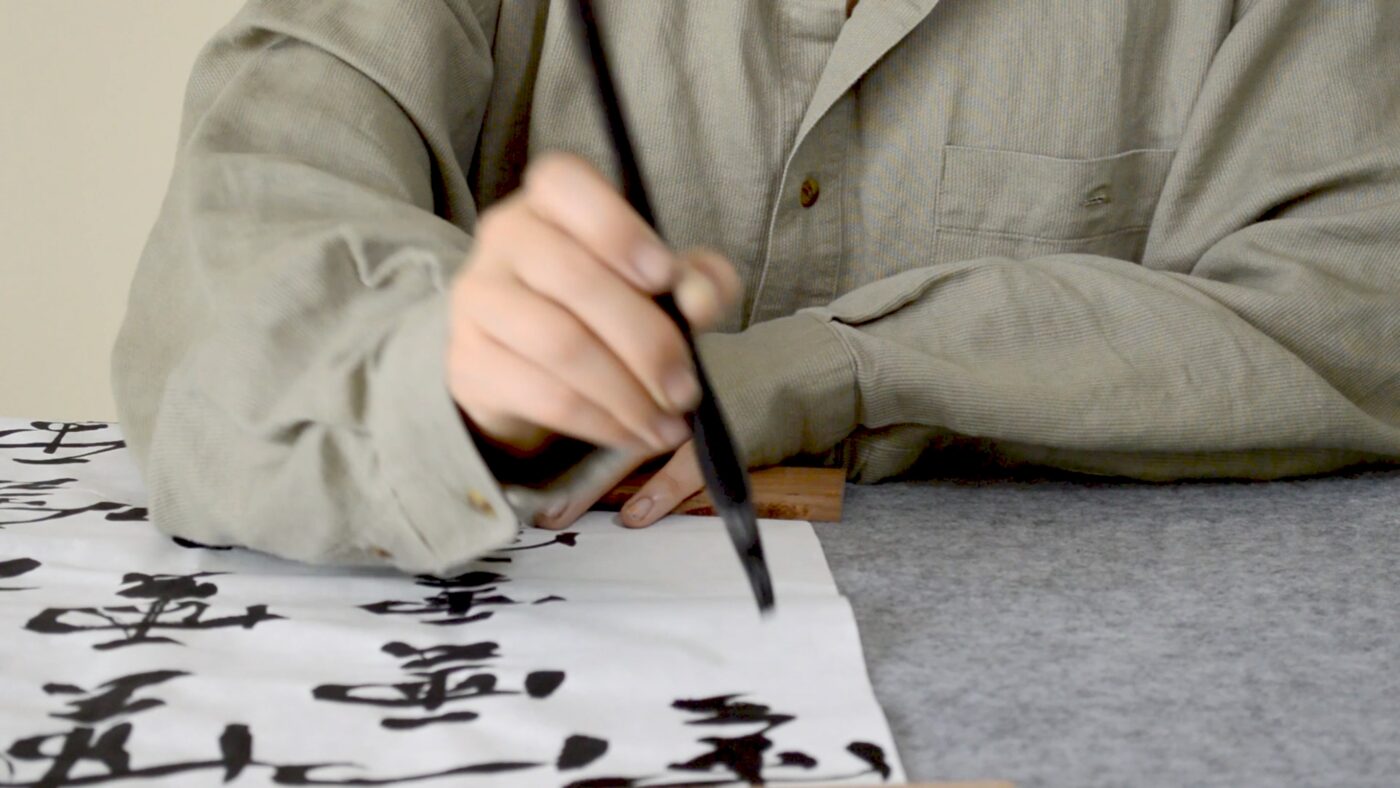
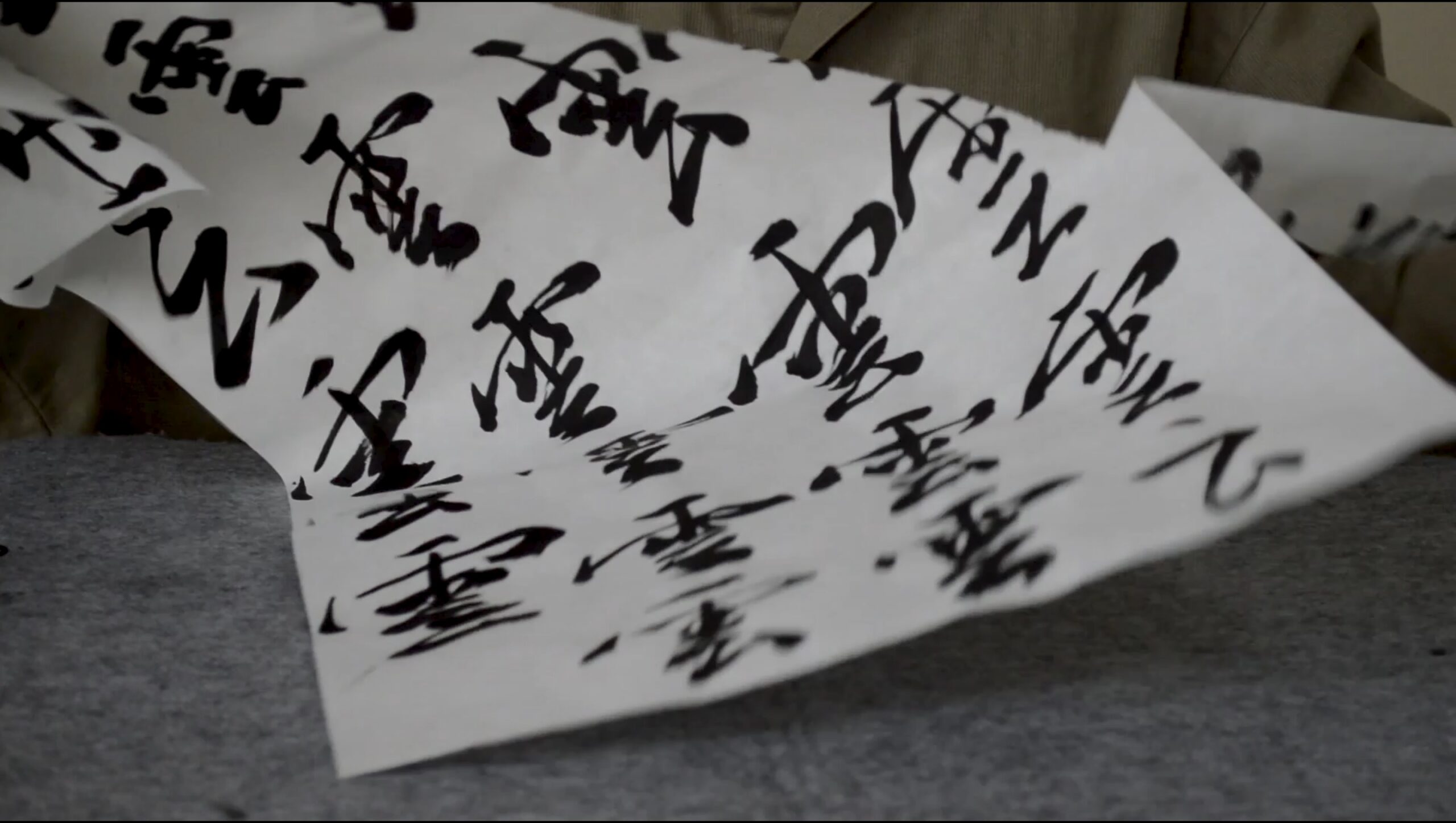
CWC: I capture the essence of freedom by transforming fragile paper into objects with the visual weight of stone. My process begins with the written word; I write ‘clouds’ in Chinese calligraphy on Xuan paper, a traditional carrier of thoughts, then tear, smash, sculpt, and carve that language into a dense, mineral-like material. These stone patterns began as a beautiful accident, but now they serve as a permanent contrast to the ephemeral clouds I initially wrote about.

On Leaving a Body of Work Behind

NYCJW: You mentioned this tension between permanence and ephemerality, especially through language and material. Has there been a project or direction you’ve stepped away from because you weren’t ready to fully carry it forward yet?

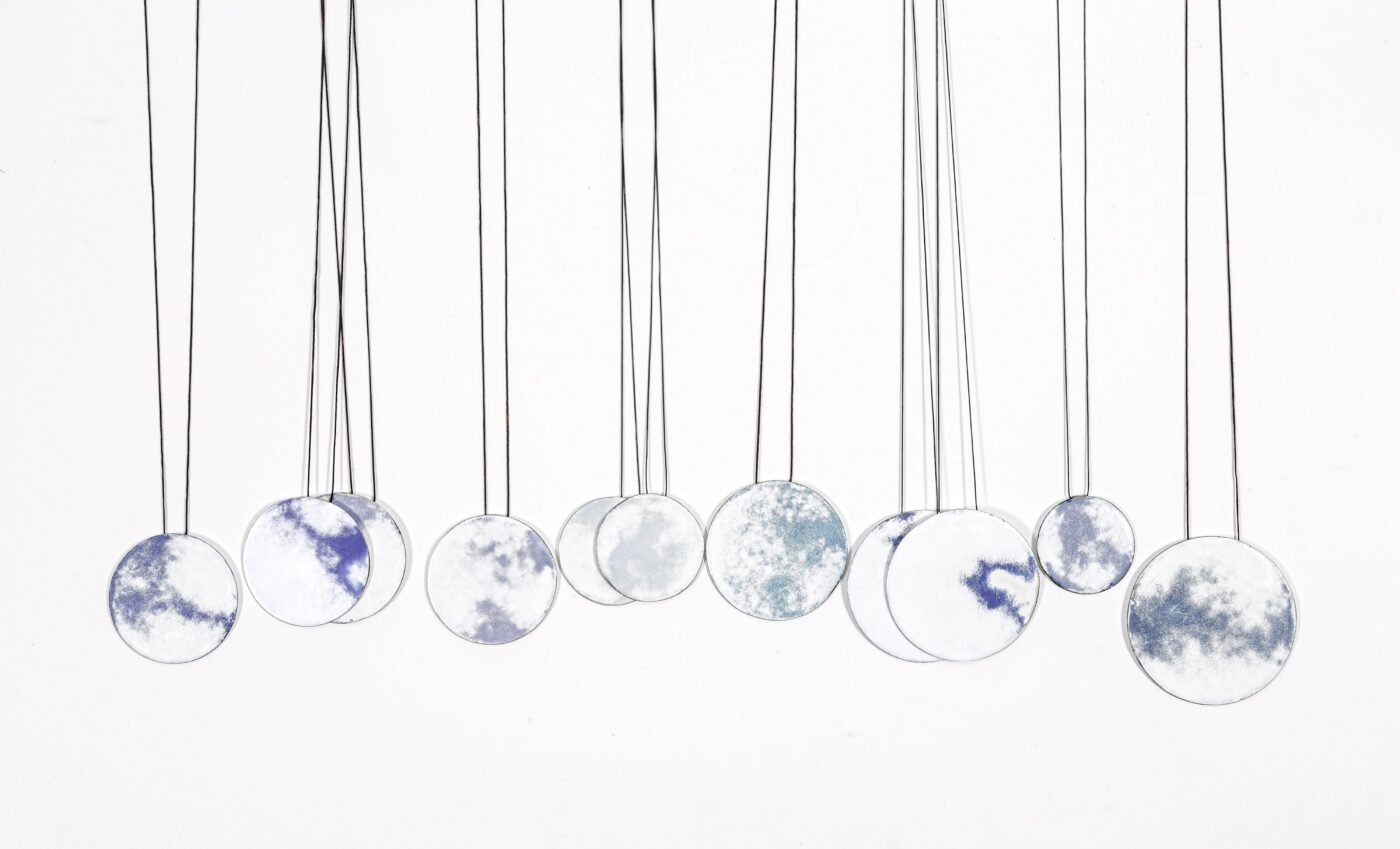
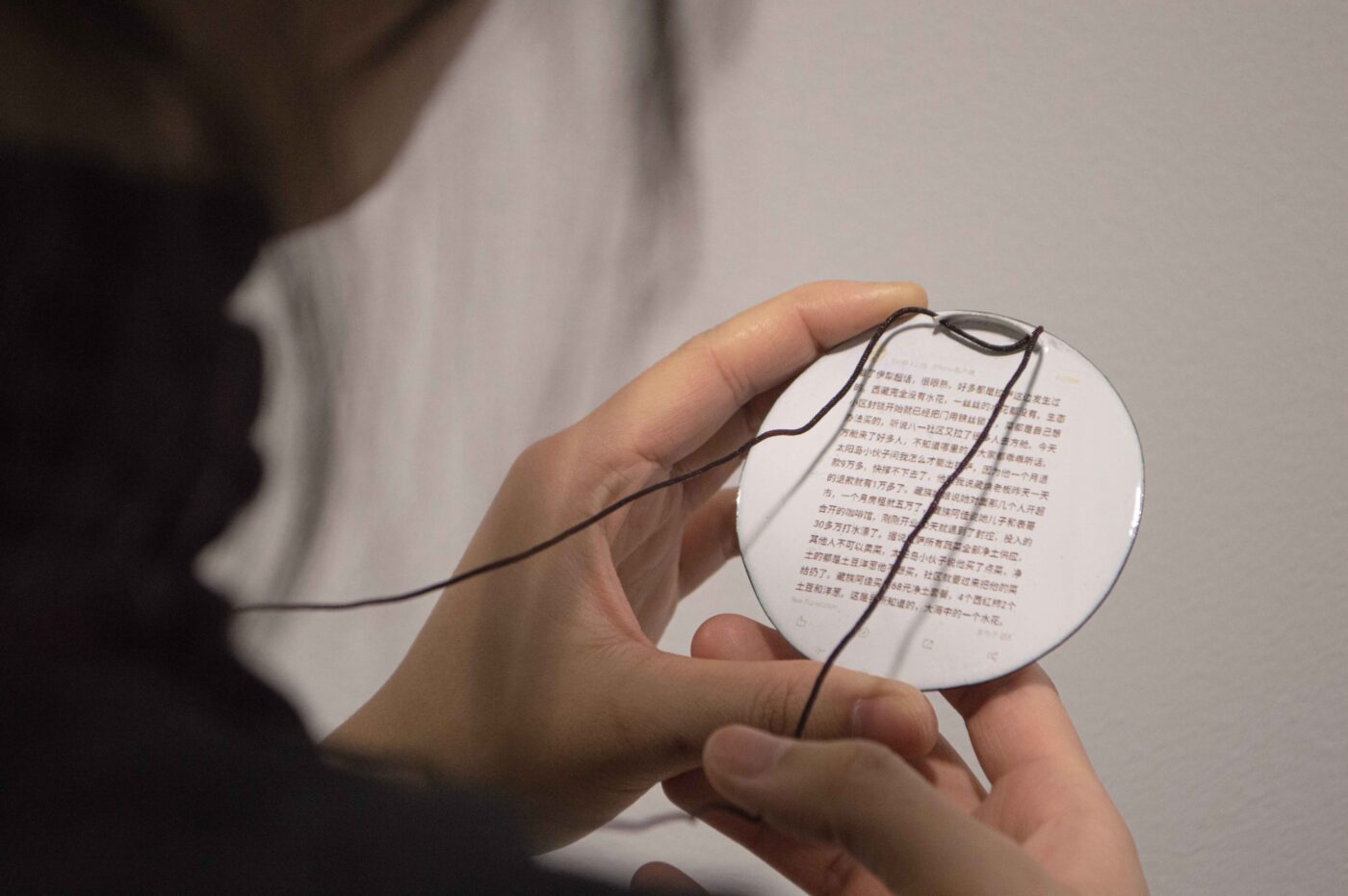
CWC: I have been working on merging enamel with my paper structures, but I had to put the enamel aside for a while. During the pandemic and the lockdowns, my work was intensely political; I used enamel to create ‘clouds’ on the front of my pieces, while the backs were records of censored posts from Chinese social media. It was a heavy, exhausting process of documenting digital voices before they vanished into the circuit signals.

I’m still not quite ready to fully return to it because of the shift in mindset, as I was moving from recorded censorship to the ‘self-so’ freedom of the natural world. It requires a lot of internal space, and it’s difficult to move between those two worlds. Honestly, when you have a flood of ideas, the fear of not finishing either one properly makes it even more difficult to even start. My process involves building up layers of enamel and then painstakingly grinding them back to uncover the intervals of blue and white, and I need the mental clarity to ensure this technique still translates meaningfully to my current focus.

Rethinking Value and Medium

NYCJW: Your practice already feels incredibly tactile and ritualistic. If those same ideas had to move into another medium entirely, where do you think they would naturally belong?

CWC: It would be a culinary or tea experience. My practice is deeply rooted in the natural world, involving the raw and physical labor of writing, tearing, sculpting, dehydrating and carving. It feels right to translate it into a medium that is literally taken from nature. Just as I transform Xuan paper, the product of trees and bamboo into various shapes, food and tea are the direct ways to consume the essence of the earth.

NYCJW: That focus on transformation and process also seems connected to how you think about value. Is there something within the jewelry or art world that you find yourself pushing against?

CWC: I often struggle with the industry’s obsession with the visible craft, where a piece’s value is somehow closely tied to the obvious complexity, cleanliness, or a ‘decent’ choice of materials. As I transform Xuan paper, which is common and relatively cheap, into smooth, polished stones, my immense labor is often invisible. Since the paper isn’t manipulated to show the workload, a viewer might assume I didn’t do anything to it at all. It’s important for me to find value in the conceptual labor and the transformation of the mundane into the extraordinary.

Finding Freedom in Material Practice

NYCJW: Your work seems to carry both emotional and political weight, even when it moves toward nature and abstraction. Was there a moment when you seriously questioned the direction or purpose of your practice?

CWC: In my previous practice, I worked closely with the reality of social media censorship, creating a large body of work to archive voices before they disappeared. While I was lucky not to have endured the extreme lockdowns seen in Shanghai or Urumqi, the weight of those endless cities stayed with me. My doubt was that, if I am not explicitly recording them, what’s the point of creating? I am not sure if I have moved through this doubt so much as I have accepted it.

One cannot ignore the social incidents happening in one’s own community. My current emphasis towards ‘nature’ and the ‘self-so’ freedom of the material is, in part, born from a sense of surrender, or a realization that the weight of documentation can become too heavy to bear. Seeking freedom within the paper and stone might be my way to continue the dialogue when words feel futile, and my strength runs out.

The Ritual Life of Writing

NYCJW: Even with that seriousness, there’s also a sense of irony and humor in the way you talk about language and meaning. If you could make a piece for anyone, who would it be?

CWC: I would create a piece for Sir Humphrey Appleby from Yes, Minister. While my own work prioritizes visual simplicity, I am often amused by his mastery of using ‘decent’ grammar to build sentences with immense complexity that ultimately reveal nothing. I think it would be very funny to create a piece that is exquisitely complex yet completely unintelligible, an elaborate circle, perhaps, and write an artist statement so brilliantly convoluted that it says absolutely nothing at all.

NYCJW: Language clearly sits at the center of your practice, not just conceptually but physically. Are there any materials, texts, or rituals you keep returning to as ongoing sources of inspiration?

CWC: Chinese calligraphy and the pictographic nature of the language are my permanent obsessions. Each character is evolved from the visual observation of the world, offering endless inspiration in its structure and history. Besides, the repetitive ritual of practicing calligraphy, being a part of my practice, is a meditative performance where every stroke demands absolute focus and time.

In Chinese culture, paper with written words is believed to carry the souls and spirits of characters; it is something to be deeply valued. Therefore, all the used calligraphy paper from my practice sessions enters my work through the physical transformation: I take these souls, keep them, and sculpt them into my artworks. This allows the essence of the characters and the energy of my practice to exist permanently in a new form. The ink and the Chinese characters are no longer just on the surface, but have become the internal geology of the object itself.

The Illusion of Stone

NYCJW: Because your work holds so much history, ritual, and material transformation within it, I’m curious what kind of experience you hope people have when they physically encounter it.

CWC: I want to evoke a sense of ‘selflessness’, a moment where the ego fades, and the viewer is simply present with the object. I hope the audience can handle the work and feel the surprising lightness of the ‘stone.’ In my practice, the closed, solid form acts as a contrast to the concept of freedom; I hope this tactile surprise gives them permission to question what they see. I want them to realize that this seemingly heavy mineral is actually a collection of time and language in the form of paper.

Why Paper

NYCJW: That moment of surprise of realizing the “stone” is actually paper feels central to the work. Is there a question you wish people asked more often once they discover that?

CWC: ‘Why paper?’ Most people see the stone pattern and assume it’s a mineral. I even got questions like ‘where did you source the stone?’ When I tell them it’s paper, the conversation shifts from aesthetics to the history of the material, its social weight, and the process of writing and forming.

To me, paper exists in a state of duality. On one hand, it is a historical vessel for thoughts and language, often carrying a heavy social weight, a theme I previously explored through the lens of censorship. It is a representative medium that records history, yet remains vulnerable to being redacted or erased. On the other hand, the duality lies in the performance of my making. My process begins with the ritual of practicing calligraphy and writing clouds, embedding these fluid, intangible imageries physically onto the paper. By then tearing, sculpting, and carving that pulp into ‘stones,’ I transform this act of ritual into a permanent, wearable form.

The Recurring Question of Freedom

NYCJW: That duality between fragility and permanence, freedom and containment, seems to thread through everything you make. When you look across your practice as a whole, what keeps resurfacing no matter the form?

CWC: Freedom. Whether it is the fluid freedom of a cloud or the internal freedom of thought, it is the recurring theme that connects everything I make. It keeps appearing because I am interested in how we position ourselves in a world where freedom feels increasingly distant, nature as well. To me, freedom is a state of ‘self-so’. It’s the effort to remain as open and untamed as the materials I sculpt, finding a way to exist authentically even when the modern world attempts to fix us in place.


About One for the Future (OFTF)
One for the Future celebrates the next generation of jewelry and creative industry professionals. Each year, the program recognizes honorees for their innovation, craftsmanship, and/or unique perspectives and connects them with mentorship, exposure, and opportunities to engage with collectors and industry leaders worldwide.

Enjoyed this piece? Explore more jewelry content from Future Heirloom!