What Carries Forward: An Interview with Lucia B. Martí

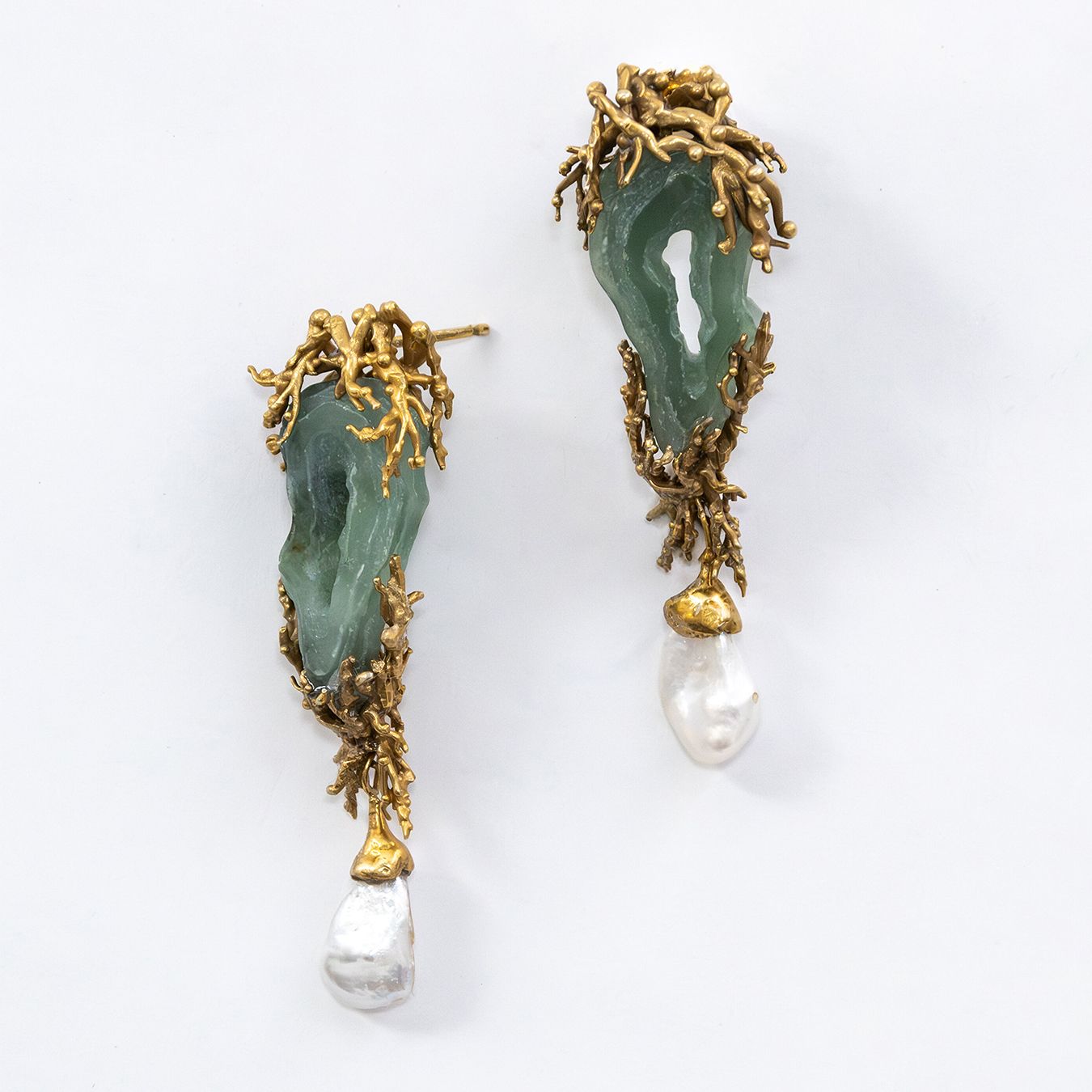
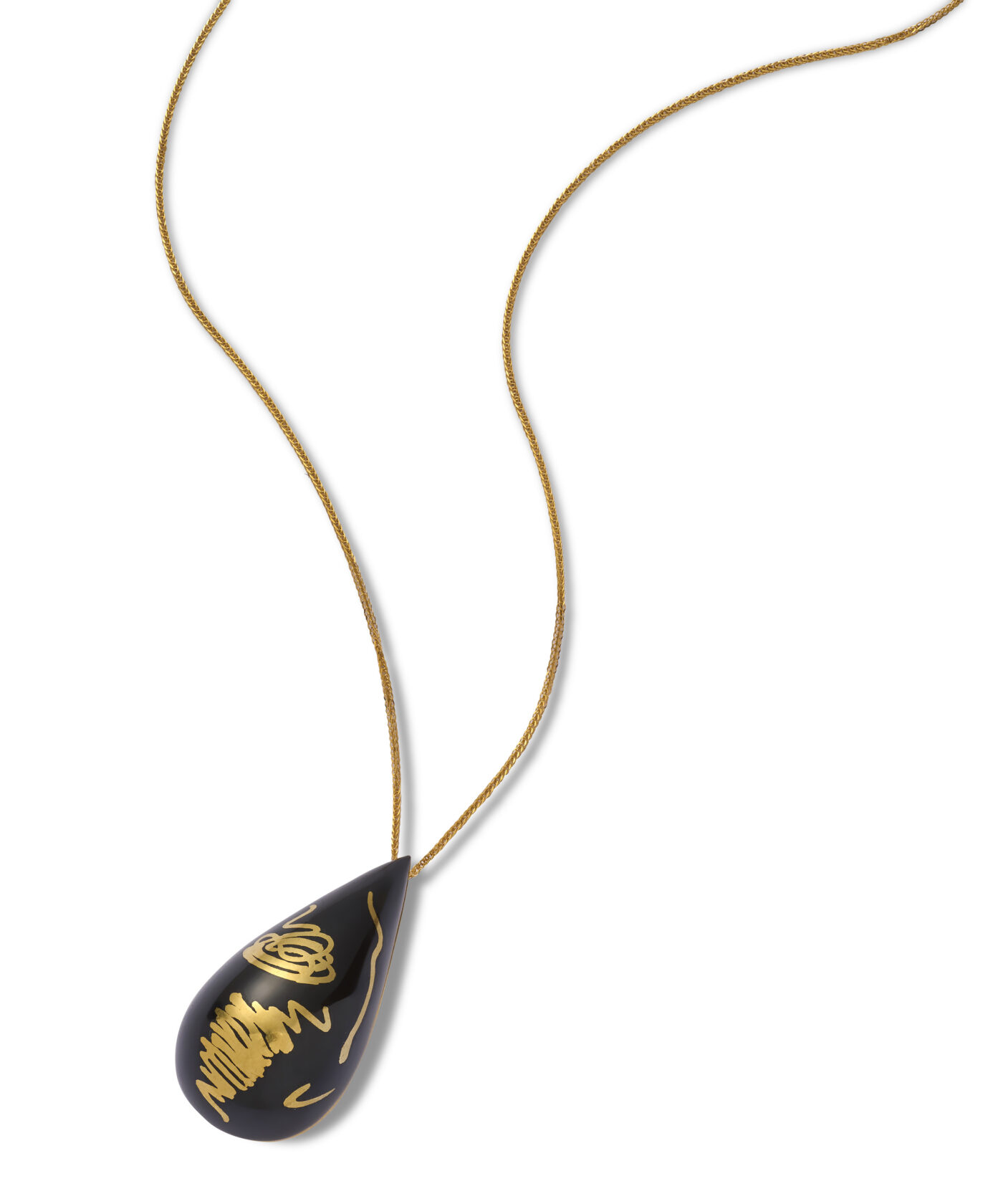
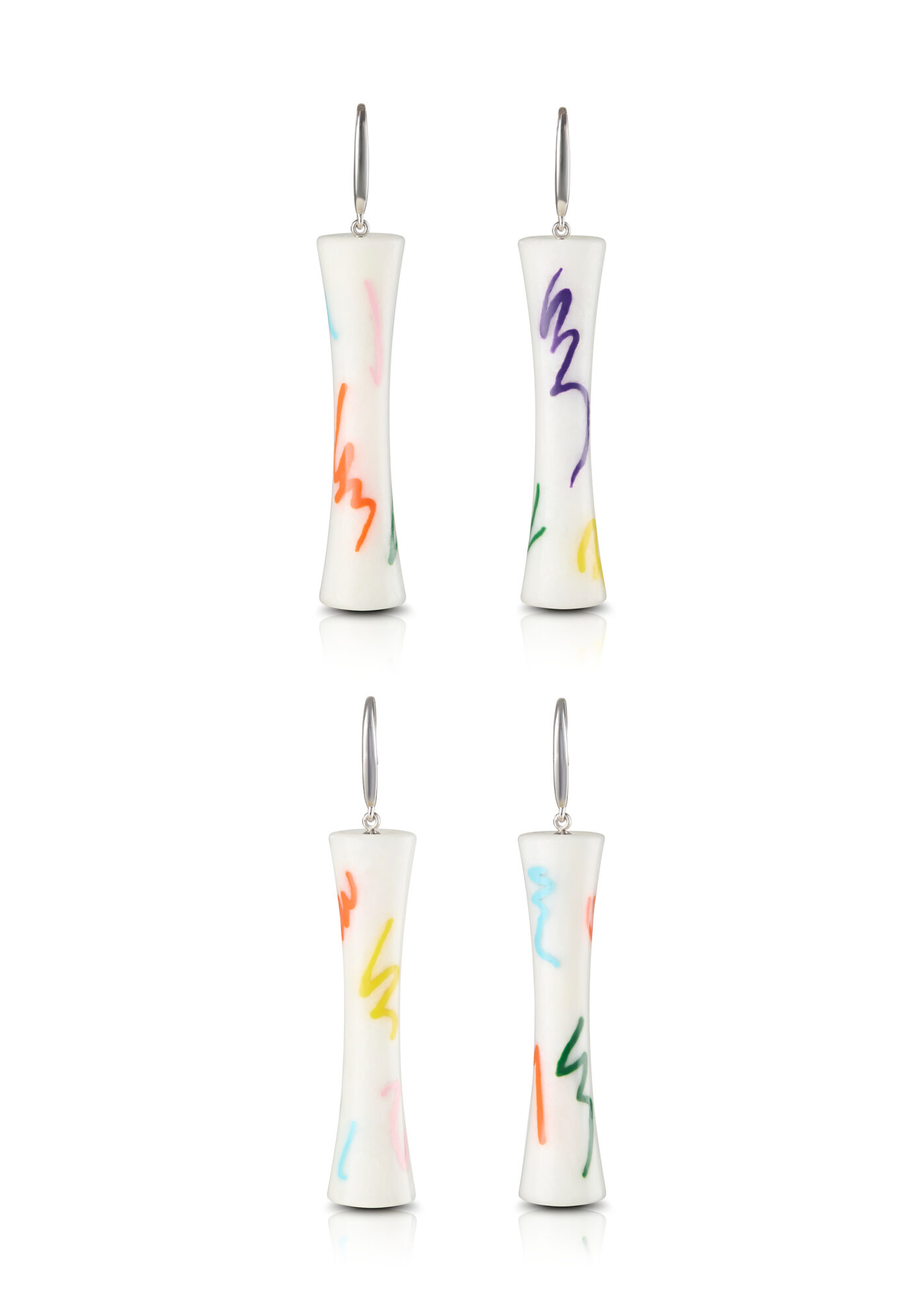
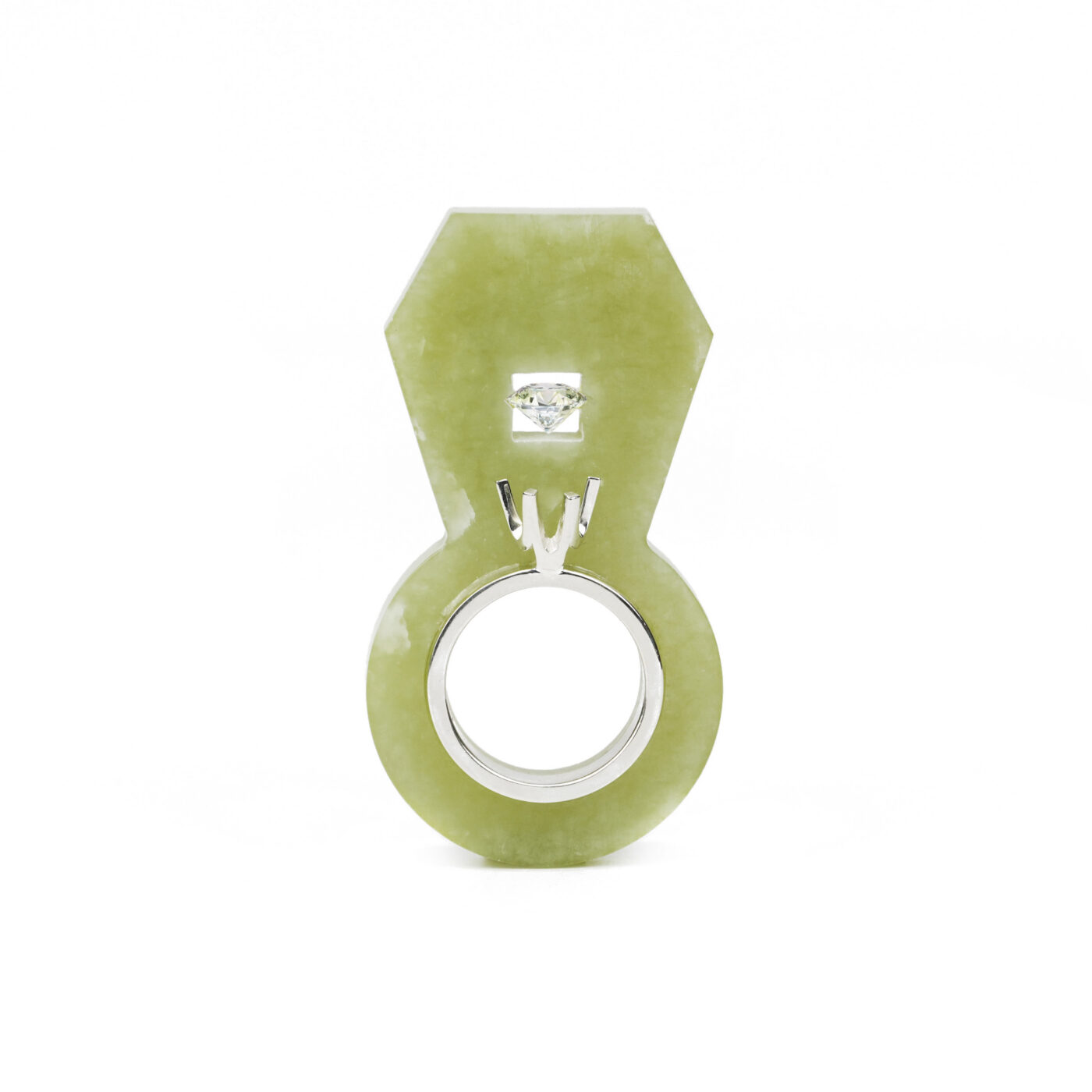
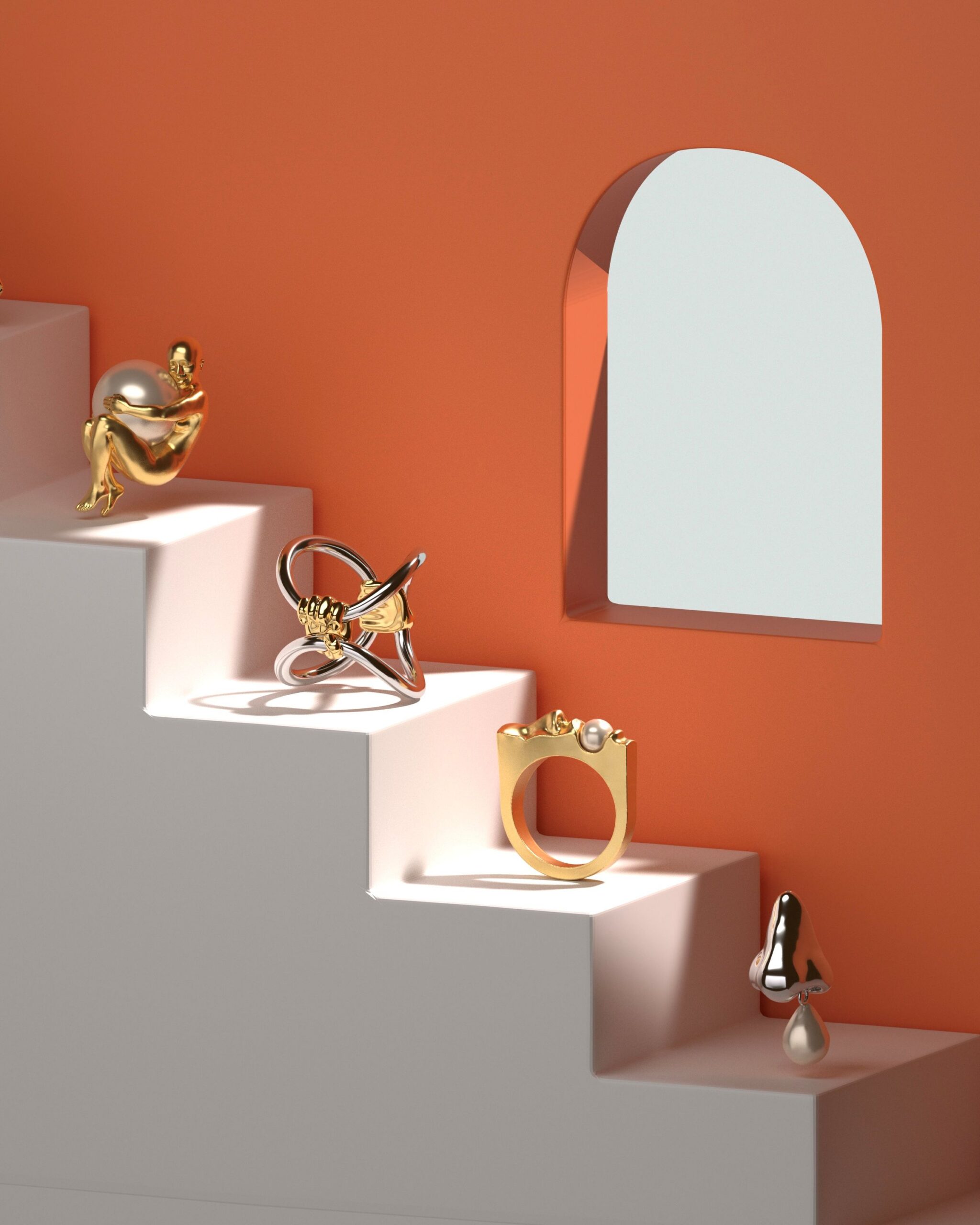
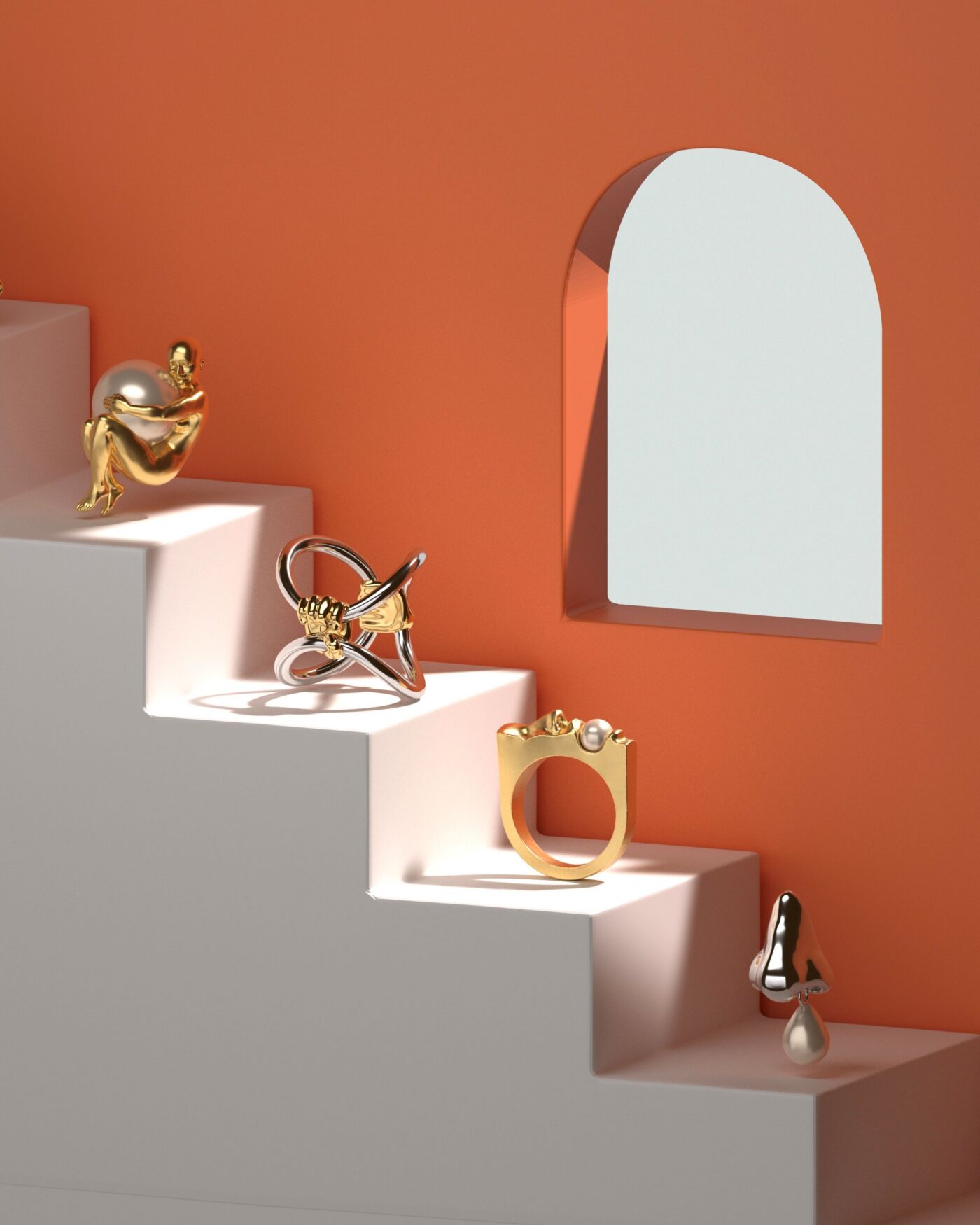
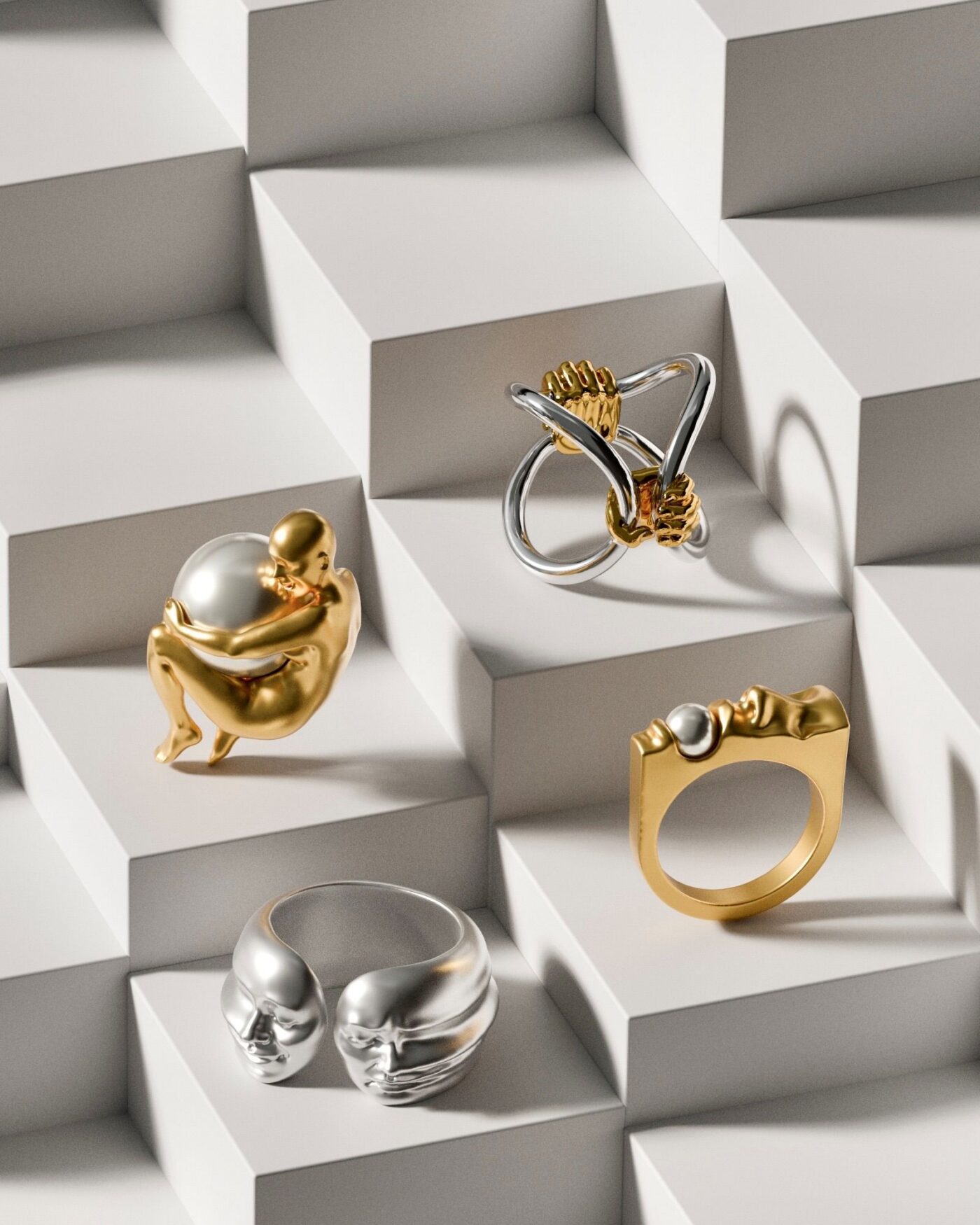
We sat down with Puerto Rico–born jewelry designer Lucia B. Martí. Her work is rooted in a lifelong fascination with beauty, craftsmanship, and the emotional weight of objects that are meant to be kept. Raised in San Juan, Lucia’s earliest memories of jewelry come from exploring fine pieces alongside her mother. This was an experience that sparked a lasting curiosity about design and the people behind it.

She went on to study Jewelry Design at the Savannah College of Art and Design. Lucia later became Diamond Certified through the GIA in New York City. Today, her practice sits at the intersection of tradition and innovation, where each piece is designed not only to be worn but to be cherished and passed down.

In our conversation, Lucia reflects on storytelling through materials, the evolving language of her work, and the enduring power of jewelry as a form of self-expression and memory.
On Longevity and Becoming a Jeweler

Give us your elevator pitch—how would you define your practice and the world of jewelry you’re building?

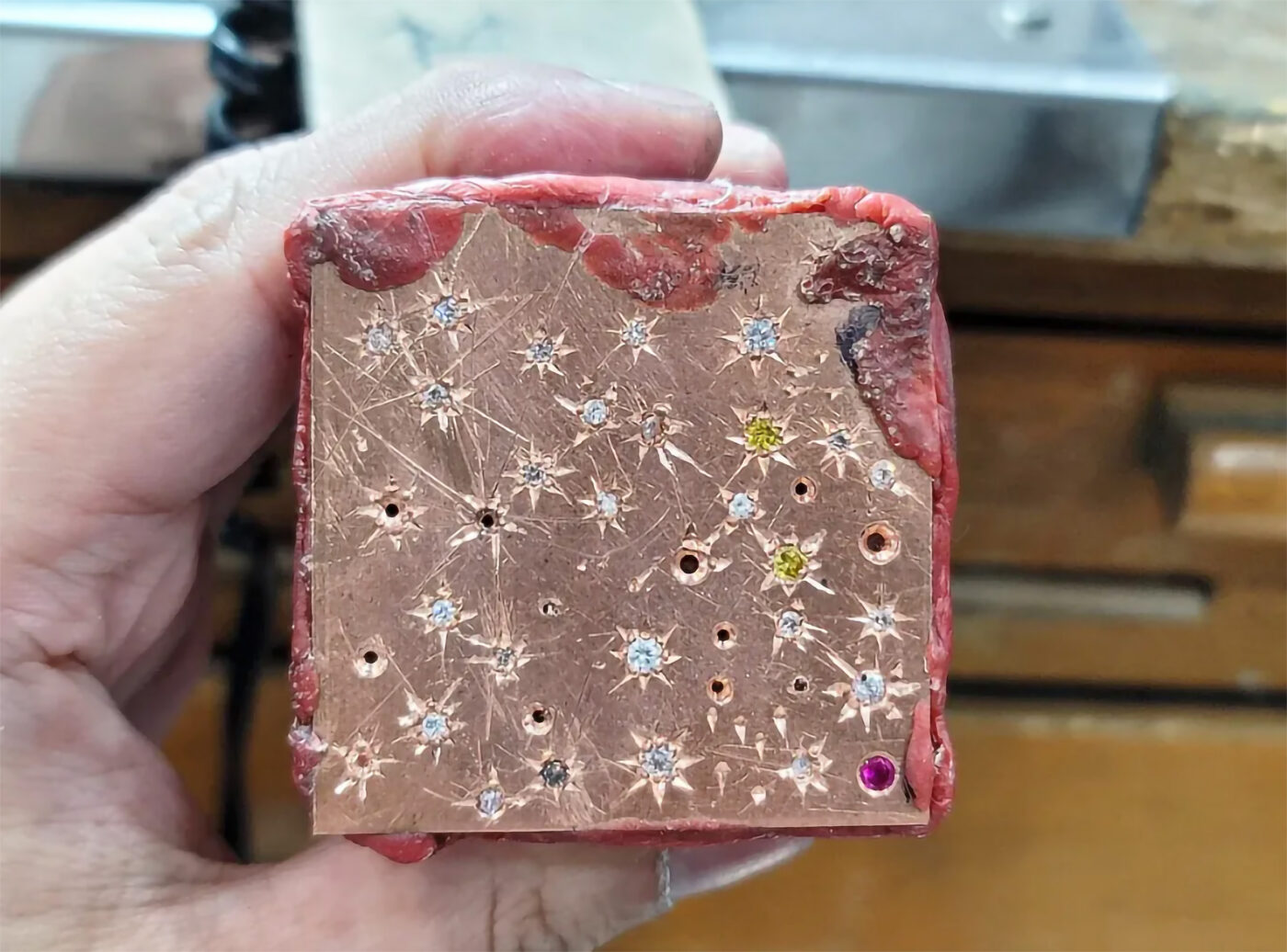
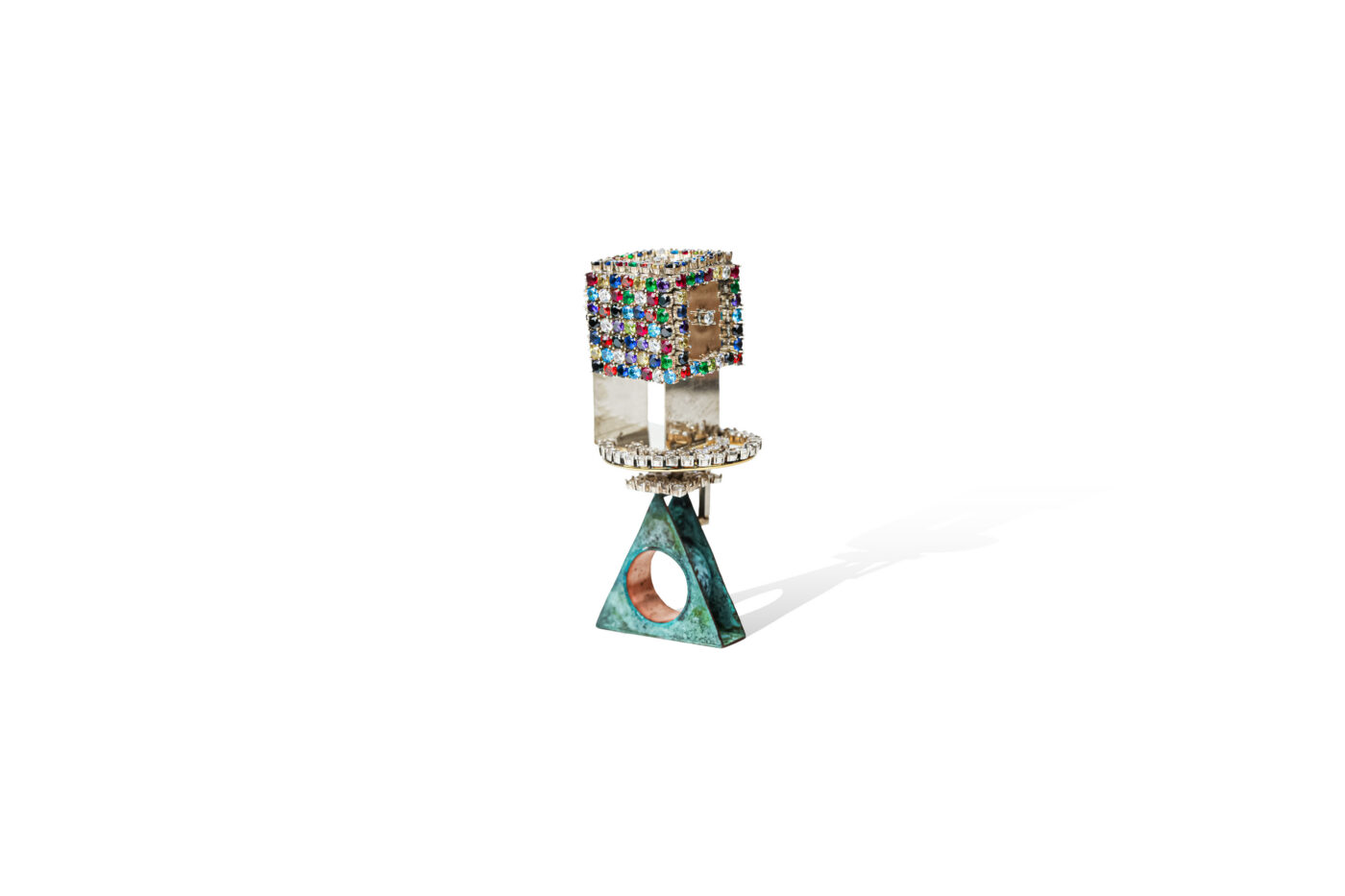
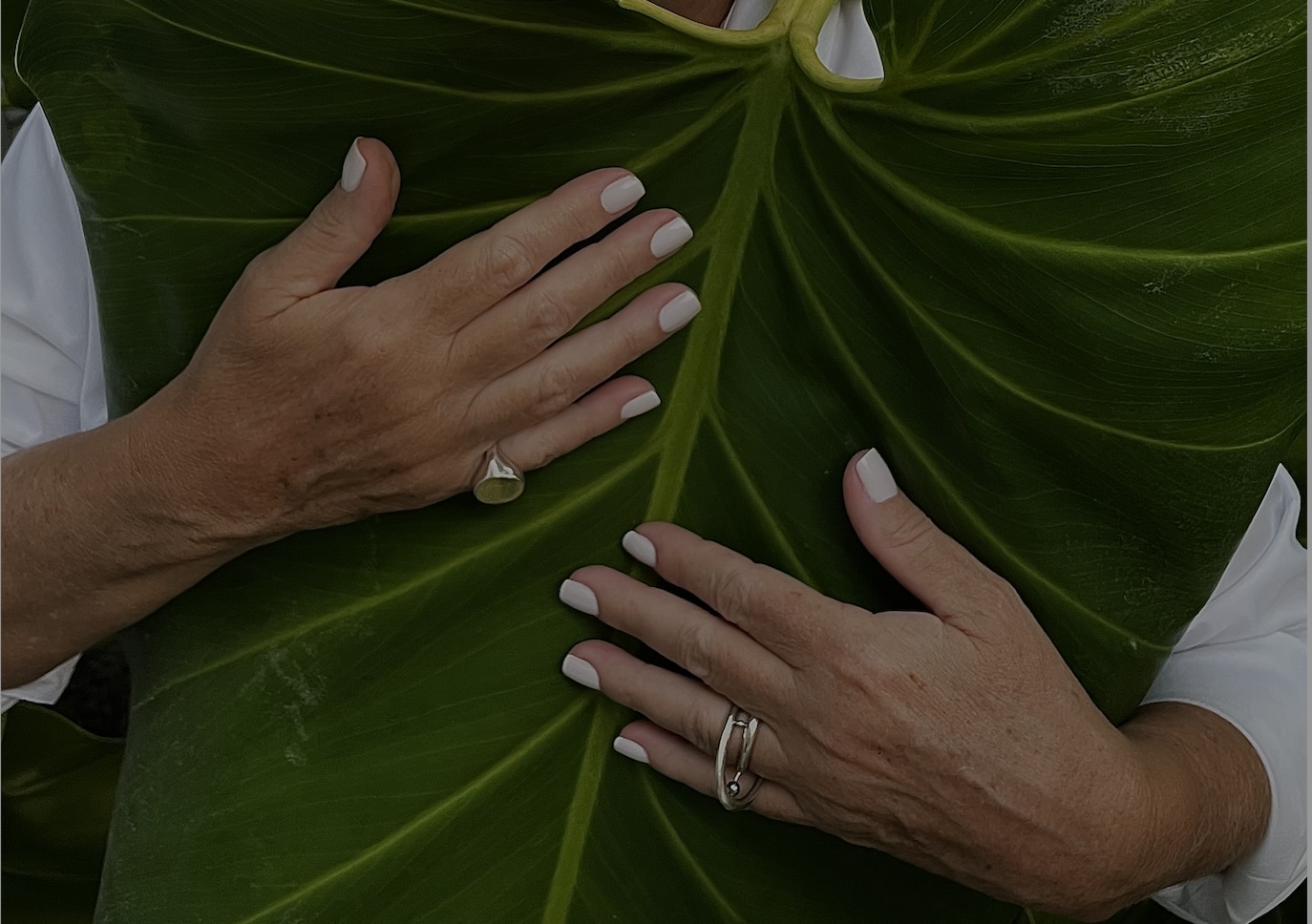
Jewelry, to me, is about longevity. It is about what we carry, what we pass down, and how meaning becomes encoded over time. That idea shaped my thesis at SCAD, where I created a collection inspired by genetics and the evolving science that allows us to alter it. My interest began early, watching my mother, a former hand model, try on jewelry. I was captivated by the craftsmanship of each piece. Learning about the designers and seeing their names alongside their work sparked my own path into jewelry.

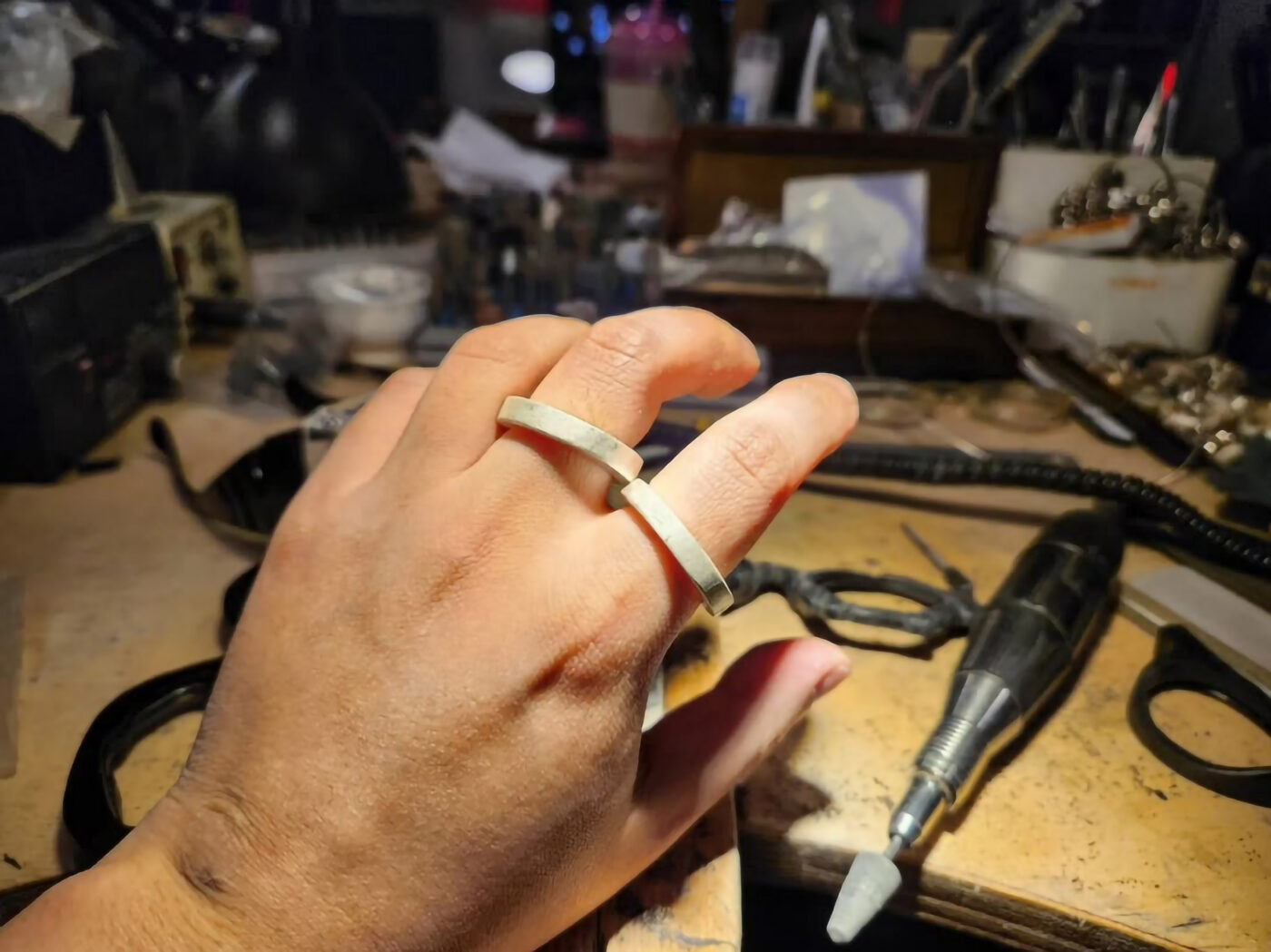
After SCAD, I did the Graduate Diamonds Program at GIA in New York. Later, I worked in a casting company, gaining hands-on experience in production. Which helped me refine both my technical skills and creative voice. Today, alongside designing and managing my own brand, Lucia B. Marti, I am the Head Bench Jeweler at Fitzgerald Jewelry. There, I design, repair, and create custom pieces from the bench up. Gathering all my knowledge to create pieces like the ones I was once mesmerized by.
Scaling the Language of Jewelry

What’s a project, object, or idea you’ve had to shelve for now—and what made it feel premature?

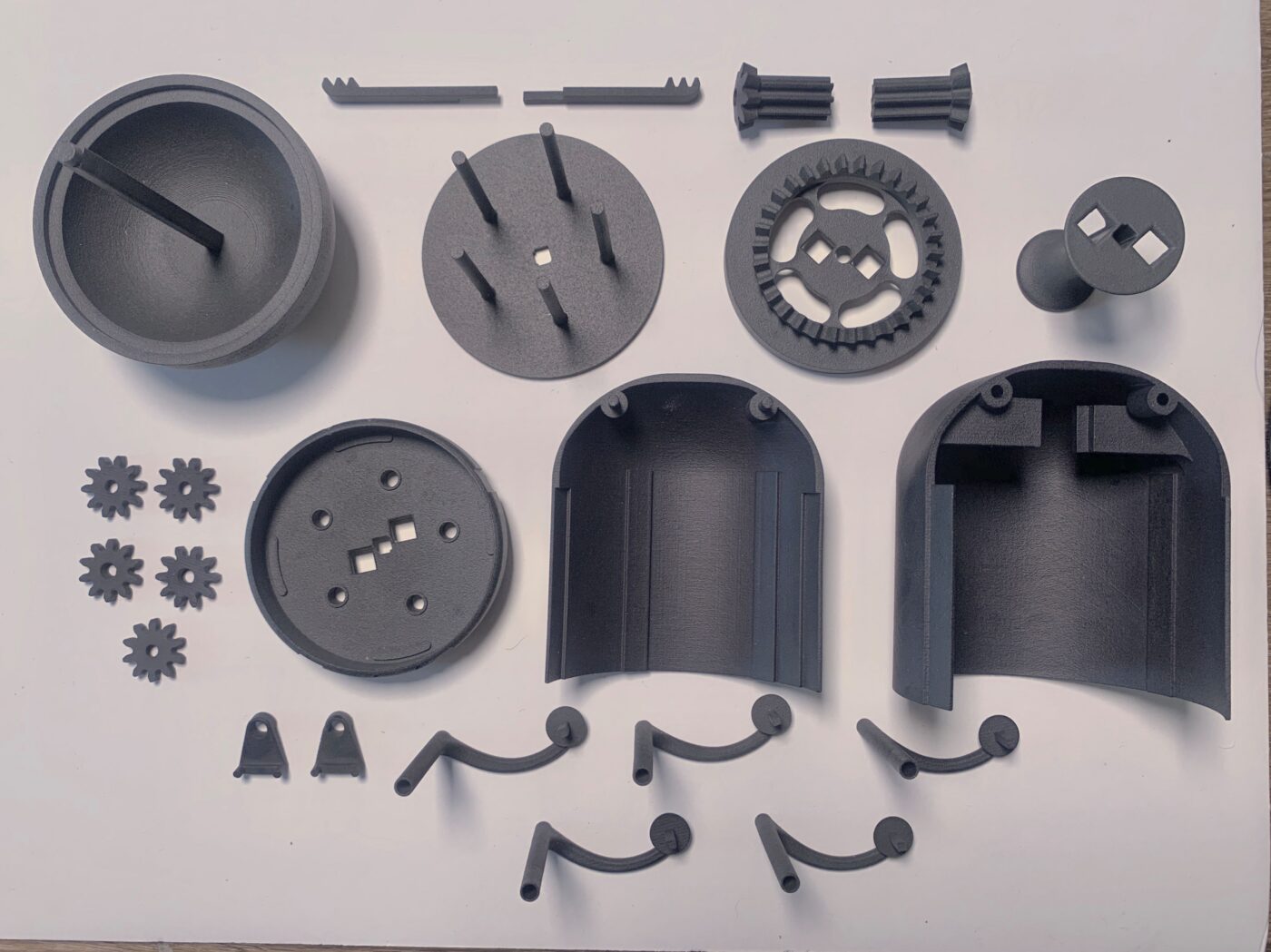
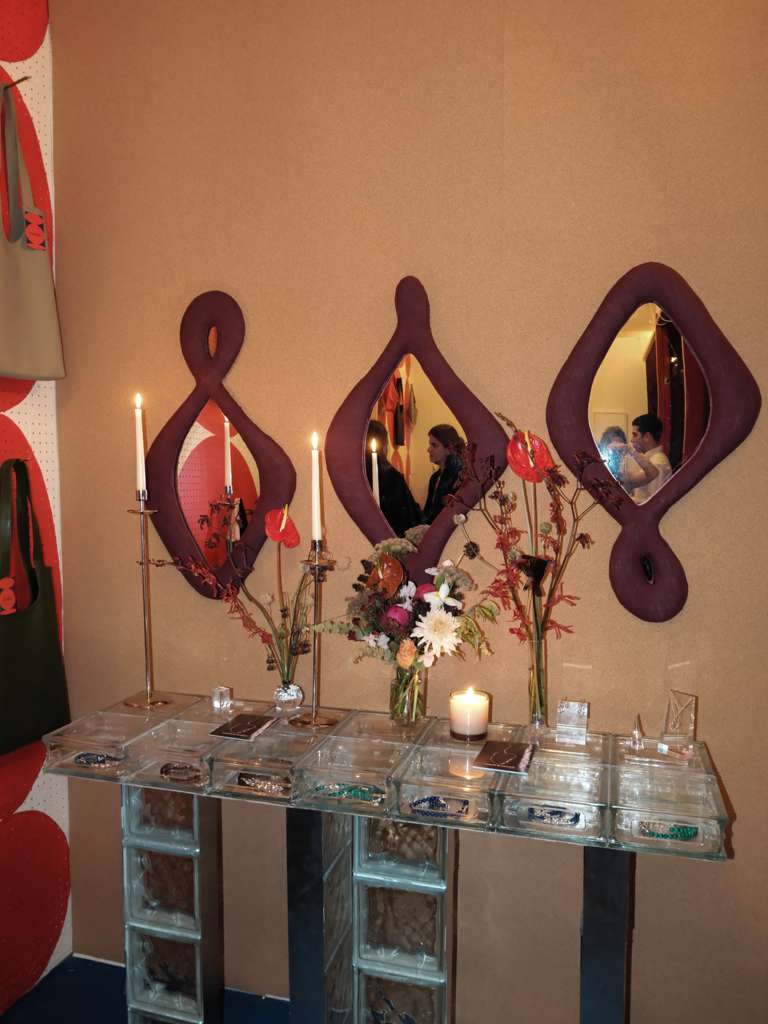
As a jewelry designer, I am usually focused on creating wearable pieces, mostly on a smaller scale. But I’ve always had the desire to scale them up, expanding my design language not only onto the wearer’s body, but into their surroundings. I began exploring this during my first pop-up in New York at Santos by Monica. With the help of my friend and collaborator, industrial designer Carol Pieters, we created three mirror frames featuring my signature helix. Using acrylic, foam, and fabric, these became early prototypes for what could evolve into a larger body of work in home decor. With my experience in industrial materials and processes still evolving, this collaboration with Carol offered an important glimpse into a direction I want to pursue. Learning as much as possible before I make that leap.
Future Forms and Open Practices

If your work existed outside of jewelry, what form would it take?

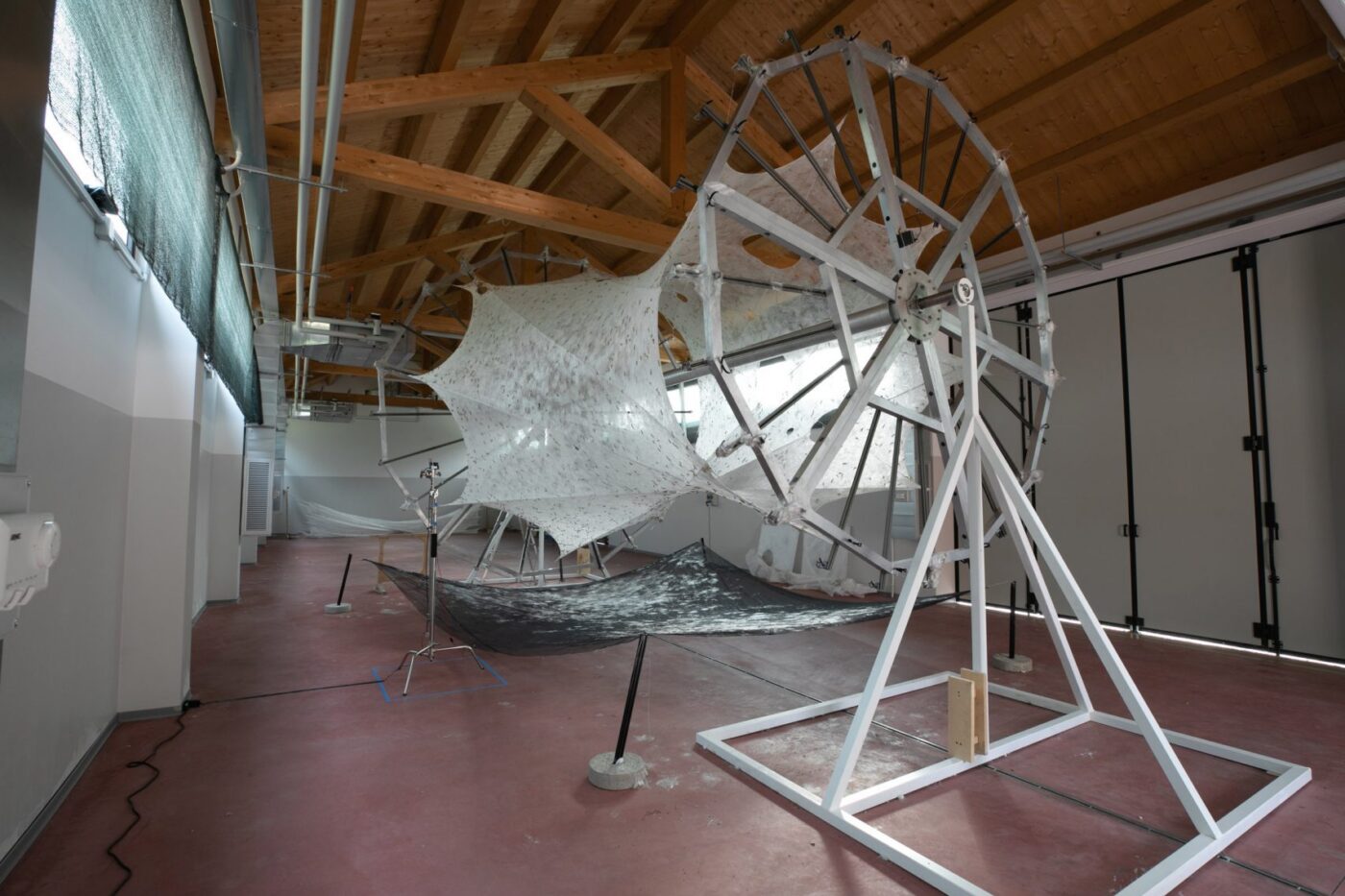
Having been inspired by the nuances in science—how medicine has evolved and how the genetic code has been decoded—I have always looked to the future for inspiration. What is the future? What does it look like? This has led me to the works of Zaha Hadid, Santiago Calatrava, and most importantly, Neri Oxman, who has revolutionized architecture as we know it.

They are forward thinkers who use nature as inspiration, simplifying it into its most essential curves to create beautiful structures. Inspired by Neri’s Silk Pavilion II. I would love to explore the opportunity to create a structure based on my signature X bead by using the natural formation of pearls. Finding a way to mimic that process at a larger scale, allowing it to grow or form organically. I can only imagine the luster it would hold. Ultimately, I envision transforming it into what could only be a small LBM shop.

What convention in your field do you find yourself questioning?

One convention I do not subscribe to is the gatekeeping in the jewelry industry. As someone who wants everyone to succeed, I’ve never believed in withholding information. I approach my work with the belief that what you put out comes back to you… So generosity, collaboration, and openness are core values in both my practice and how I move through the industry. Kindness and positivity will always be my north.

On Doubt and Decision-Making

When was the last moment of creative doubt—and how did you move through it?

Unfortunately, as a creative, doubt is part of my everyday life. Without a linear path or a clear ladder to follow, it tends to creep into everything. Most recently, I was doubting whether to restock on the same packaging I’ve been using since launching the brand or design new packaging. One option was more cost-effective, while the other felt like an opportunity for a fresh direction. Part of me was nostalgic, while another part knew it was time for a change. Moments like this often lead to decision paralysis, which I’ve learned to reframe. I recognize that with each doubt, I should pause, allowing me to step back and make more intentional decisions. This mindset has helped me become more decisive and make thoughtful decisions about where I want my brand to go, including new and improved packaging.
Icons, Influence, and Building Legacy

If you could make a piece for a historical or fictional figure, who would it be?

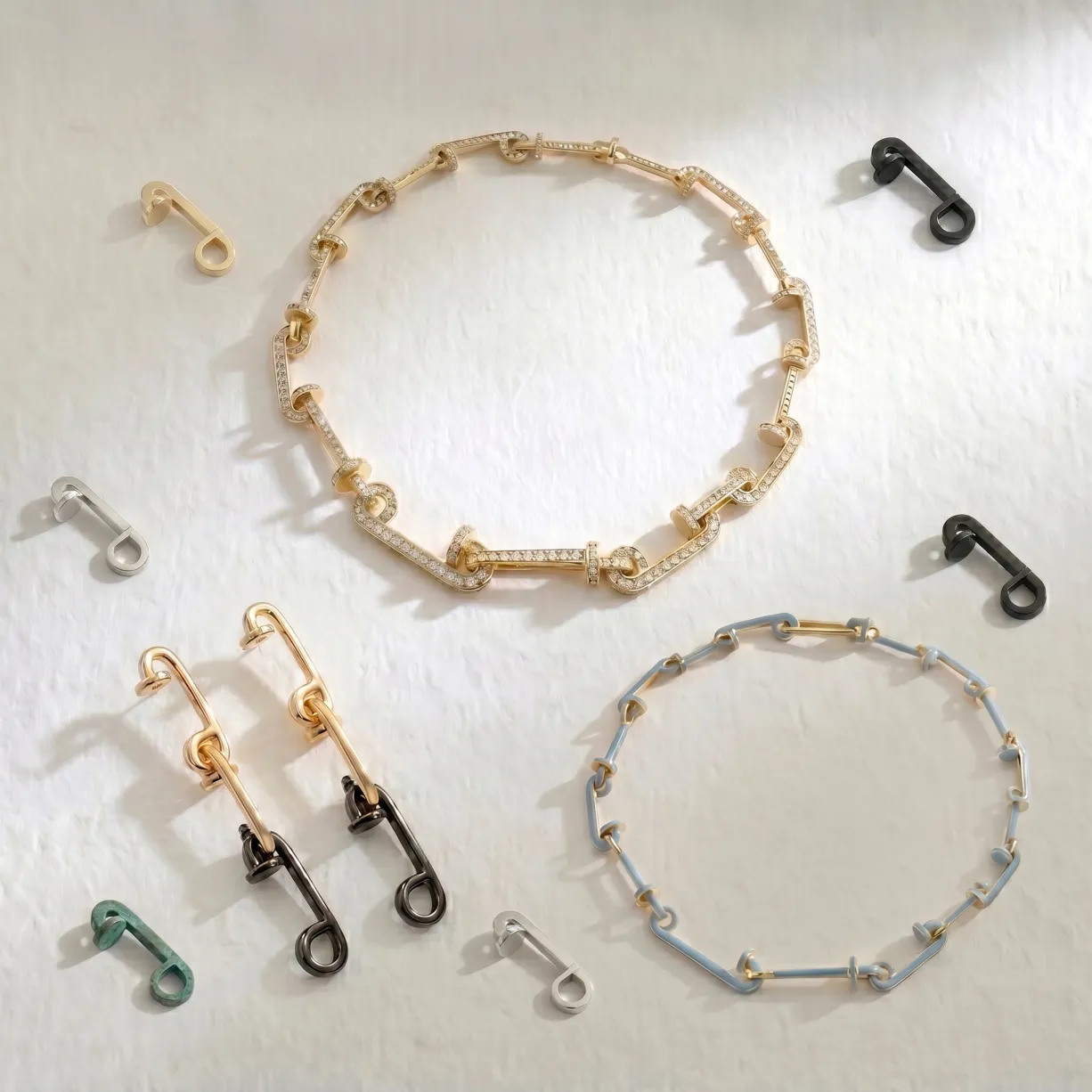
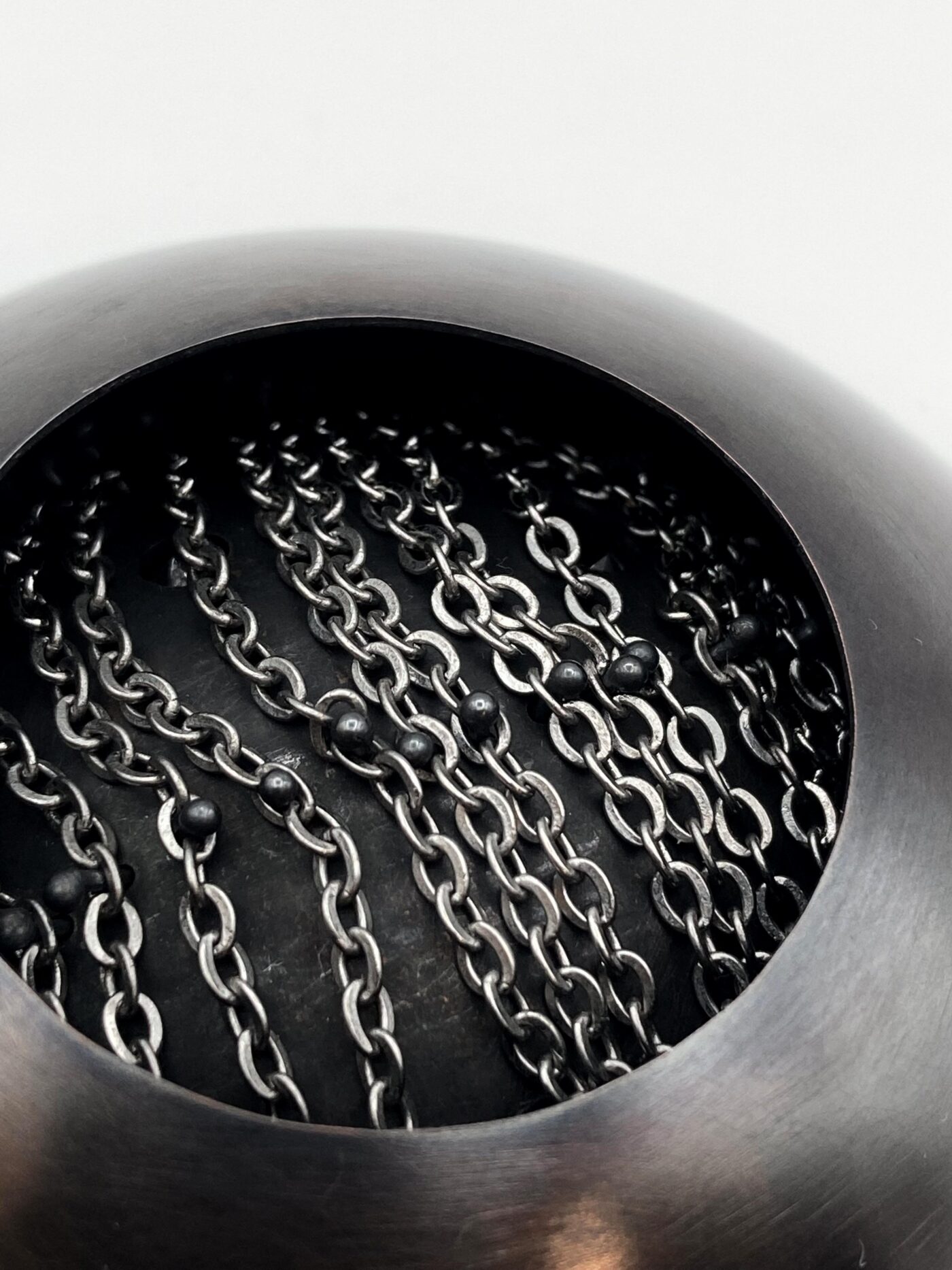
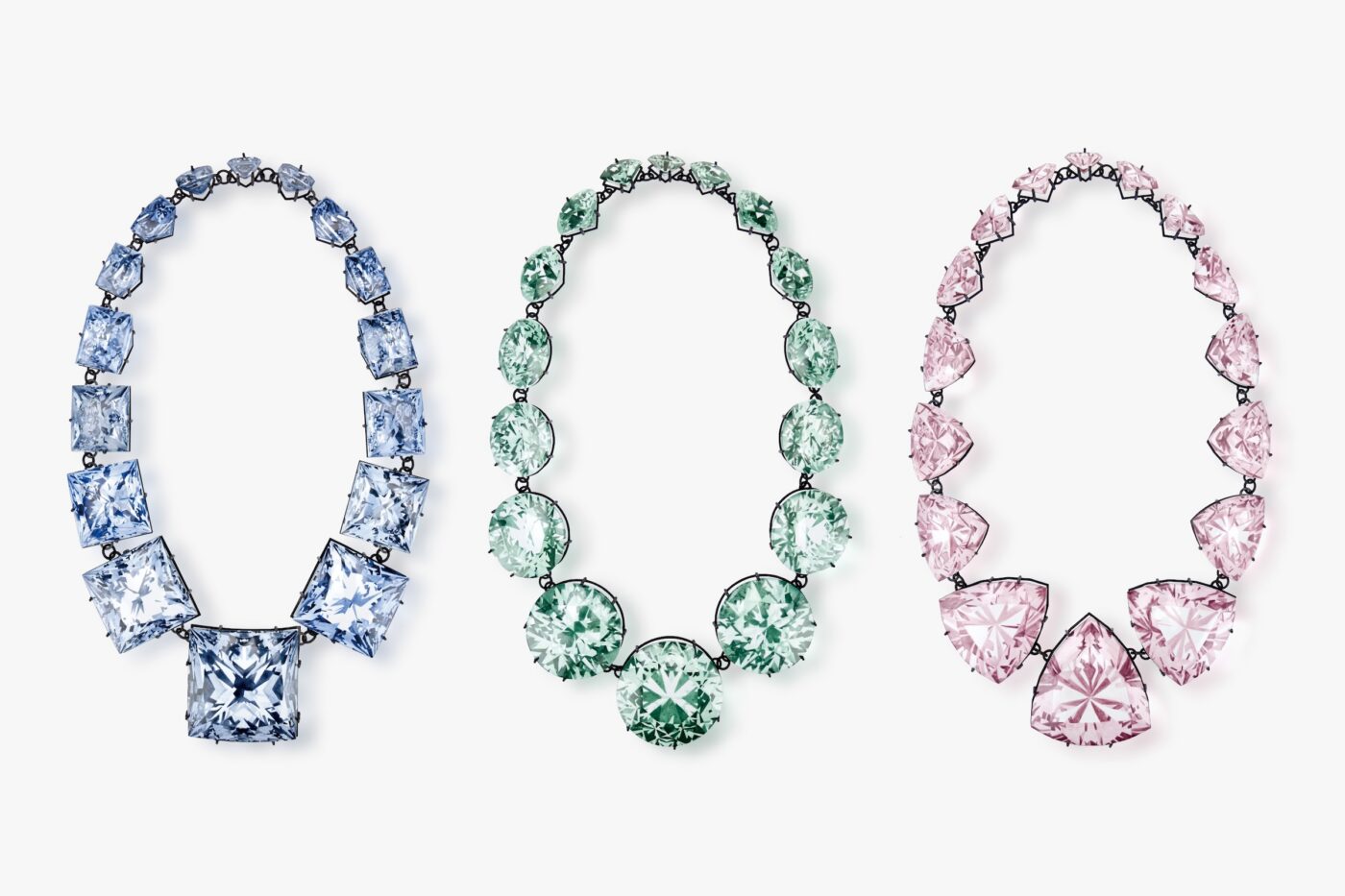
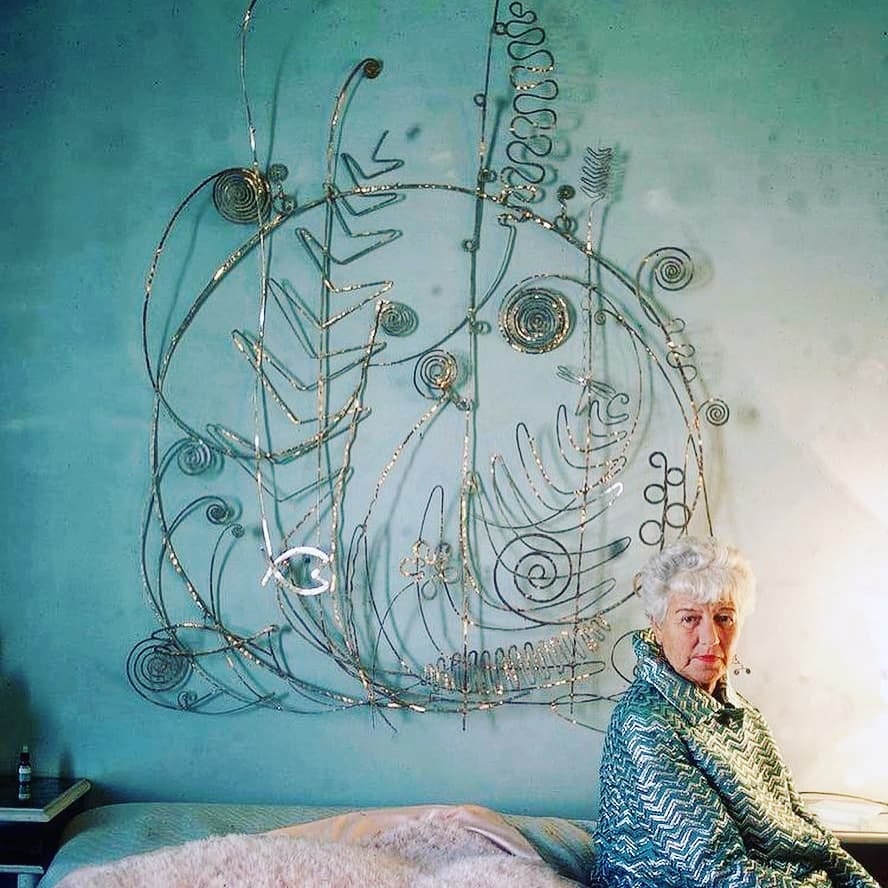
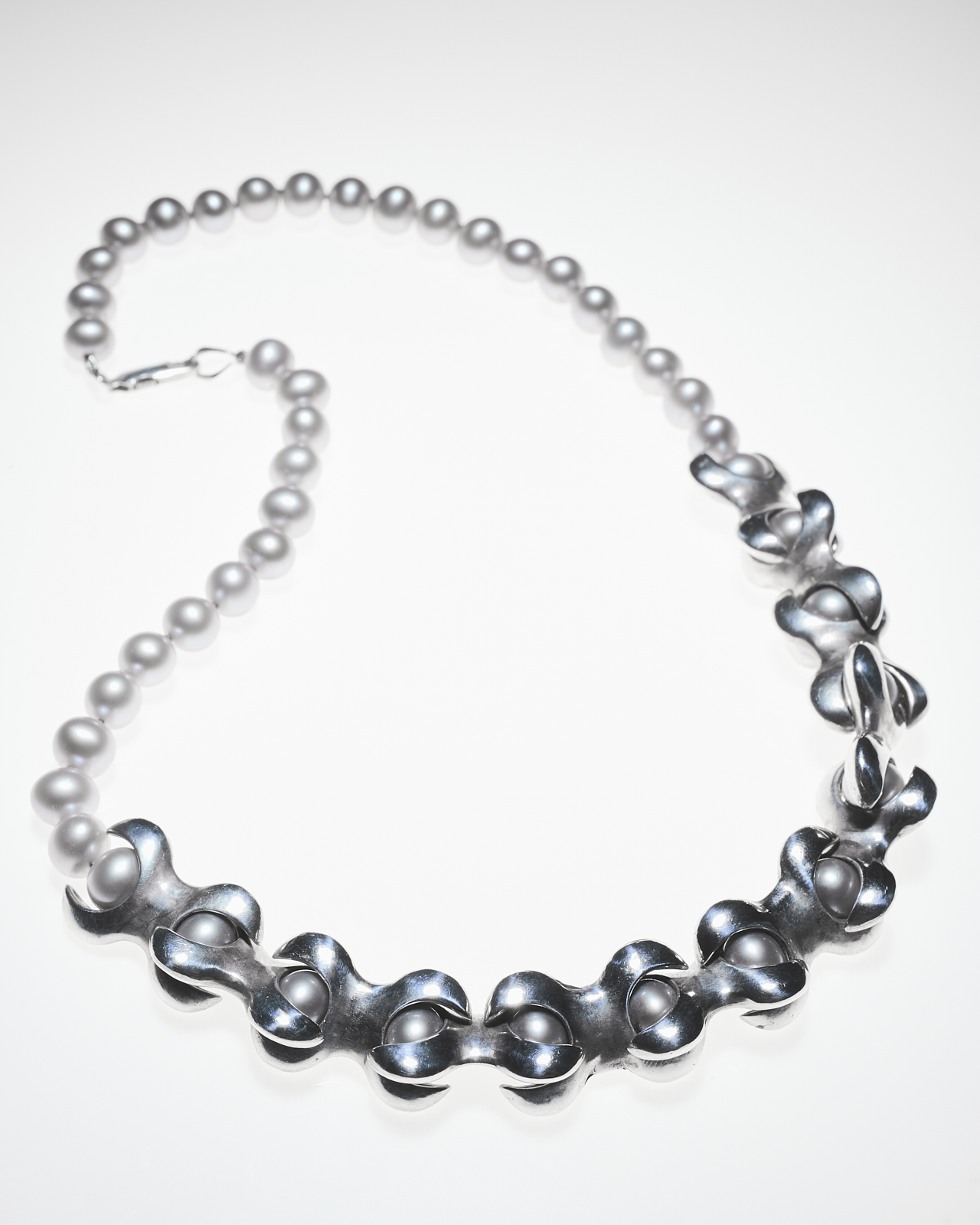
As someone who deeply appreciates art and those who advocate for artists, the person who always comes to mind is Peggy Guggenheim. She was always looking toward the future. Her taste and financial power allowed her to champion emerging artists who are now foundational to art history, even commissioning works from Alexander Calder for her home. She truly saw potential and bet on it. As for what I would create for her, I imagine something like a bib, reminiscent of those worn by Ruth Bader Ginsburg. I would want it to be both bold and elegant, almost like placing a spotlight on her. Using my custom links, I would create a chainmail that wraps around her neck, resembling a modern-day warrior and patron of the arts.

What’s something outside of jewelry currently shaping your thinking?

One text that has been particularly inspiring to me recently is The Cartiers. It explores how, from humble beginnings, the Cartier family built an empire, crafting jewelry for some of the most influential people in the world and creating iconic pieces like the “Love Bracelet”. For me, it’s not just about the history of the house, but the structure behind its longevity: how a brand is built, sustained, and recognized across generations. I hope that by studying the Cartier family’s journey, I can better understand how to shape my own path in this industry and, ultimately, build a brand of my own.
Intention, Individuality, and Connection

What do you want someone to feel when they encounter your work?

I want the wearer to feel as though they are truly wearing something one of a kind. There is a quiet, almost sublime sense of pride that comes with wearing something unique, and that is what I hope anyone who engages with my work experiences. More than that, I hope it gives them permission to feel seen in something intentional and singular—to trust that what they are wearing was made with care and purpose. For me, that response is the measure of success. If someone feels that sense of individuality and connection, it means I’ve done my job as a designer.
On Family, Memory, and What Endures

What question do you wish you were asked more often?

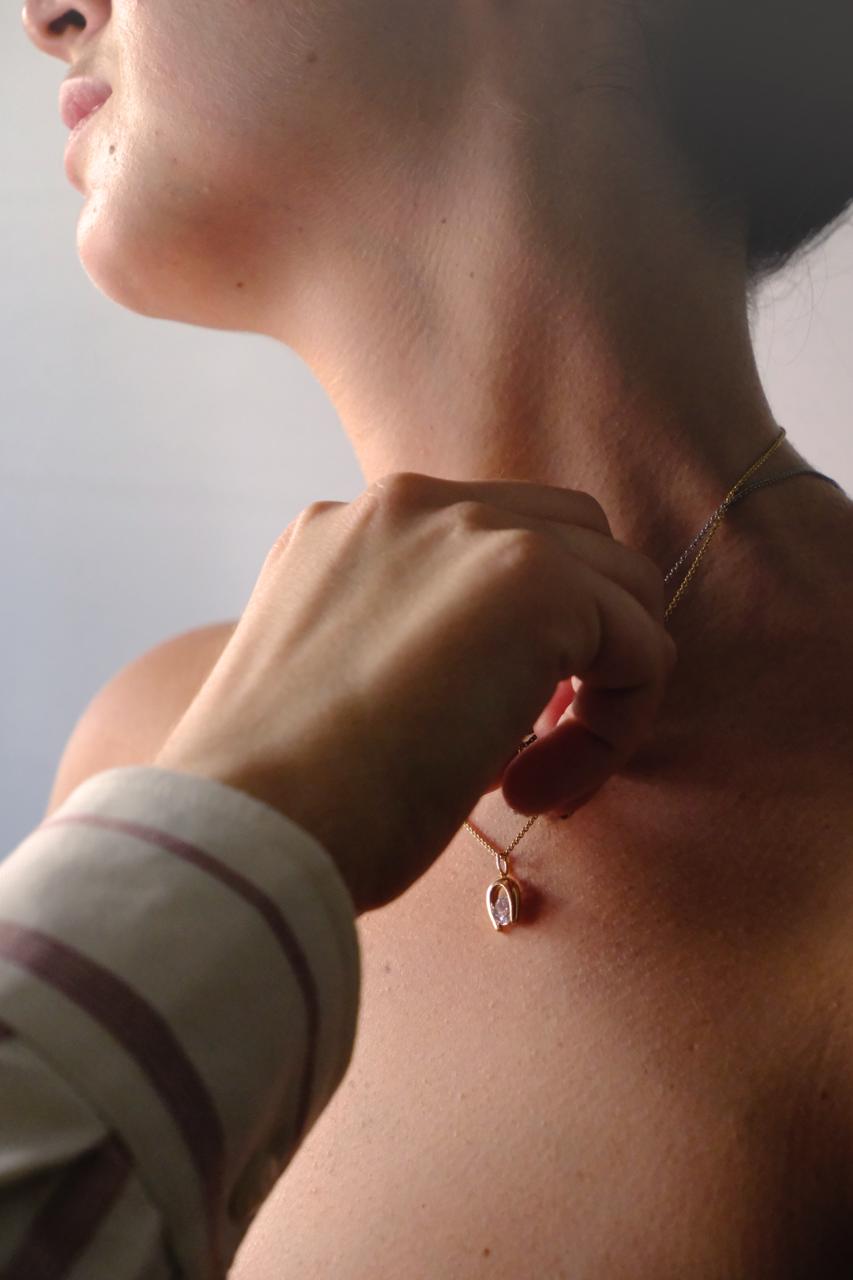
The question I think is not asked of me enough is: Where does my motivation come from? The answer has and will always be my family. I was incredibly lucky to have been born and raised on the island of Puerto Rico. I am first-generation Cuban-Puerto Rican on my father’s side. Both of my grandfathers left Spain and Cuba to build new lives in Puerto Rico, and I carry that history with me. I am proud of where I come from, and of how jewelry has ultimately led me to where I am today, New York City.

What theme continues to surface in your work, even when you’re not looking for it?

I would say jewelry’s longevity. Even before I started creating jewelry, I was always amazed by how it could be passed down through generations. My dream is for each of my pieces to be worn across generations, becoming modern heirlooms that can be passed down and create lives of their own over time. Inevitably, outlasting the wearer, I aim to create pieces that not only endure physically but also in design. Pieces that will be carried and cherished for generations to come.


About One for the Future (OFTF)
One for the Future celebrates the next generation of jewelry and creative industry professionals. Each year, the program recognizes honorees for their innovation, craftsmanship, and/or unique perspectives and connects them with mentorship, exposure, and opportunities to engage with collectors and industry leaders worldwide.

Enjoyed this piece? Explore more jewelry content from Future Heirloom!
Holding Memory: An Interview with Gabriella Botelho

We sat down with Gabriella Botelho, a New York City–based jewelry designer and 2026–2027 One for the Future honoree, whose practice bridges traditional craftsmanship and contemporary design. With a B.F.A. in Jewelry from Savannah College of Art and Design (SCAD), she brings hands-on bench experience alongside digital CAD tools. Her work explores material, form, and cultural influence through a refined and evolving design language. Since graduating, she has worked with established jewelry brands as a designer, continuing to expand her approach through new techniques, materials, and collaborative processes.

The Story Behind the Work

NYCJW: To kick things off, what would you say is the story behind your work?

GB: My work explores jewelry as an emotional object that holds identity and meaning beyond its material value. I approach design through both traditional craftsmanship and contemporary processes, allowing me to move fluidly between hand-making and digital development. Whether I’m working with precious materials or experimenting with form, I’m always thinking about how a piece will live with someone and how it might hold significance far beyond its initial creation.

Work on Hold, Ideas in Progress

NYCJW: Is there something you’ve been interested in making but haven’t gotten around to yet?

GB: I’ve been drawn to the idea of painting jewelry the way historical portraiture paintings do. I imagine zooming in on a single piece, like an earring or clasp, and rendering it in oil paint with the same care and attention given to classical bust portraits. It’s a shift from gouache jewelry hand rendering into something more personal on the body. I think I wasn’t ready for it because it requires time away from jewelry design and making. It’s something I’d like to return to when I can give it that level of focus.

Rethinking Scale and Meaning

NYCJW: If your work didn’t exist as jewelry at all, what other form do you think it would naturally take

GB: If my work moved into another medium, it would become furniture. I grew up surrounded by architecture through my parents’ practice, and I’ve always been drawn to the way larger forms exist in space and interact with people. Jewelry and furniture both interact with people and the human form. Woodworking, in particular, feels like a natural extension of jewelry-making because there’s still precision, structure, and an attention to detail, just on a different scale. Growing up around architect parents, I would tour many homes and buildings, and I often found myself most captivated by a beautiful chair or dresser in these beautifully designed homes. Those moments spark ideas about how I might translate my design language into larger forms.

NYCJW: Is there something people often assume about jewelry that you don’t really agree with?

GB: I think there’s a tendency to reduce jewelry to fashion or surface-level adornment, when in reality it serves a much deeper purpose. Jewelry often carries emotional weight, representing love, memory, identity, or loss. Whether it’s a gift between people, a cultural object, or something worn daily, it is personal, and its meaning goes far beyond aesthetics. For me, the sentimental value of a piece will always outweigh the value of the materials. A simple object can tell a story and hold history, and that’s what makes jewelry powerful.

Creative Doubt, Perspective, and Designing for Character

NYCJW: Can you think of a recent moment where you felt unsure about your creative direction?

GB: One of the most challenging moments of creative doubt came when I began designing within the structure of a brand. It forced me to rethink how I approach creativity, not just personal expression, but as something that has to resonate with others. Designing for yourself allows complete freedom, but designing for a brand requires listening, observing, and understanding what people are drawn to. This ultimately expanded my perspective and creative bubble. I learned how to balance innovation with consistency, and how to create work that feels new while still staying true to a brand’s core identity.

NYCJW: If you could design something for a real or fictional figure, who comes to mind?

GB: I’ve never thought about designing for a fictional or historical figure. I would maybe design a piece for Princess Diana. There was a quiet strength and emotional depth to her presence, and I would want to create something that reflects both her softness and resilience. I imagine a piece that feels intimate rather than overtly regal, that reveals complexity the longer you look at it. It wouldn’t be about grandeur, but about humanity.

Exploring Stones and Transparency

NYCJW: Is there something unusual you’re currently really interested in—like a material or technique—that you keep coming back to?

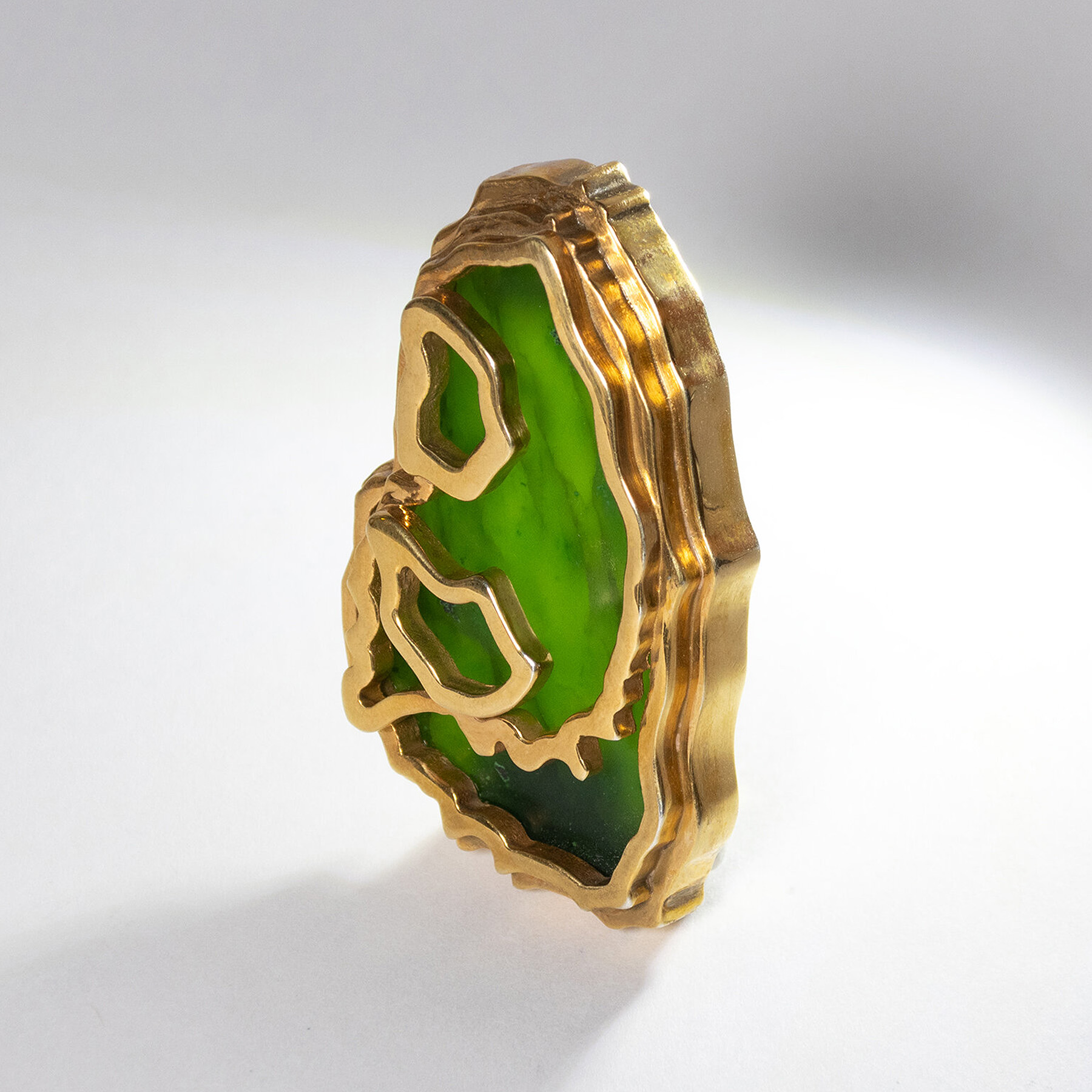
GB: Right now, I’m really interested in playing with layering stones. Setting one within or beneath another so that they interact through transparency, color, and light. I’m drawn to the contrast between opaque and translucent materials, and how different cuts can coexist. I would love to play more with the relationships between gemstones.

Jewelry as Memory and Connection

NYCJW: When someone wears or interacts with your work, how do you hope it lands with them emotionally or personally?

GB: I want people to connect with something personal when they engage with my work. Jewelry has the ability to hold memory in a very intimate way. I think about that through my own experience, like wearing my West Indian bayras every day. These gold bangles represent a blend of African, Indian, and South American traditions rooted in Caribbean tradition. For me, they represent heritage and identity. I hope my work gives people permission to value that kind of connection, to see jewelry not just as something to wear but as something to feel.

Letting Work Speak for Itself

NYCJW: Is there a question you wish people asked you more often about your work?

GB: I hope people don’t feel the need to ask questions about my work, because I want them to connect with it through their own personal and emotional perspectives. I see jewelry similar to other forms of art, which are open to interpretation. You don’t need a technical explanation to connect with a piece. What you see, feel, or associate with it is valid, and often more meaningful than a prescribed narrative.

Heritage, Material, and Continuous Exploration

NYCJW: Are there themes or ideas that keep showing up in your work, even if you’re not consciously trying to repeat them?

GB: A recurring theme in my work is my cultural heritage. I’m deeply influenced by how my environment has shaped me, and I try to capture that through objects that evoke memory and nostalgia. I’m also driven by exploring new materials and techniques through design, CAD, bench work, or stone. This keeps my work evolving and my mind learning.


About One for the Future (OFTF)
One for the Future celebrates the next generation of jewelry and creative industry professionals. Each year, the program recognizes honorees for their innovation, craftsmanship, and/or unique perspectives and connects them with mentorship, exposure, and opportunities to engage with collectors and industry leaders worldwide.

Enjoyed this piece? Explore more jewelry content from Future Heirloom!
Between Intuition and System: An Interview with Sarosha Imtiaz

Sarosha Imtiaz is a 2026–2027 One for the Future Honoree, recognized for her work at the intersection of AI, systems design, and craft. Her work sits in a rare space between technical infrastructure and highly human, detail-driven industries, where judgment, intuition, and precision must coexist.

Over the past decade, she has built software for global brands including Shopify, Authentic, and EA, focusing on tools that support complex creative and commercial workflows at scale. She is also the founder of a previously exited AI-powered, no-code marketing platform used by more than 100K eCommerce businesses, designed to simplify how non-technical teams build and operate digital marketing systems.

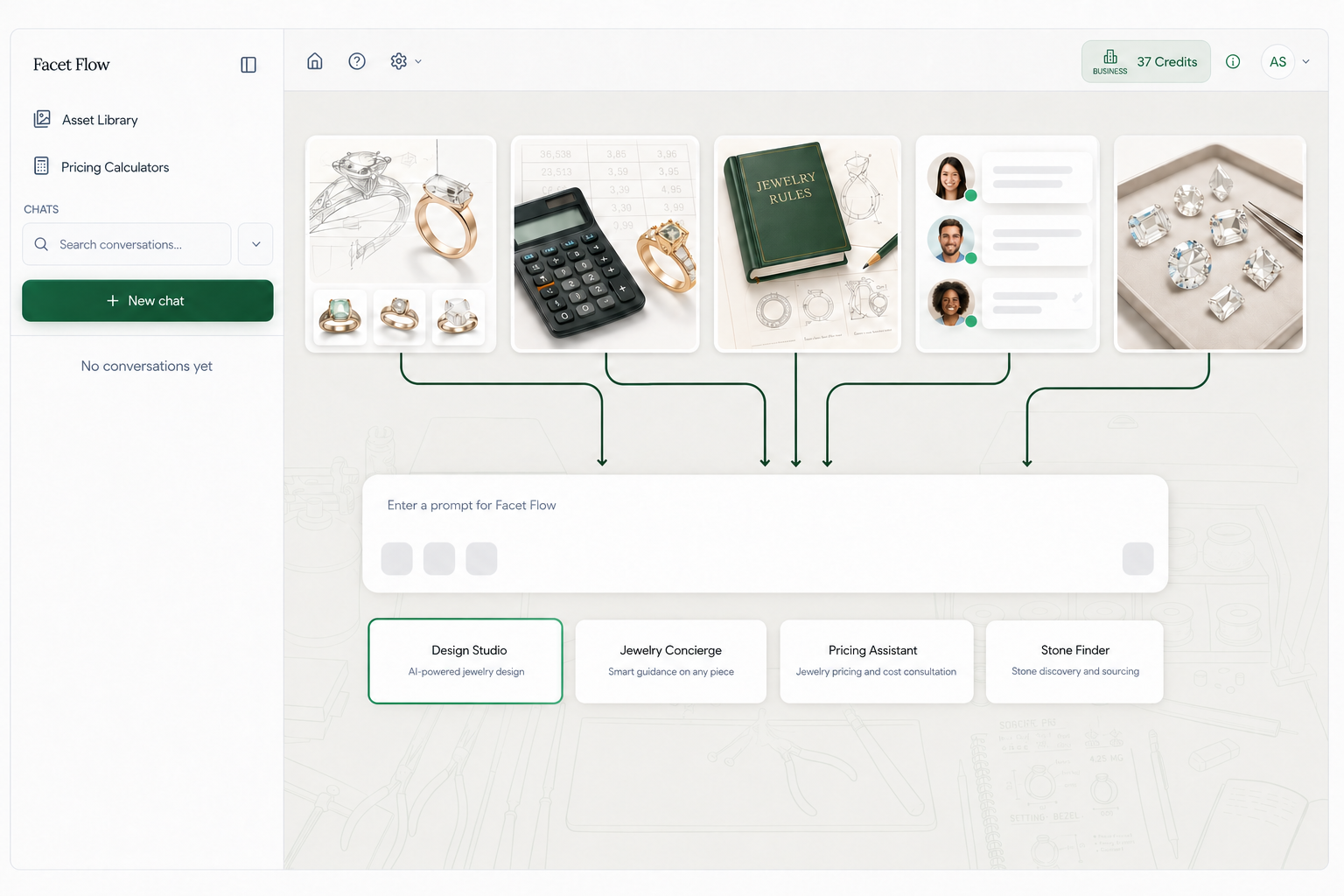
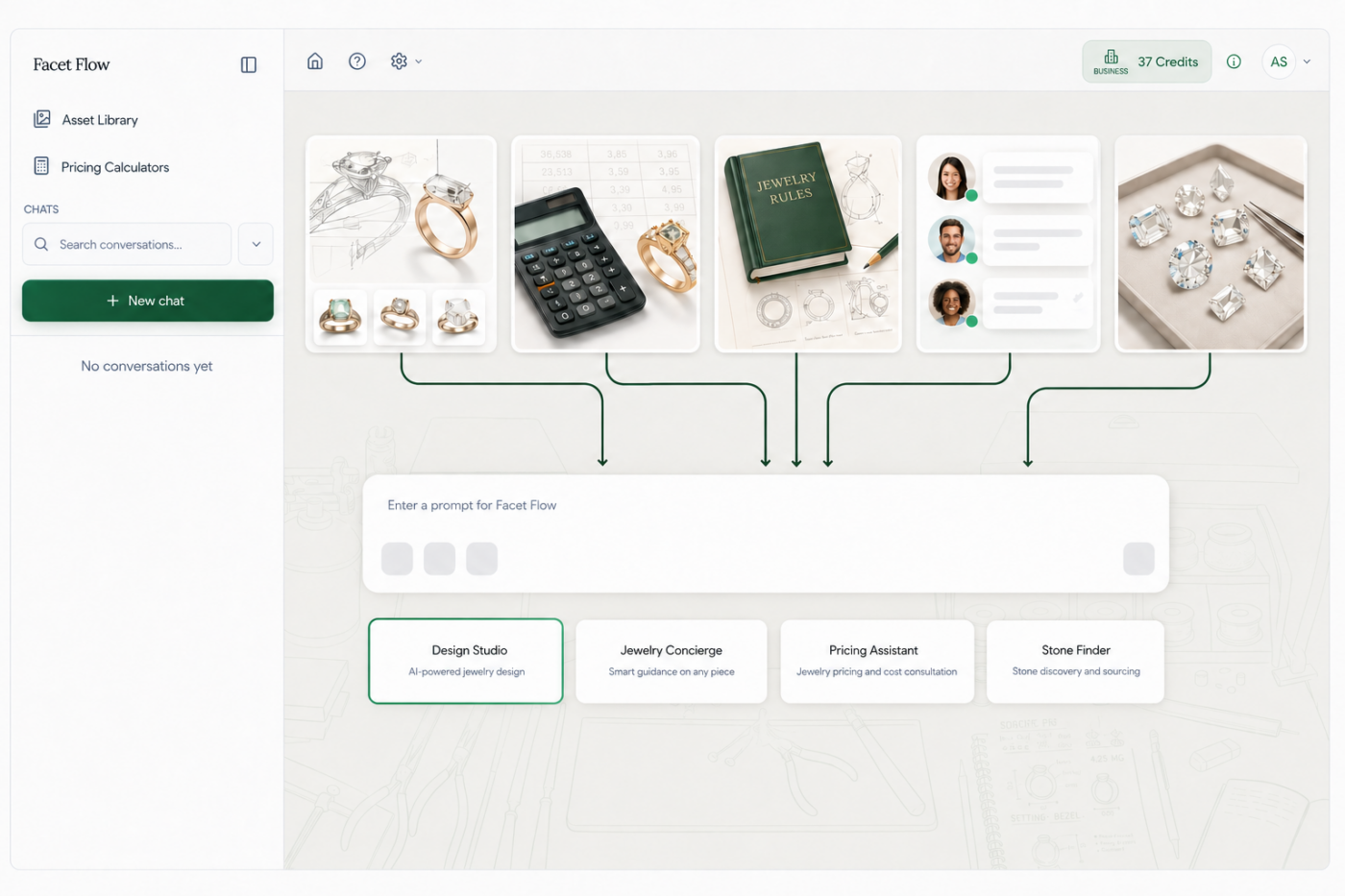
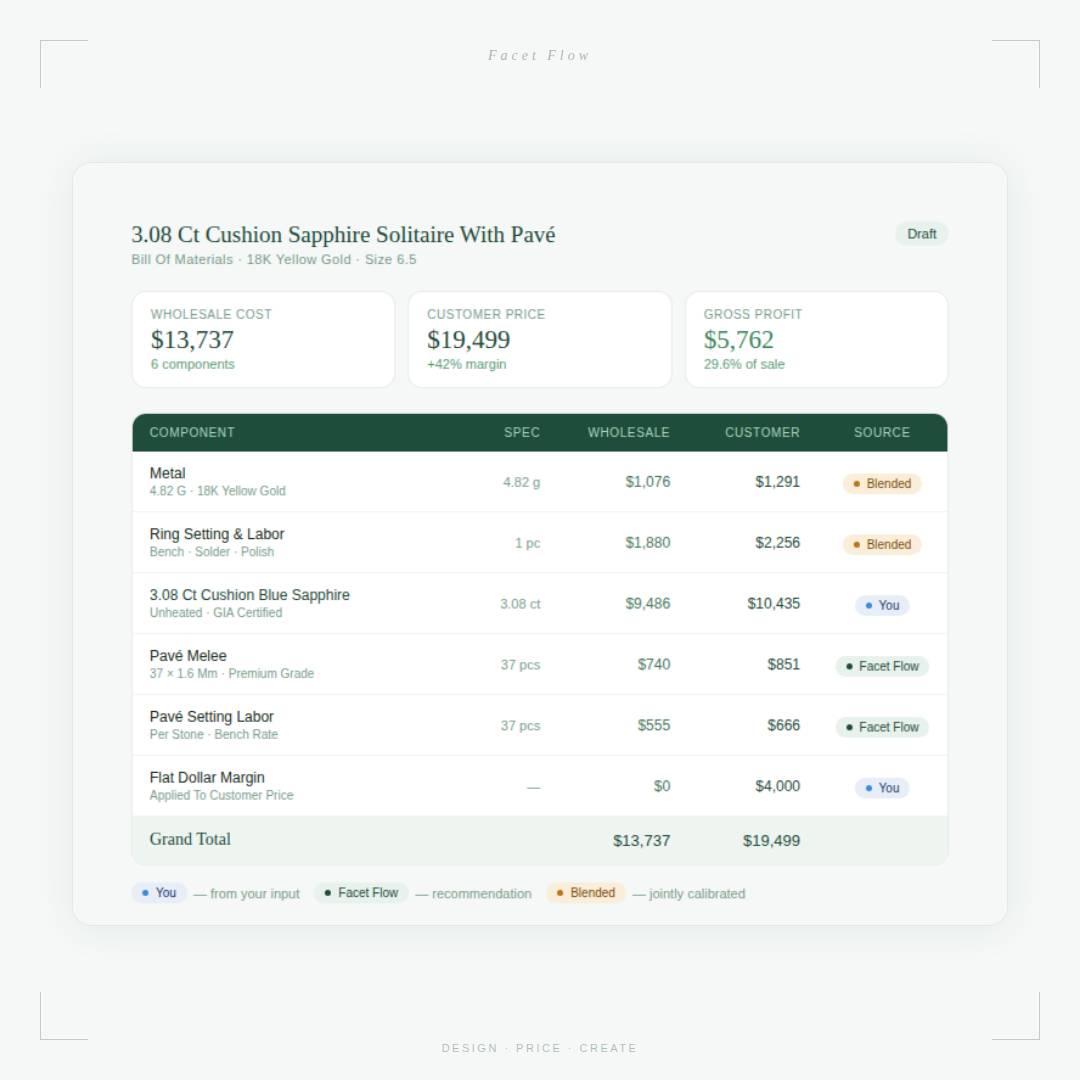
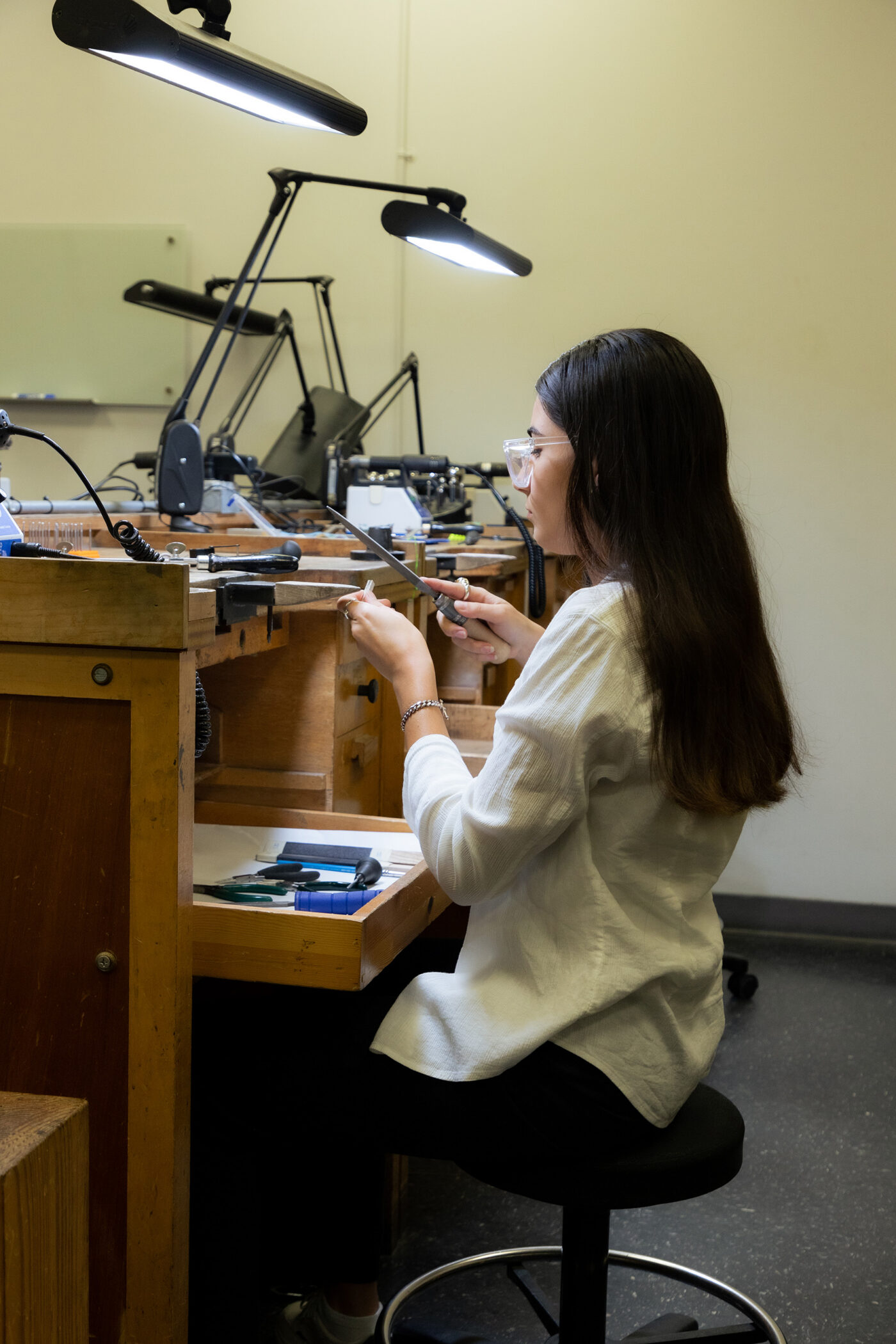
She is currently the founder of Facet Flow, a jewelry technology company rethinking how custom pieces are designed, priced, and produced. The platform captures the often-invisible logic behind jewelry creation—design intent, material constraints, pricing decisions, and production workflows—and turns it into structured systems that preserve context rather than flattening it. Her work explores how AI can support craft without diluting it, enabling teams to move from idea to execution with clarity, consistency, and control while still leaving room for human judgment.

Editing the Invisible

NYCJW: If you had to describe your work in layperson’s terms, what would you say?

SI: I’m building Facet Flow, an operating system for jewelry businesses. We capture the decisions behind a piece – design intent, pricing, and production logic – so teams can move from idea to execution without losing context. Because in jewelry, the hardest part isn’t the idea, it’s getting it made correctly, every time.

NYCJW: Is there a project or idea you’ve put aside for now?

SI: I experimented with video generation for marketing and building repeatable workflows around it, but the results (although promising) weren’t consistent enough across different use cases. I shelved it because it’s a product problem on its own, and not where we’re focused today. I’m less interested in broad video generation, storyboarding and scene creation – there are already strong products there. I’d approach it again through more specific, structured workflows. However, the space is moving fast enough, and it’s one of those ideas that keeps resurfacing.

NYCJW: If your work didn’t exist as software or systems, what other form do you think it would naturally take?

SI: Film editing. Not directing – the edit. Taking raw, messy footage and deciding what stays, what gets cut, and what actually tells the story. It’s less about creating something new and more about shaping what’s already there into something intentional. That’s how I think about jewelry. The surface is emotional. But underneath it’s a sequence of precise decisions. That’s where it either holds or starts to come apart.

Why Iteration Is a Sign of Clarity

NYCJW: What’s a widely accepted belief in your field that you find yourself questioning, even if others don’t?

SI: That iteration signals uncertainty. There’s a culture in parts of the industry, especially custom and high-end, where presenting multiple options signals that you don’t know what you’re doing. The designer is supposed to “just know.” I don’t think that’s right. Iteration isn’t uncertainty – it’s information. The best outcomes usually come from people who are willing to test and adjust, not from those who got it right the first try and couldn’t tell you why.

Building Systems That Adapt to Real-World Practice

NYCJW: Can you recall a recent moment where you weren’t sure how something should work creatively or technically?

Initially, we built Facet Flow’s pricing logic around industry benchmarks. This gave jewelers a defensible starting point and protected margins from day one, even if their own data was incomplete. Then the feedback came back. Jewelers wanted their own data in the system too – their history, materials, and pricing patterns. Which made sense, but it meant the model had to do more. Not just apply benchmarks, but reconcile them with inputs that don’t always follow the ideal. The doubt wasn’t about direction; it was about balance. How do you build something grounded in expertise without overriding someone’s lived practice? We landed on a hybrid: your data runs the system, and the benchmarks act as a signal, flagging when something looks off. It took time to get the balance right, and it’s still evolving because the system has to adapt to how people actually work.

A Signet for the Observer

NYCJW: If you could design something for a historical figure or fictional character, who would you choose?

SI: Ibn Battuta, a 14th-century Moroccan explorer who spent 30 years traveling across Africa, the Middle East, and Asia. What’s interesting about him isn’t the distance he covered but that he was obsessed with recording everything: every court, every system, every custom he encountered. He wanted to make sense of what he was seeing, not just experience it. I’d make him a ring. Closer to a signet, something tied to identity and interpretation. Built in layers, where each surface holds a different reference point. The detail isn’t decorative; it’s a record of the places and cultures he moved through. It wouldn’t reveal itself all at once. You’d have to spend time with it to understand how it’s structured.

Finding Signal in Failure

NYCJW: What’s something unconventional—an object, system, or even “broken” thing—that you’ve been paying attention to lately?

SI: Error logs. What breaks is more interesting than what works. Every failed render and misinterpreted prompt shows where the system is guessing instead of knowing. In jewelry, that same gap shows up between design intent and production. That’s what I’m building around.

Control, Friction, and the Space Between Structure and Emergence

NYCJW: When someone interacts with what you’re building, how do you want their relationship with it to feel or shift?

SI: I want people to feel comfortable with AI and in control of the process, not intimidated by it. It should help them move faster, test ideas, and make informed decisions. It gives them more space to explore, because the system handles the parts that usually slow them down.

NYCJW: What’s a question you wish people asked you more often about your work?

SI: “What does this replace?” Because the honest answer is: not much. It doesn’t replace taste, judgment, or experience. But it replaces friction, the back-and-forth, the guesswork, and repeated decisions. That’s where most time gets lost.

NYCJW: Even if it’s subtle, what theme keeps resurfacing in your work? Why do you think it keeps showing up?

SI: Control vs. surrender: how much you define upfront and how much you let emerge. With both jewelry and technology, too much structure kills flexibility. Too little and nothing is reproducible. I keep working in that middle space – systems that are reliable but not rigid. It shows up in building with AI as well. You’re constantly working with something that has its own interpretation of what you mean, so you guide it with constraints and adjust when it doesn’t behave the way you expect.


About One for the Future (OFTF)
One for the Future celebrates the next generation of jewelry and creative industry professionals. Each year, the program recognizes honorees for their innovation, craftsmanship, and/or unique perspectives and connects them with mentorship, exposure, and opportunities to engage with collectors and industry leaders worldwide.

Enjoyed this piece? Explore more jewelry content from Future Heirloom!
In Conversation with Xiaoyu Li: Material Memory, Craft, and Geocultural Form

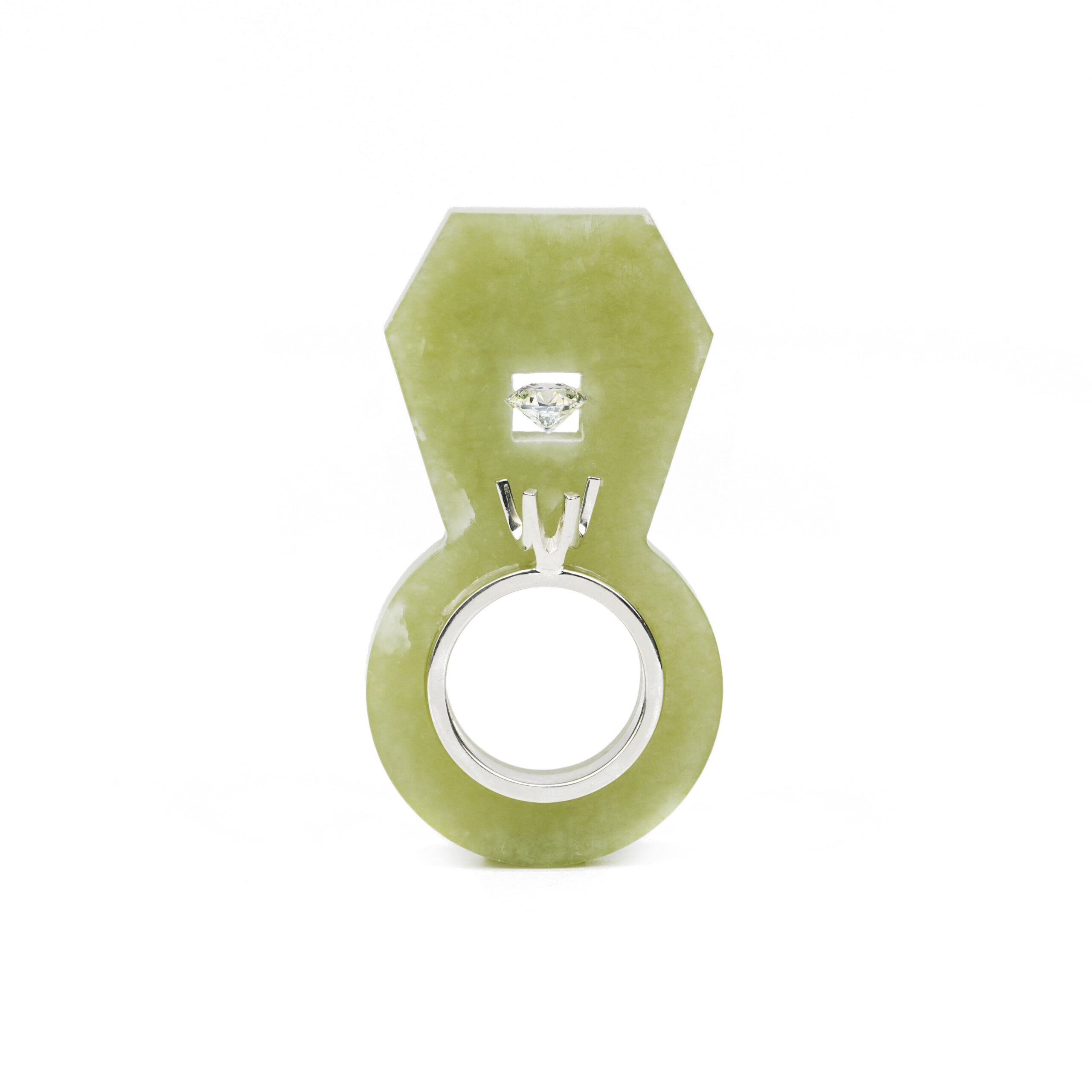
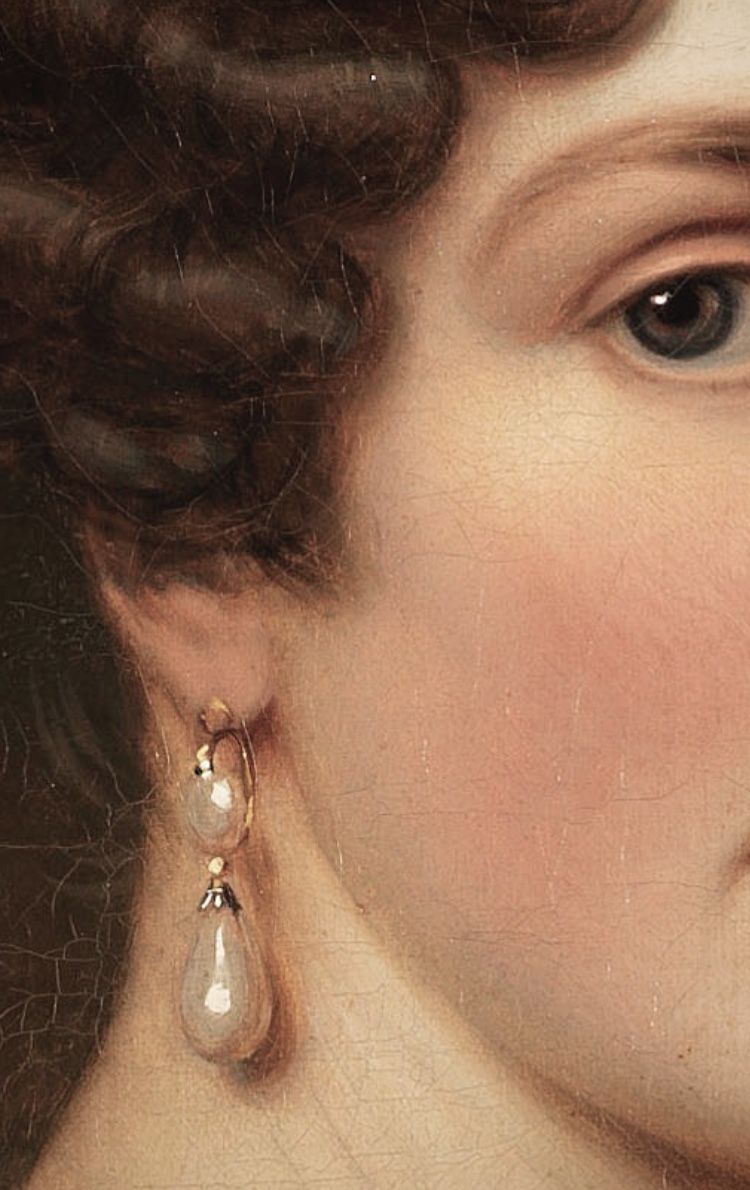
Xiaoyu Li is a contemporary jewellery artist and maker based in London, specialising in stone carving and gold- and silver-inlay. A 2026–2027 One for the Future Honoree, her practice explores how material and technique carry geocultural specificity, treating jewellery as a site where cultural narratives and hybrid identities take form.

With a background in painting and over nine years of jewelry-making experience across China and the UK, Li completed her MA in Jewellery & Metal at the Royal College of Art. She has exhibited her work internationally, including at London Craft Week, Munich Jewellery Week, and London Fashion Week, and has received multiple GC&DC Gold Awards as well as the 2026 Gem-A Award.

We had some questions to ask her about her practice, process, and the ideas shaping her work today.

Practice and Material Origins

NYCJW: To start, how would you describe the story of your work and your practice?

XL: I’m currently based in London, working with stone and metal inlay. My practice spans contemporary art jewellery and craft, and engages with ideas of land as well as more personal narratives. I’m particularly interested in traditional techniques and the stories behind them. It reveals how materials are shaped by the land, as well as what has taken place within it.

Shifting Scale and Practice

NYCJW: Following on from that, is there anything you’ve worked on or thought about that you’ve decided to pause or set aside for now?

XL: I haven’t abandoned a project, but postponed a direction I’ve been interested in, moving my practice from jewellery into sculpture. I began to consider how stone carving might operate at a larger scale, shifting from an intimate relationship with the body towards a more spatial one. I’ve always seen jewellery as a form of small-scale sculpture, so this felt like a natural extension. However, I realised that scale alone wasn’t enough. I hadn’t yet resolved how these traditional crafts could function in a spatial context without losing their conceptual and material integrity.

Returning to Painting as a Parallel Practice

NYCJW: I’m also curious—if your work could exist in a completely different medium, like film, architecture, music, painting, or something else entirely, where do you think it might go?

XL: Painting is a direction I would return to. I trained in painting from a young age, and for many years it was my primary way of engaging with art. During my BA, I moved away from image-based expression towards contemporary art jewellery. That distance has stayed with me, and returning to painting would open up a different way of working. Approaching a familiar medium from a new position could bring a different sensitivity, letting me to engage more directly with the visual, gesture, and thought.

An Open Approach to the Field

NYCJW: Within the field, are there any ideas or assumptions you find yourself gently questioning, or maybe just not fully subscribing to?

XL: I wouldn’t frame it as a disagreement. I’ve always taken an open attitude within the field. Contemporary art jewellery is still a very young discipline, and I’m always looking for different voices to emerge.

Material Memory and Working Through Doubt

NYCJW: Thinking about your process more personally, can you remember a recent moment of real creative doubt?

XL: Last year marked a turning point in my practice, when I began to question how the work could continue to develop without becoming too resolved in its form. In those moments of uncertainty, I return to history. I think of jewellery as a medium that writes history through its materials and techniques. Museums become an important place of reference. I spent time studying the jewellery collection and archives at the V&A, looking at how materials have been used and understood across different periods. I also draw on research into ancient Chinese jade carving. Many of these forms and techniques are no longer practiced, but they carry a way of understanding where the craft comes from. This doesn’t resolve the doubt directly, but allows me to reposition the work within a longer continuum and keep moving.

NYCJW: Right now, is there any unusual material, object, text, or source of inspiration that draws you in? And how is that starting to show up in your work?

XL: Stone has always been at the core of my practice. By working with stone and examining its cultural histories, I explore how land shapes individual experience and how craft can embody forms of collective memory. This is embedded in the work through the act of carving stone itself. Rather than imposing a fixed form, I respond to the inherent qualities of the stone, allowing its character to emerge through the process. In this sense, each piece is unique.

Craft, Land, and Reflection

NYCJW: Stepping back a bit, when someone experiences your work, how do you hope it makes them feel?

XL: I hope my work allows people to form a connection with the land. My practice involves moving across different places, learning local crafts, and working directly with materials in their place of origin. Through this, I see craft as a way of reading history, shaped by specific cultural and geographical conditions. I hope the work offers a space for reflection, not only on where the craft comes from, but also on where we come from. I’d like viewers to consider their own cultural roots, how identity is formed and continues to shift over time.

Reactivating Traditional Techniques Through Inlay

NYCJW: What question do you wish people would ask you more often about your practice?

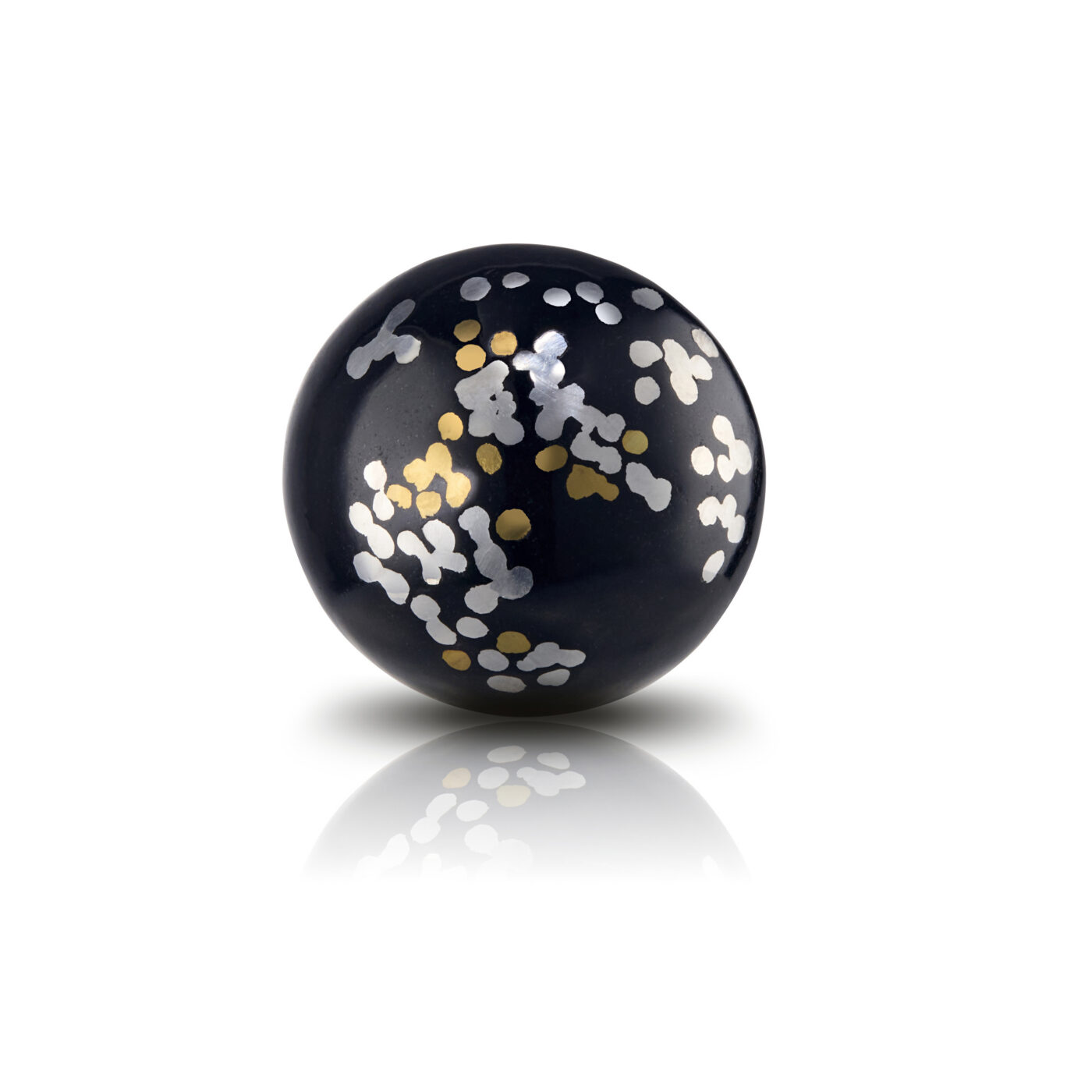
XL: I wish more people would ask about the techniques used in my work and the stories behind them. One of the techniques I use in my work is gold and silver inlay. It is a historical craft that has developed across multiple regions, including China and parts of Central and Eastern Europe, shaped through processes of cultural exchange and hybridity. It appeared on bronze objects in China during the Shang and Zhou dynasties, and later extended to jade during the Song dynasty, influenced by cross-cultural exchange with Hindustan.

This layered history aligns with my interest in cultural hybridity. In my work, gold and silver inlay becomes a way of engaging with the stone. Rather than following its traditional decorative logic, I adapt its precise linear language to trace and emphasise the natural irregularities of the stone. What matters to me is how this craft can be reactivated within a contemporary context, not as a fixed tradition.

Returning Motifs and Early Material Memory

NYCJW: I’m curious if there’s a recurring theme, idea, or even emotion in your work that keeps showing up, sometimes quite subtly. Why do you think it keeps coming back?

XL: My work consistently reflects my personal experience, particularly through the objects that shaped my early years. My use of Xiuyan jade goes back to the first piece of jewellery I owned, a jade bracelet made from this material, which continues to inform my focus on stone carving. This extends to projects such as my work on traditional Chinese kite-making. Kite flying was part of my childhood and later became a way of engaging with a craft that is gradually disappearing. I travelled to learn the technique locally and worked with makers to adapt it into a wearable context in response to the decline of the local kite-making industry. These references keep returning because they are closely tied to how I understand making and to the origins of my relationship with material.


About One for the Future (OFTF)
One for the Future celebrates the next generation of jewelry and creative industry professionals. Each year, the program recognizes honorees for their innovation, craftsmanship, and/or unique perspectives and connects them with mentorship, exposure, and opportunities to engage with collectors and industry leaders worldwide.

Enjoyed this piece? Explore more jewelry content from Future Heirloom!
Between Body and Object: The Work of Zori Wang

Zori Wang doesn’t see jewelry as something that sits still—it’s meant to be worn, lived in, and felt. Born in Shanghai and trained at the Rhode Island School of Design (RISD), she began in sculpture and industrial design before working as a digital product designer in California’s tech and creative industries. In 2024, she relocated to Vancouver to launch her studio, ZORI Design, where she creates sculptural, surreal pieces that blur the line between art and everyday objects. As a 2026–2027 One for the Future honoree, Wang is part of a new generation of artists rethinking what adornment can mean and how it can become part of daily life. The following is a conversation with the artist about her practice, process, and perspective.

Origin Story

NYCJW: To start, can you describe the story behind your jewelry?

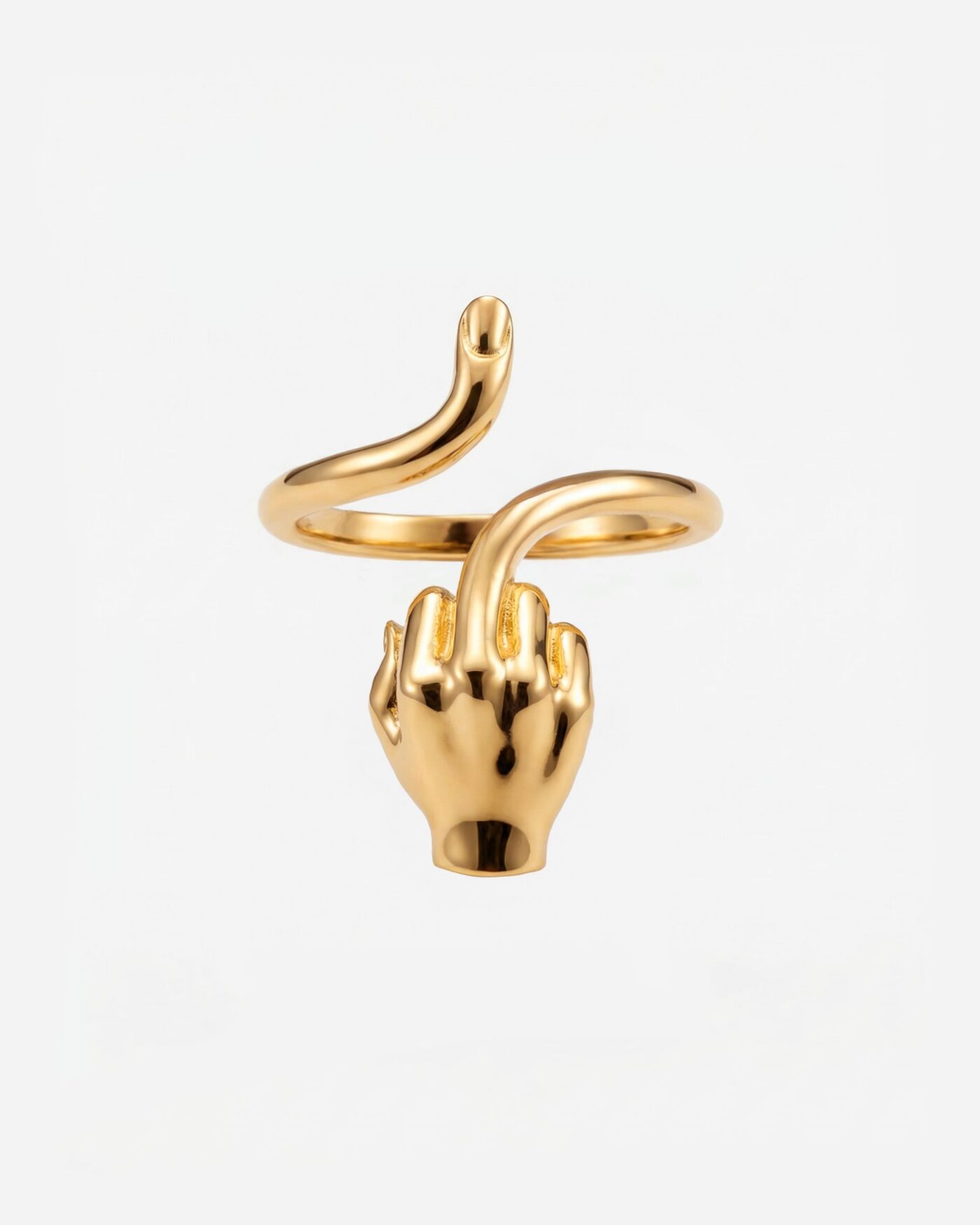
ZW: I grew up sculpting, studied industrial design, and worked in tech before eventually choosing jewelry as my medium. I’ve always been drawn to the idea that art should not only sit behind glass, but be worn, lived with, and intimately woven into daily life. Starting a jewelry brand is my way of turning that vision into reality. I use ZORI as a space where I create sculptural, surreal, and slightly absurd pieces for those who like things a bit different.

Between Object and Space

NYCJW: Building on that, is there a project, piece, or idea you’ve put on hold? What made you feel like it wasn’t the right time for it?

ZW: I’ve always been drawn to the space where art, design, and engineering overlap, so one idea I shelved is to create pieces that are interactive, mechanically or otherwise (and they can be any wearable/usable object, not just jewelry). I think that adds an entirely new dimension of possibilities and room for creativity. I haven’t pursued it yet because I know those pieces would require a very different level of investment in R&D. They involve longer market testing, more prototyping, and a more complex production line than where my practice is right now. At this stage, I’m choosing to build a strong foundation for my brand first, so that when I return to those ideas, I can realize them in the way they deserve.

NYCJW: Thinking about your work more broadly, if it could exist in another medium, what would it become?

ZW: Architecture. At the core of my work is the idea that art can be felt more deeply when it is worn and lives in close relationship with the body. Architecture fascinates me because it creates that same relationship at the opposite scale. Instead of wearing the work, a person steps inside it. I’m interested in the idea that a piece could expand from something held against the skin into a surreal space that surrounds the body entirely, where the same emotional language of my jewelry becomes something the observer can physically move through.

Redefining Luxury

NYCJW: Given your perspective, what’s a belief or convention in your field that you find yourself questioning?

ZW: In fashion, the meaning of “luxury” has been reduced to price tag and social status. I loudly challenge this presumption. My vision is to reframe luxury as the marker for something internal, a reflection of the wearer’s curiosity, creativity, and emotional depth. Those qualities are just as valuable, if not more so, than material markers. And I am working to position my brand ZORI where this kind of luxury is accessible to those it resonates with.

Creative Doubt and Rebuilding the Practice

NYCJW: With that in mind, can you share a moment when you experienced real creative doubt?

ZW: For me, creative doubt is part of the process. I’m constantly questioning my ideas as I develop them, which makes creation both exciting and infuriating. The most significant moment of doubt came when I decided to start a jewelry brand. My training is in sculpture and industrial design, which operate on very different techniques and artistic languages from jewelry. This transition forced me to unlearn and rebuild my approach from the ground up. I had to learn the technical constraints of jewelry-making and develop my own visual language that could exist consistently at that scale.

Early on, this created a long period of uncertainty. I spent months sketching, prototyping, rejecting my own work, and starting again, without knowing whether the direction was even viable. What made it especially difficult was the lack of external feedback during the earliest stages of starting a brand. It was just me, and the different voices in my head looping in the same space. I moved through it gradually, through repetition and refinement, but also through unexpected encouragement from strangers who resonated with the work even in its early stages. That combination helped me trust that the direction was not only possible, but meaningful.

A Dialogue with Duchamp

NYCJW: If you could extend your work into a dialogue with someone else, who would you create a piece for?

ZW: I would create a piece for Marcel Duchamp because he humorously challenged how value is assigned to objects. I imagine making something with precious materials that quietly destabilizes the idea of preciousness itself, a piece that feels luxurious while questioning what luxury really means.

Digital Rituals and Personal Meaning

NYCJW: Shifting to your current process, what’s a non-traditional material, object, or source of inspiration that draws you right now?

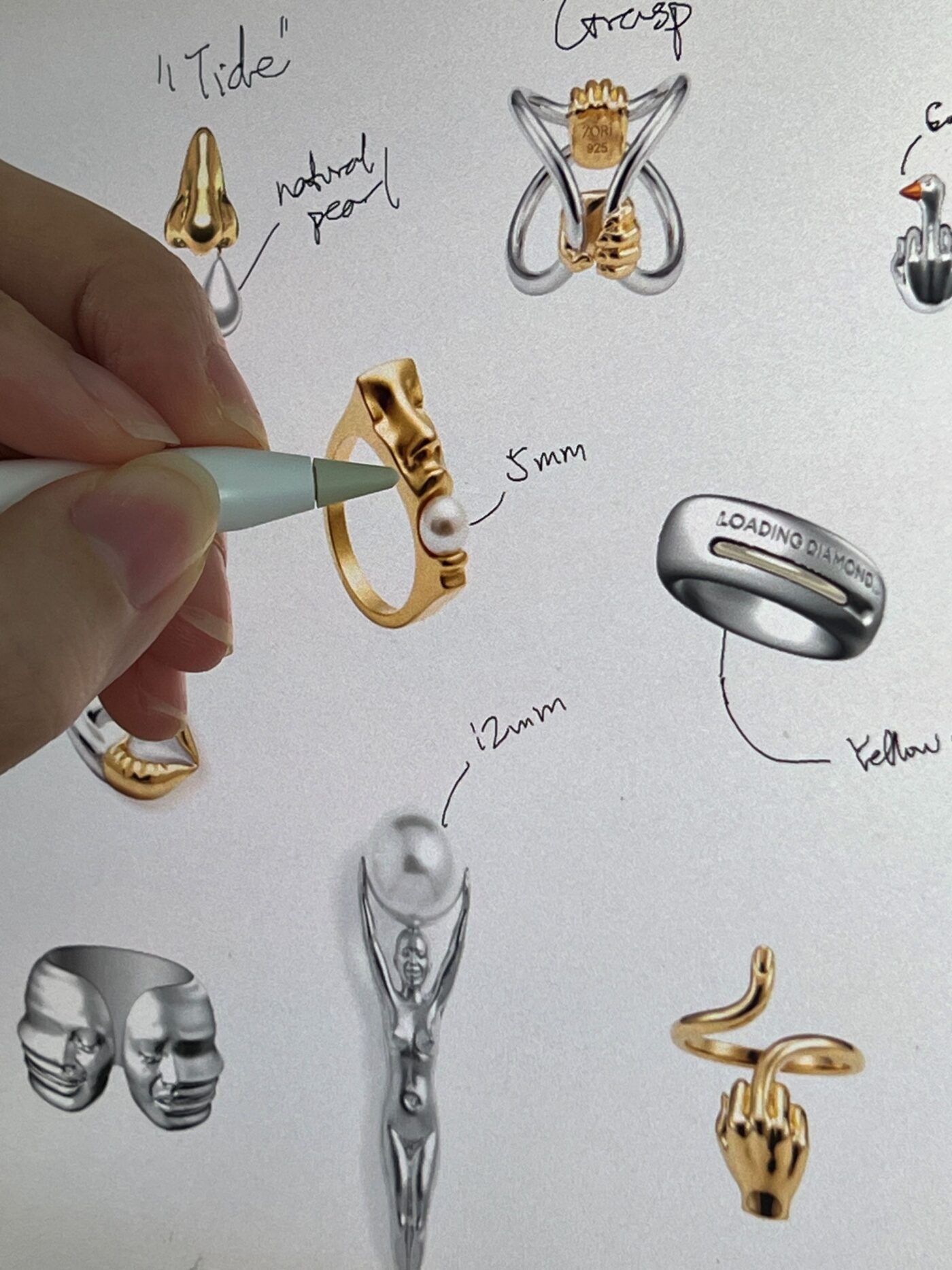
ZW: Because of my experience in UI/UX design, I’ve become fascinated by the way digital interfaces, buttons, loading icons, and haptic feedback subtly shape how we think and behave. These interactions have become such an instinctive part of daily life, yet they rarely appear in art as a material language. I’m drawn to the idea of creating small wearable objects that transform digital symbols into something tangible, intimate and human. A few ideas I’m currently developing include a ring in which the gemstone appears to be “loading,” earrings that are reset buttons you could press to “reset life” (metaphorically) whenever needed, etc.

NYCJW: When someone encounters your work, how do you hope it resonates with them?

ZW: The goal was never to ‘prescribe’ a specific feeling for everyone. It might evoke curiosity, resonance, reflection, shock, and even amusement. But whatever it is, I want them to feel something that’s uniquely theirs. And that is part of what draws me to jewelry as such an intimate medium—the same piece will be writing a different story for every wearer as time goes on. What I hope it gives people permission to do is trust their own emotional response, and to see adornment as something deeper than decoration.

From Idea to Object

NYCJW: Reflecting on your process, what’s one question you wish people would ask you more often about your work?

ZW: It’s that one. Okay, just kidding. I wish more people would ask how a piece moves from an idea into a finished object. People often imagine it as a straightforward process of sketching, modelling, prototyping, and making, but in reality, it is far less linear than that. Most pieces are built through constant revision. An idea is tested, questioned, abandoned, rebuilt, and sometimes completely transformed before I feel comfortable calling it a finished product. What looks like a single finished piece often carries dozens, sometimes hundreds, of unseen decisions behind it. I think that hidden process is one of the most honest parts of the work, because the final object is really just the visible trace of everything that almost became something else.

Humor as Quiet Resistance

NYCJW: Finally, looking across everything you’ve shared, is there a recurring theme, idea, or emotion that keeps surfacing in your work?

ZW: Humor and satire—especially with everything going on in the world right now, they’ve become a way I move through life. I find that surrealism, when combined with a bit of humor and satire, can sometimes reveal something more truthful than realism itself. A subtle shift into absurdity can make people pause and recognize something familiar from a different angle. In a way, I see humor as a form of idealism. The subtle absurdness in my work is not meant to dismiss the darker parts of the world, but to acknowledge them without surrendering to cynicism.


About One for the Future (OFTF)
One for the Future celebrates the next generation of jewelry and creative industry professionals. Each year, the program recognizes honorees for their innovation, craftsmanship, and/or unique perspectives and connects them with mentorship, exposure, and opportunities to engage with collectors and industry leaders worldwide.

Enjoyed this piece? Explore more jewelry content from Future Heirloom!
In the Space Between: A Conversation on Jewelry, Process, and Presence

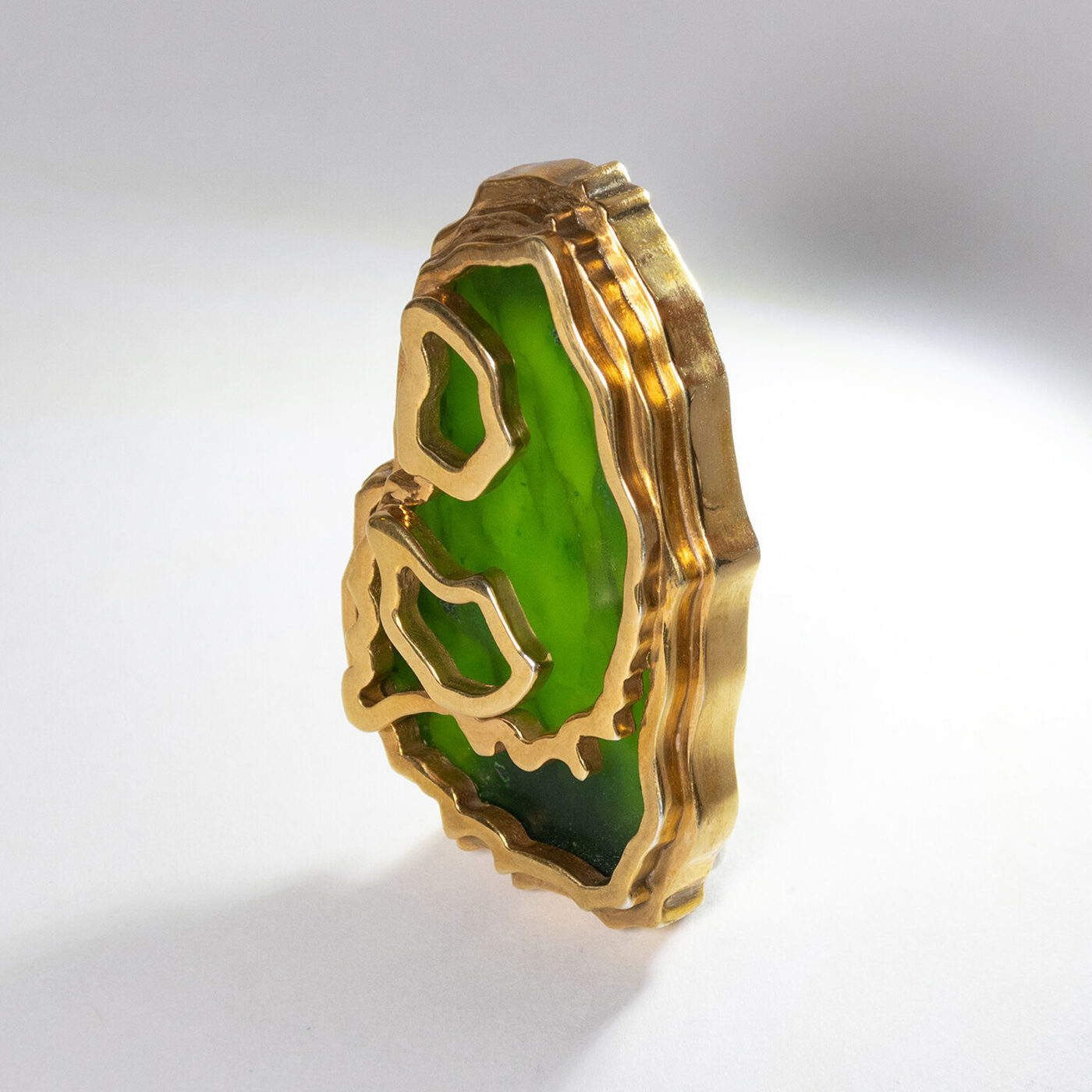
Jaeseob Shin is a 2026–2027 One for the Future honoree and a contemporary jewelry artist based in South Korea. After completing his Master’s degree in Metal Craft & Design at SeoulTech in 2023, he continued at the same university as a PhD candidate, where his research explores the intersection of contemporary jewelry and philosophical thought.

Shin works primarily with the form of the ring and grounds his practice in what he calls “in-betweenness,” the shifting space between functional objects and non-functional artworks. His work resists fixed categories, using ambiguity to open new ways of seeing, thinking, and experiencing jewelry beyond its traditional definitions.

In-Between Practice

NYCJW: To start, how would you introduce yourself and your work to someone meeting you for the first time?

JS: I research the in-between areas of opposing concepts. I prefer to create new perspectives through the possibilities of ambiguity within these in-between areas. As a jewelry designer, I create my rings in a form between use and non-use.

Shelved Idea

NYCJW: Is there an idea or project you’ve had to put aside for now? What was it, and what made it difficult to move forward with at the time?

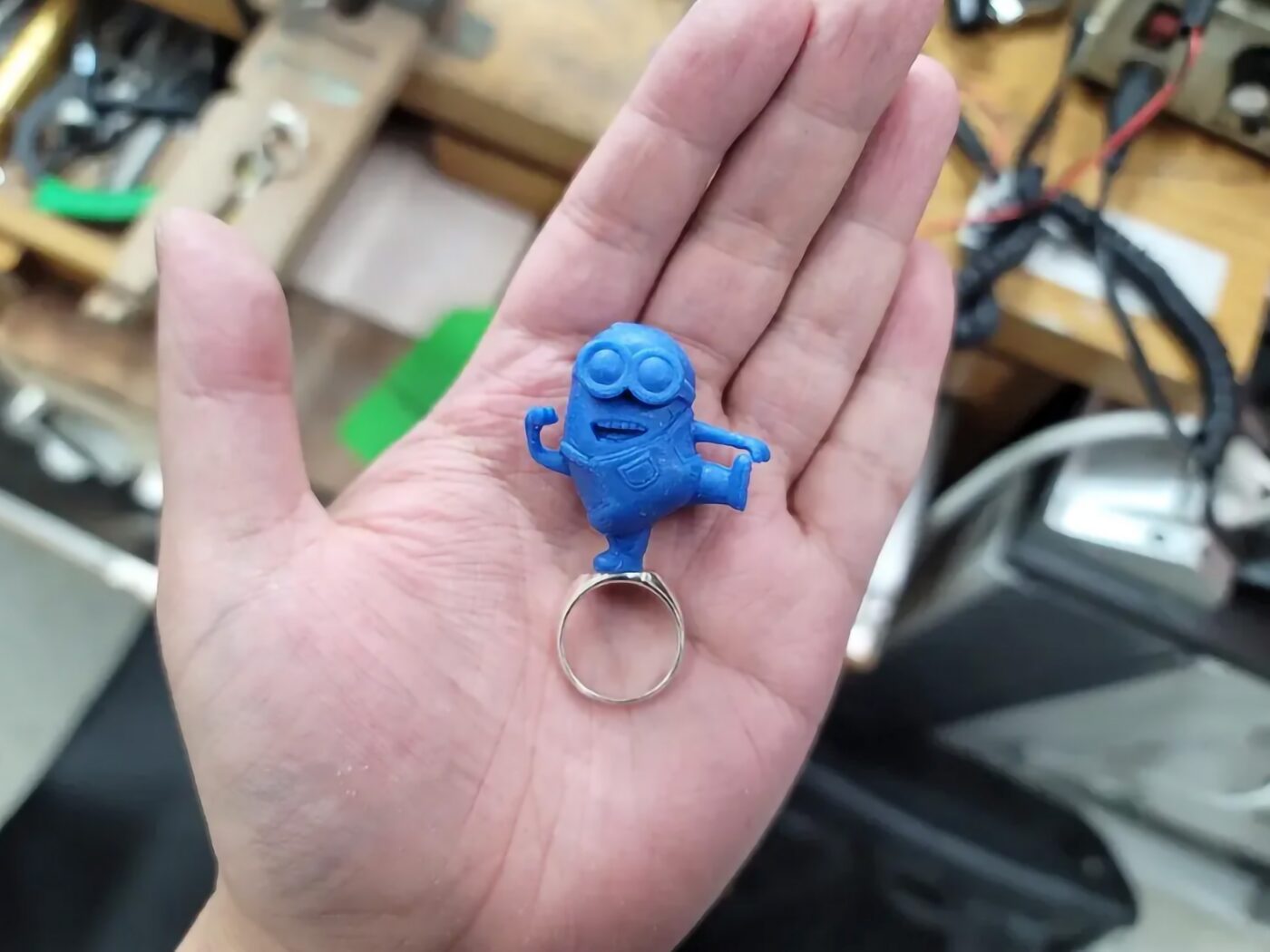
JS: I planned to create ‘figure-style rings’ by placing miniature metal sculptures of famous characters on top of rings. I wanted to visually express the synergy created when the wearability of a ring and the object-like characteristics of a figure are brought into a single domain. I really wanted to pursue this, but I couldn’t overcome the barrier of copyright issues.

A Different Form

NYCJW: If your work had to exist in a completely different form, what would you choose?

JS: When I look at three-dimensional works, I start thinking about their side views, back views, and information on how they were made three-dimensionally. This habit often gives me quite a bit of fatigue. Therefore, I wish my work existed as a medium-sized flat painting on a white wall in a well-lit exhibition space. Sometimes, I want to gaze at my work peacefully and comfortably.

Beliefs & Doubts

NYCJW: Is there something people in your field tend to believe or say that you don’t fully agree with?

JS: When I try to attempt something, I dislike the pessimistic attitude of bringing up examples of other artists and saying, ‘As an artist, you should do something creative; this person has already done what you are trying to do.’ Even with the same line, the meaning of that sentence can change depending on which actor performs it. I believe in this quite strongly.

NYCJW: Can you think of a recent moment when you felt unsure about your work or direction?

JS: I am sure I had doubts, but now I don’t remember them well. I just kept making, and now only excitement remains.

Character, Action, Encounter

NYCJW: If you could make a piece for a fictional character or a historical figure, who would it be? What kind of work would you imagine for them?

JS: The moment I heard this question, Severus Snape from Harry Potter came to mind. There is a scene where Snape shows Dumbledore his Patronus, a silver doe, and when asked if he still loves Lily, he simply replies, ‘Always.’ That scene drives me crazy; no romance movie or novel can surpass it. This feeling isn’t pity or support for his love; it is pure respect. For Snape, I would create a piece using only a single material to represent the purest and most solid state, completely free from any decoration or hidden intent.

NYCJW: What’s been unexpectedly influencing your thinking or making lately?

JS: Don’t think, just do. This phrase is the very source of my inspiration. I used to be a chronic overthinker, to the point where I would even make plans for making plans. If it weren’t for this mindset, I wouldn’t have been selected for OFTF, and I would probably still be caught in the cycle of planning at this very moment. Ultimately, I draw my inspiration from the act of ‘doing’ itself.

NYCJW: When someone encounters your work, how do you hope they respond?

JS: I hope people enjoy my work with a light heart, simply thinking, ‘Oh, so something like this exists.’ I create my pieces with that same mindset, and I believe that is where the audience and I will truly connect.

Time and Effort

NYCJW: Is there a question you wish people would ask you more often about your work?

JS: To be honest, the question I wish more people would ask is, ‘How long did it take to make this?’ I love hearing this because it makes me feel like my effort is being recognized in its purest form. My answer to that is always the same: “A very long time”.

Recurring Forms

NYCJW: Looking at your work overall, are there any ideas, shapes, or themes that keep coming back again and again?

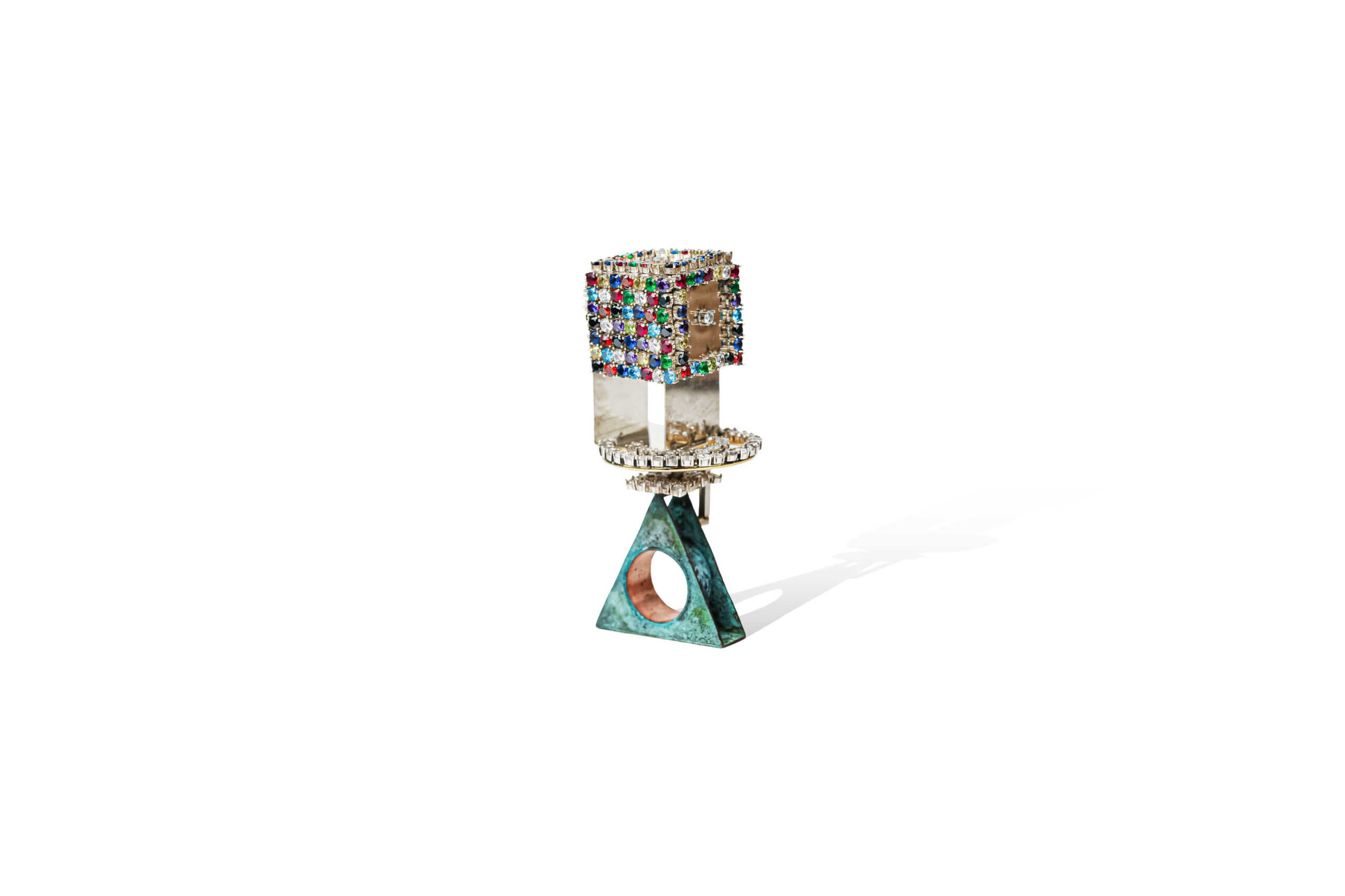
JS: Basic geometric shapes—circles, squares, and triangles—naturally appear in most of my work. I believe this reflects my personality, as I enjoy building stories by branching out from the most fundamental elements.


About One for the Future (OFTF)
One for the Future celebrates the next generation of jewelry and creative industry professionals. Each year, the program recognizes honorees for their innovation, craftsmanship, and/or unique perspectives. It also provides them with opportunities for mentorship, exposure, and connections with collectors and industry leaders worldwide.

Enjoyed this piece? Explore more jewelry content from Future Heirloom!
On Vulnerability, Material, and the Language of Jewelry

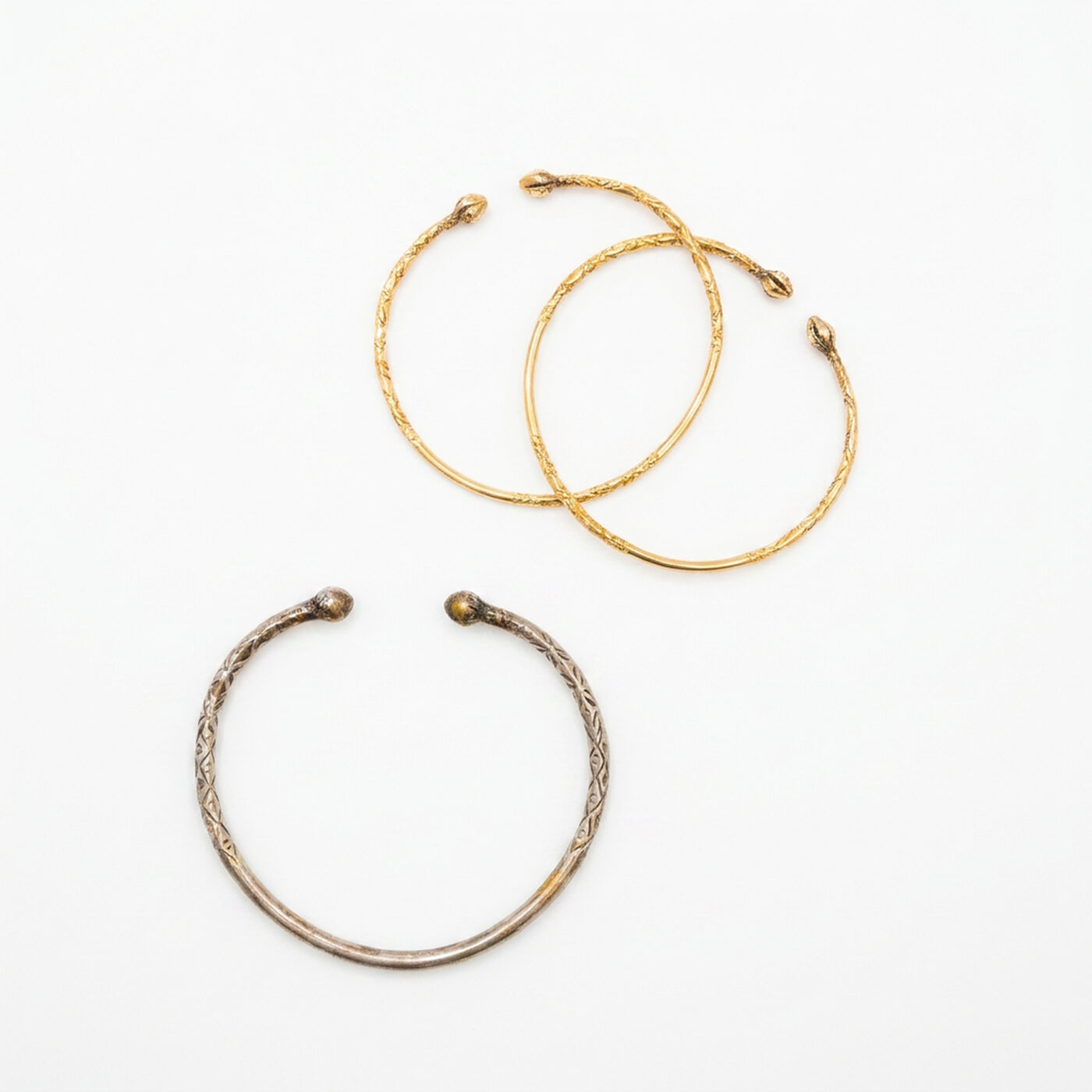
A 2026–2027 One for the Future honoree, Alice Biolo is an Italian artist based in Glasgow whose practice moves between jewelry and sculpture, where body-related objects become sites for storytelling, transformation, and concealment. Working across wearable and standalone forms, she blends traditional craftsmanship with experimental, often kinetic approaches, creating pieces that reveal themselves only through interaction.

In this conversation, she reflects on the shifting boundaries of jewelry, the presence of doubt within her process, and the recurring role of the “hidden” as both a conceptual and formal thread. She also speaks about material obsessions, unrealised ideas, and the ways her practice continues to oscillate between vulnerability, structure, and play.

Between Narrative and Mechanism

NYCJW: To begin, could you introduce your practice and share the story behind your work?

AB: My practice has two distinct but connected sides that are in constant dialogue with one another. The first is my conceptual, narrative-led work, where I mainly create brooches for exhibitions and themed showcases. These pieces explore themes such as mental health, personal narratives, trauma, grief, and insecurity. They are deeply personal works through which I express my inner world and aim to create an emotional connection with the audience. The second side is more light-hearted and wearable, with a stronger focus on technical challenges, materials, movement, and sound rather than direct narrative.

I enjoy creating pieces that surprise the wearer and viewer through kinetic elements and unexpected interactions. Although different in approach, both sides continually influence each other. Ideas often move between them, whether conceptually or technically. My exploration of hidden mechanisms, for example, began in a conceptual piece and later developed into wearable collections, before returning again in later conceptual work. Material exploration is central to everything I do. I enjoy working with both precious and non-precious materials, from silver and gold to stainless steel, found objects such as broken watch parts and letterpress type. Gemstones have also become an increasingly important part of my practice.

Ideas in Suspension

NYCJW: Within that practice, are there ideas or projects you’ve set aside for now? What makes you feel they’re not ready to be realised yet?

AB: I would rather not name one specific shelved project, as once I say it out loud, it feels as though I should immediately commit to making it. There is, however, one idea that has been at the back of my mind since 2024. I have been quietly developing it through mental sketches and fragments of design, but I have not yet fully committed it to paper. I trust that when the time is right, it will come to life. Beyond that, there are probably hundreds of designs I have shelved unconsciously, not because I was not ready for them, but because they were sketched in unusual places and then forgotten. Many live in scattered sketchbooks or phone notes until I rediscover them later. Those moments are always a pleasant surprise, and sometimes a forgotten idea becomes the very next piece I make at the bench.

Between Object and Narrative

NYCJW: Looking beyond your current medium, if your work could exist elsewhere, such as in film, architecture, or writing, what form do you think it would take, and why?

AB: I think my work would exist somewhere between visual art and writing. Many of my pieces are created as standalone objects first and wearable jewelry second. I see my brooches as small sculptures that can exist independently in space, but whose meaning and presence shift once they are worn. When placed on the body, the experience changes: parts of the design may become hidden from the viewer, or kinetic elements begin to move, allowing the object to feel animated and alive. Writing also feels closely connected to my practice. I have written texts and poems to accompany some of my conceptual works, and narrative is central to much of what I create. Whether through written words, spoken explanation, or the object itself, I am often telling a story.

Against Fixed Categories

NYCJW: Are there any conventions or assumptions in the field that you find yourself questioning or resisting?

AB: One convention I quietly disagree with is the need to place jewelry, particularly art jewelry, into a single, clearly defined category. It often occupies an unusual space: not always fully embraced by the fine art world, yet also misunderstood within traditional jewelry contexts, where value may be judged primarily through wearability, craftsmanship, or precious materials. Because of this, many makers can find it difficult to position their work. Pieces may be dismissed as “just jewelry,” rather than recognised as objects capable of carrying conceptual, emotional, or cultural weight.

At the same time, they may challenge conventional expectations of what jewelry should be. I believe art jewelry can exist across multiple disciplines at once: craft, design, sculpture, performance, and visual art. It does not need to fit neatly under one label to be meaningful. I think people should be a little less judgmental and a bit more open-minded when approaching the field. Sometimes the most unexpected piece, made from humble or unconventional materials, can create the strongest emotional connection. A rubber chain necklace, for example, might move someone far more deeply than a diamond ever could.

Working Through Uncertainty

NYCJW: How do you experience creative doubt in your practice, and can you recall a recent moment where you had to work through it?

AB: I think I experience creative doubt almost daily. I can become very excited by a new idea, completely absorbed in it, and convinced I am making my strongest work so far. I will spend hours immersed in the process, only to finish the piece and immediately begin questioning it. Will a gallery or client respond to it? Do I even like it myself? I know I can sometimes look outward for validation, and I am learning to trust my own instincts more. What helps me most is to keep making rather than overthinking.

Doubt can be uncomfortable, but creative paralysis is far more limiting. Continuing to work, even while uncertain, is usually the best way through it. At the same time, I do not think doubt is entirely negative. A certain level of questioning can push you to refine your ideas, notice imperfections, and keep raising your standards. Perfection is impossible, but that leaves room for growth. I try to see insecurity not only as a challenge, but also as something that can motivate me to keep improving.

For Lilith: An Heirloom of Autonomy

NYCJW: If you could create a work for a fictional character or historical figure, who would it be, and what would that piece look or feel like?

AB: I think it would be for Lilith, the first wife of Adam in some traditions, who was created equally from the earth and chose to leave the Garden of Eden rather than be subservient. To me, she represents autonomy, independence, and the strength to reject imposed roles. Although she has often been portrayed as a demon, I see her more as a misunderstood figure shaped by patriarchal narratives. I would create a brooch for her, as it is my favourite medium within jewelry. Rather than designing it from assumptions, I would want to ask her about her deepest secret or something she holds closest to her heart. From that conversation, I would create an heirloom, something intimate, protective, and powerful, carrying both vulnerability and strength.

Material Obsession: Niello

NYCJW: Are there materials, objects, or unexpected sources of inspiration you’re particularly drawn to at the moment?

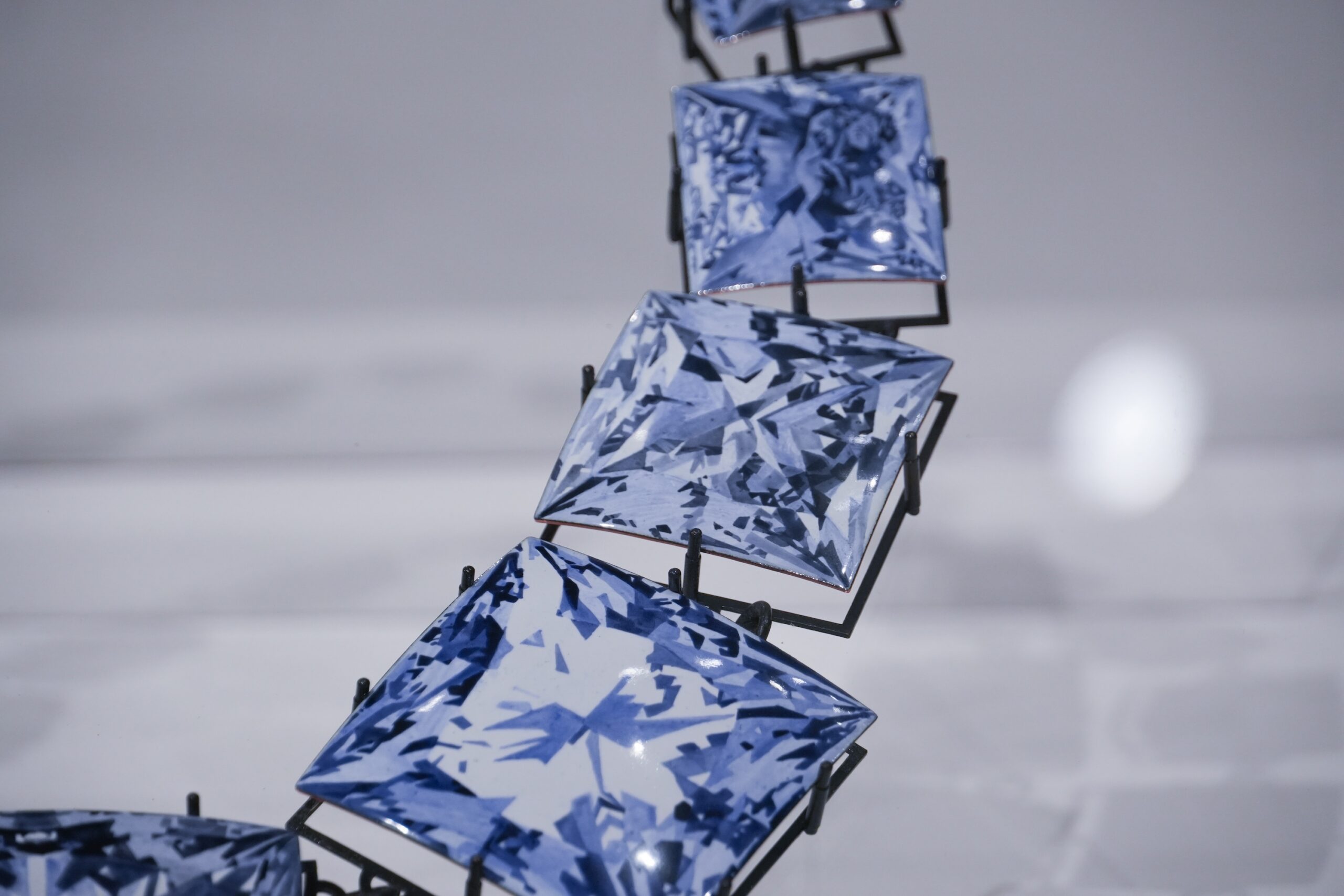
AB: I have been quite obsessed with niello recently. Niello is a traditional metal alloy, typically made from silver, copper, lead, and sulphur, which creates a rich black or bluish-black surface when applied to metal. I am drawn to both its visual depth and its distinctive texture. I only experimented with it briefly during my time in high school, but over the past few years, I have felt increasingly compelled to return to it and properly learn the process. I am currently planning a trip to visit Gigi Mariani, one of my favourite artists working with niello, and to see his workshop. As for how it will enter my work, I think I need to spend time with the material first. I like to understand a process through making before deciding how it should be used conceptually or formally within my practice.

Permission to Feel

NYCJW: When someone encounters your work, how do you hope it affects them?

AB: I hope people feel invited to share with me what they feel, just as I am sharing something of myself through the work. That exchange has happened a few times during exhibitions, when visitors have come to speak with me and share something deeply personal after hearing the story behind a piece. Those moments affect me profoundly, and at times have moved me to tears. That is, in many ways, the purpose of my conceptual practice. I make work that asks me to be vulnerable, in the hope of opening conversations around subjects people often find difficult to discuss. When someone recognises themselves in a piece and feels able to respond honestly, the work has done what it was meant to do. More than anything, I hope it gives people permission to feel openly, to be sad, joyful, uncertain, reflective, to feel heard, and to feel understood.

On Familiarity and the Brooch

NYCJW: Is there a question about your work that you wish people would ask more often?

AB: I am not entirely sure what question I wish people would ask more often, but I do know the one I could happily hear less: “What are those?” usually while pointing at my brooches. Since brooches fell out of everyday fashion for a time, many people are simply unfamiliar with them as a form of jewelry. They are less commonly seen now than they once were, aside from badges or pins, so for some people the idea of a brooch feels almost unfamiliar. That said, I do think they are beginning to return, and it is exciting to see growing interest in them again. Brooches have so much potential: they can be sculptural, expressive, personal, and worn in countless ways. I look forward to the day when they feel familiar again and no longer need explaining.

The Poetics of the Hidden

NYCJW: More broadly, are there recurring themes or emotions that continue to surface in your practice? Why do you think they return?

AB: The idea of “hidden” is definitely the most recurring theme in my work, both in my conceptual and wearable pieces. I am drawn to constructing pieces where elements are soldered, inserted, set, or fixed in ways that are not immediately obvious. Some parts only reveal themselves when the work is held, moved, or looked at closely; in certain cases, they are not visible at all; sometimes they are only for me to know they exist. I think this keeps appearing because I am interested in the tension between visibility and intimacy, and in the idea that not everything in an object needs to be immediately understood or seen to have meaning.


About One for the Future (OFTF)
One for the Future celebrates the next generation of jewelry and creative industry professionals. Each year, the program recognizes honorees for their innovation, craftsmanship, and/or unique perspectives. It also provides them with opportunities for mentorship, exposure, and connections with collectors and industry leaders worldwide.

Enjoyed this piece? Explore more jewelry content from Future Heirloom!
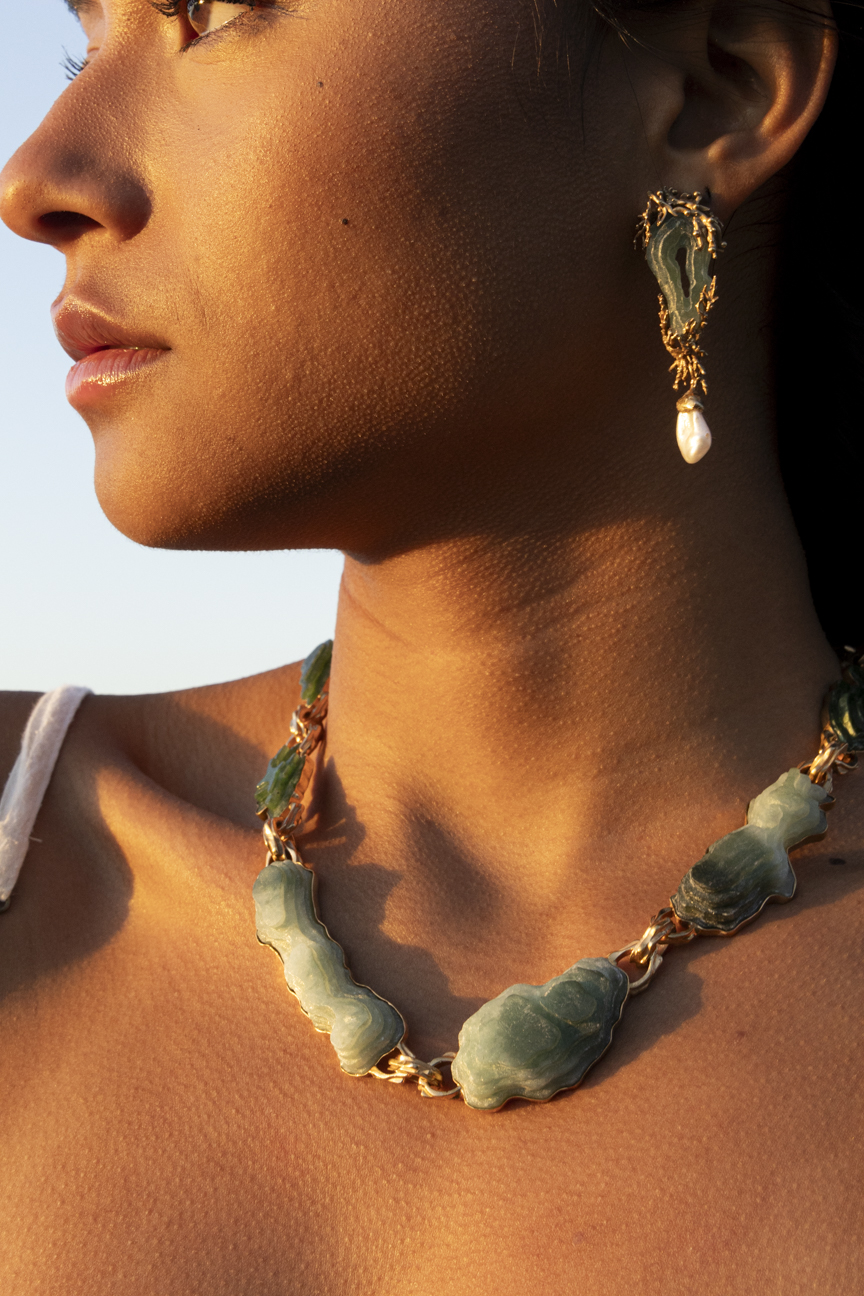
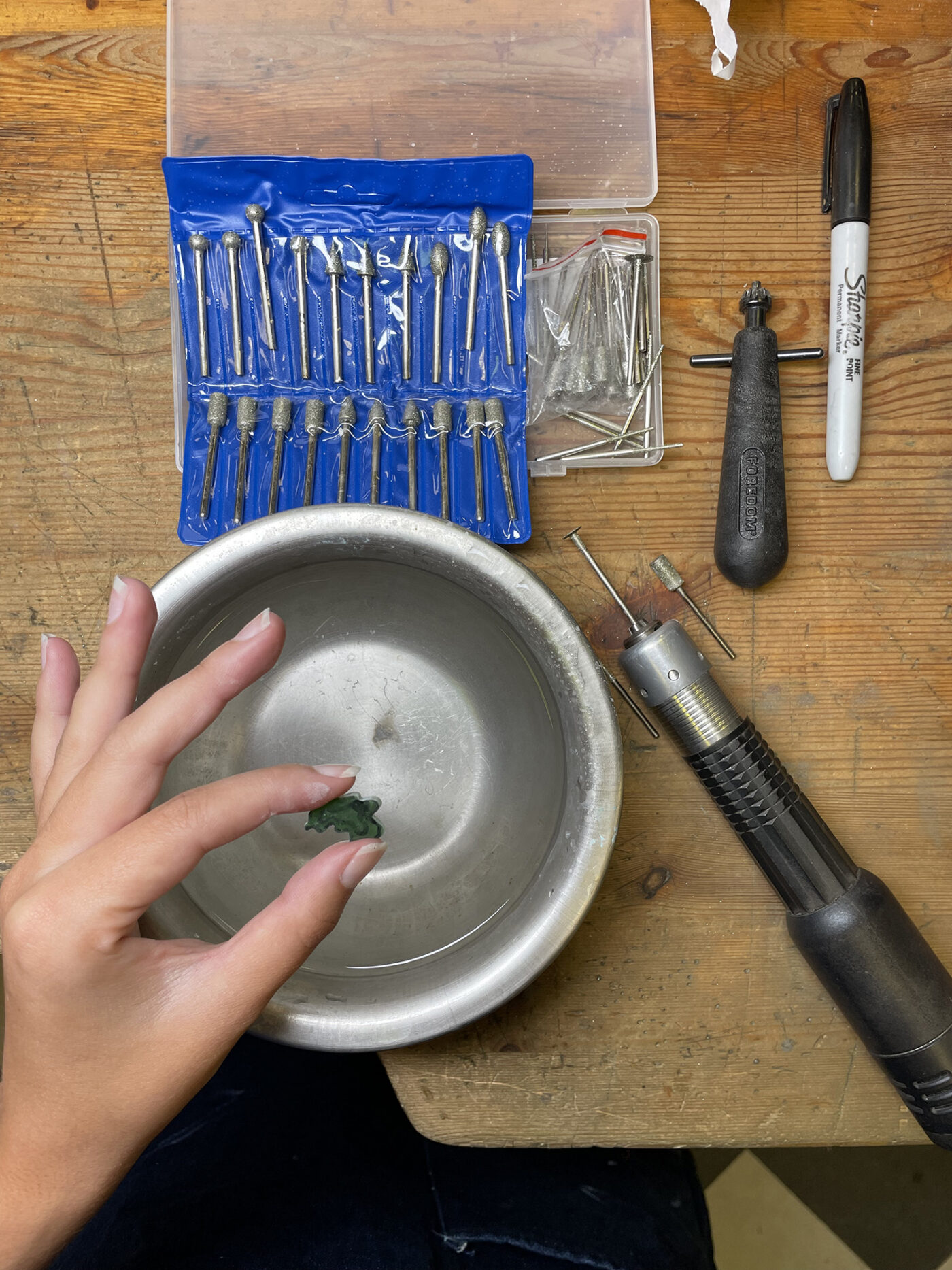
Where Jewelry Remembers: In Conversation with Youzhi Bi

As a 2026-2027 One for the Future honoree, Youzhi Bi is a jewellery artist and curator whose practice sits at the intersection of material experimentation, process-led making, and emotional inquiry. She holds an MA in Jewellery Design and Gold & Silversmithing from the Royal Academy of Fine Arts Antwerp (magna cum laude), and a BA in Jewellery Design and Silversmithing from Sheffield Hallam University (First-Class Honours). Her work explores how jewellery evolves through drawing, transformation, and wear, considering not only how objects are made, but how they continue to change over time and through use. Alongside her practice, she is the founder of B-Design Hub, an independent exhibition space in Shenzhen dedicated to contemporary jewellery and object-based practices.

We sat down with Youzhi Bi to discuss her evolving relationship with making, authorship, and the quiet uncertainty that runs through her work.

How does the story of your jewellery unfold when you think about it in its simplest, most essential form?

I see jewellery not as a fixed object, but as something that evolves with time and wear.

For instance, a scratch on a [piece of] jewellery is not damage – it’s a record.

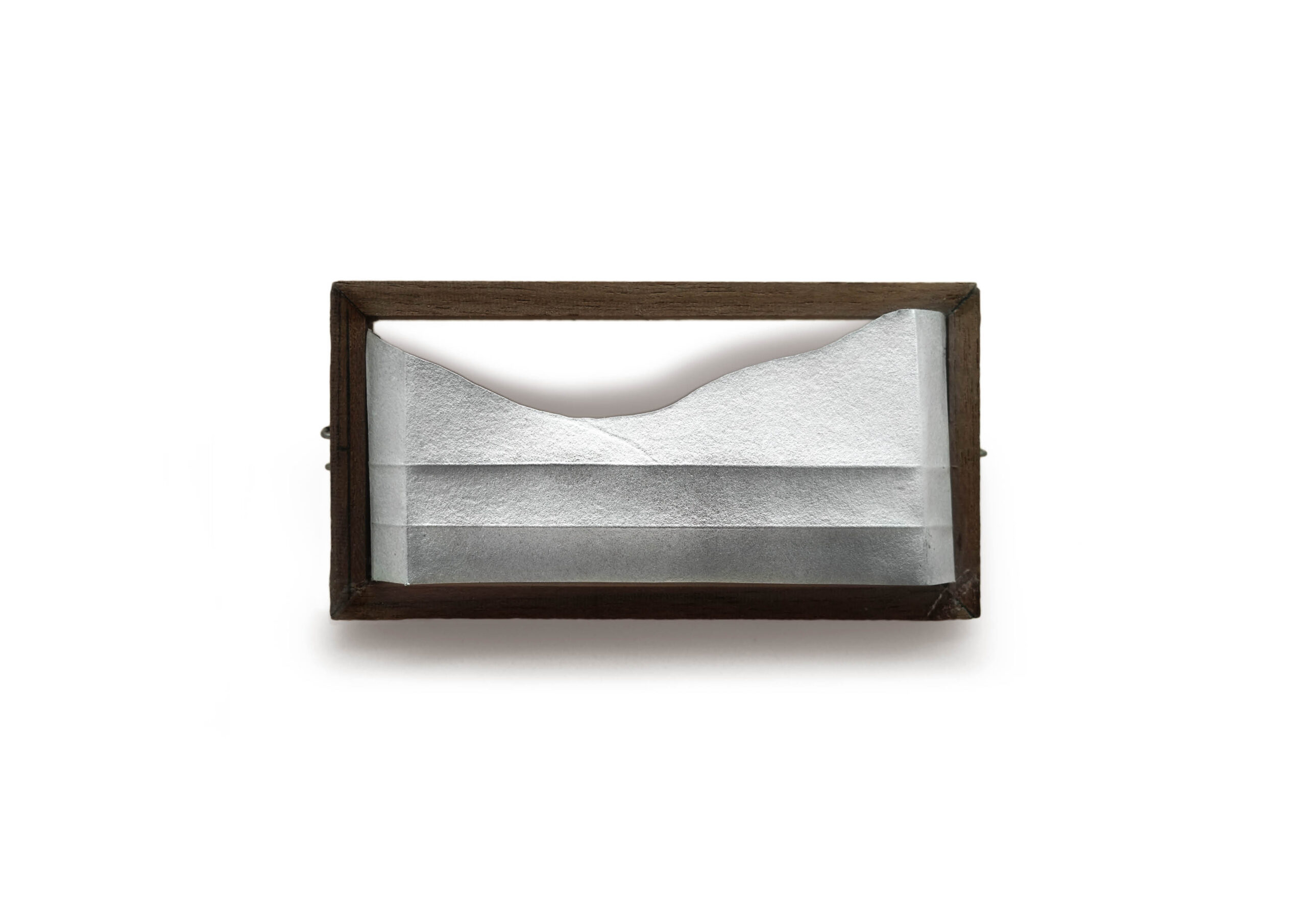
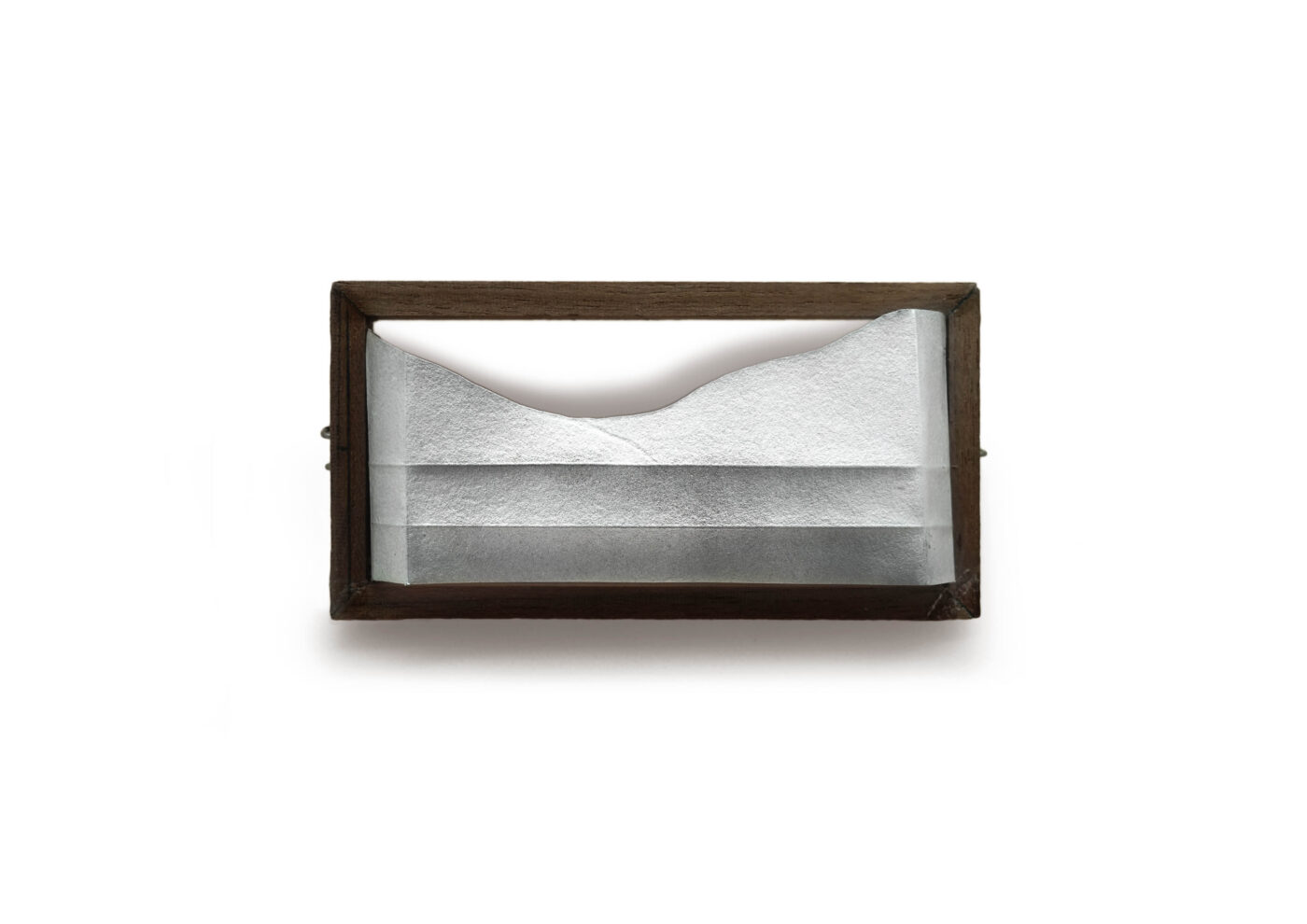
The wooden frame is actually a prototype I made—it’s also the piece people ask about most often.

Building from that sense of evolution in your work, how do you think about pieces that feel unresolved or “not ready”?

Almost all of my work feels “not ready” when I revisit it. I can always see ways it could be more precise or resolved differently.

I tend to be quite perfectionistic and hesitant—but I’ve come to accept that nothing is ever truly finished. I used to shelve almost everything, brewing on a sense of completion. Now, I try to share the work even in its unfinished state—because “not ready” is often where the life is.

If we move from finished work to process and thinking, how would your practice translate into a completely different medium?

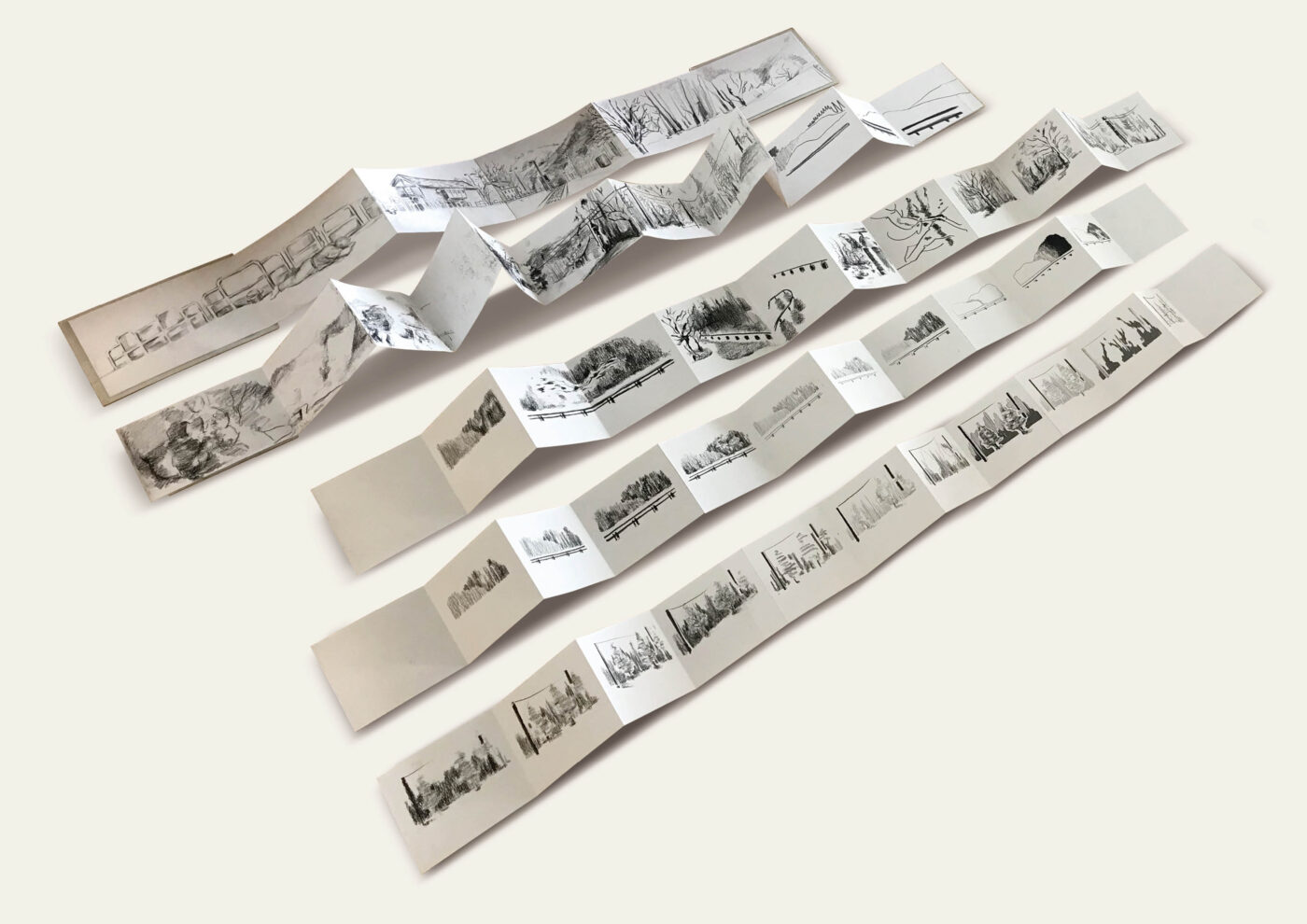
It would be a drawing—not a finished one, but a sketch. I’m drawn to structure, yet I try to resist overly defined forms. I’m more interested in what emerges organically—through interaction or small accidents in the process.

A sketch holds that quality; it carries the traces of thinking, hesitation, erasure, and uncertainty.

Staying with ideas and assumptions in your field, is there a convention in jewellery design that you find yourself questioning or responding to differently?

I have a somewhat contradictory relationship with this.

In jewellery design, there’s a common assumption that adding gemstones—especially diamonds—automatically creates value. I’ve never fully agreed with that. During an internship at a fine jewellery brand, I often heard “just add diamonds,” as if that alone could resolve a design. To me, that can feel like a way of masking uncertainty rather than developing the idea itself.

At the same time, when I chose my own wedding ring, I did the opposite. I chose a very classic diamond ring with almost no design to it.

The distinction, for me, is that a wedding ring already functions as a symbol. And symbols are remarkably stable—they don’t need to say much, and they don’t really change over time. I was concerned that if the ring had too much design, my perception of it might shift—I might grow visually tired of it, or begin to question it. A symbol, by contrast, feels more neutral, almost fixed.

So I’m not against gemstones. What I question is how they’re often used in design—as a shortcut to value, or to compensate for an unresolved idea. For me, value should come from how an idea is developed, not from materials that are already culturally agreed to be valuable.

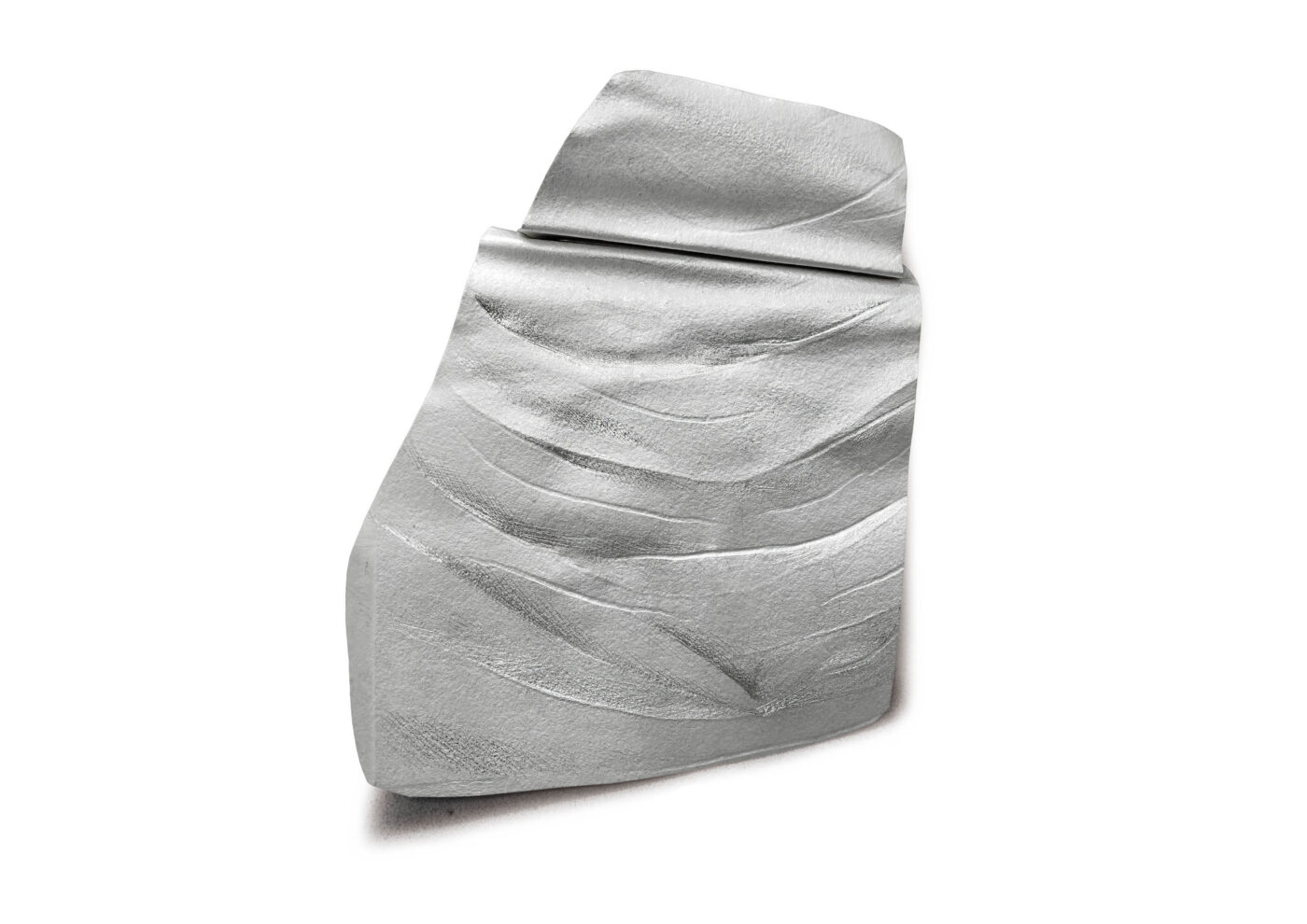
A silver sheet that was accidentally crumpled; I later reinforced the folds by drawing shadows, allowing the material to guide the direction of the piece.

When you are in moments of uncertainty in the making process, how does creative doubt show up in your work?

I often find myself questioning whether I’m intervening too much—whether the concept becomes over-articulated, or the making overly controlled.

In those moments, I try to step back. I shift my focus from directing the outcome to allowing the materials to interact and unfold more freely.

I’ve realized that when everything is fully intentional and authored, the work can start to feel closed. What I’m more interested in is leaving space—for something unexpected to emerge, for the material to speak in ways I couldn’t have planned.

Expanding outward, if you were to create a work for a fictional or historical figure, who would you choose?

I would create something for Ditto from Pokémon.

I’m interested in how Ditto doesn’t transform independently, but in response to what it encounters—its identity is always shaped by the external, by what it sees, touches, or tries to become. The piece wouldn’t transform perfectly. It might lag, or distort, or hold onto traces of what it was before—so different states exist at the same time. In that sense, the work wouldn’t represent Ditto, but operate like it—where identity is not fixed, but continuously negotiated through interaction.

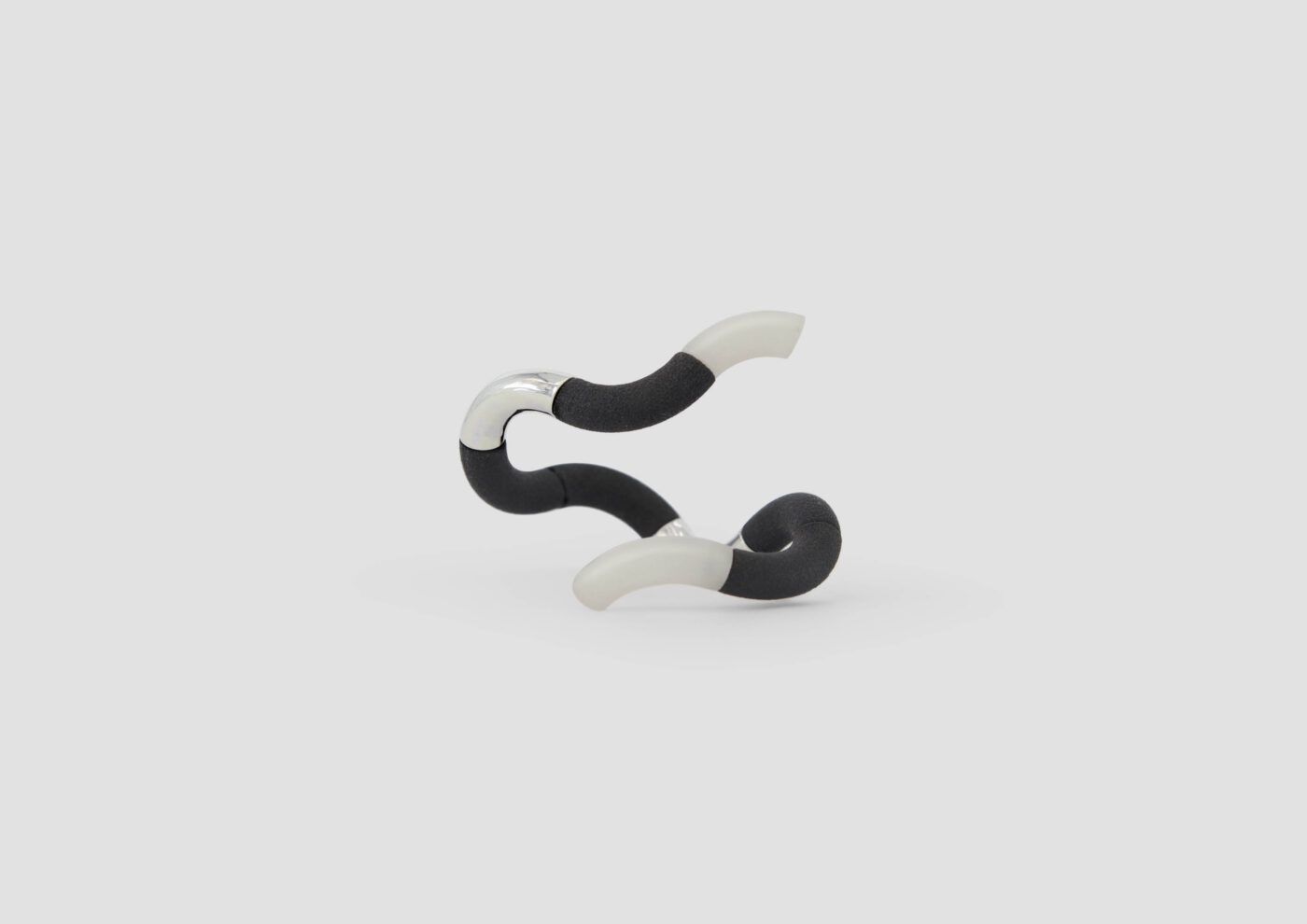
A tangle-shaped bangle made from broken jade bangle fragments; its form shifts with wear and the wearer.

Thinking about materials and process, what non-traditional source of inspiration or material engagement draws you?

I’ve been thinking a lot about what happens when I’m not fully in control of how a piece ends up.

It’s made me more interested in the idea of shared authorship—not in a theoretical way, but in a very practical sense, through use.

I’m drawn to materials or structures that can change over time—through wear, or interaction—so the final form isn’t fixed from the start. I’d like my work to stay a bit open, so the wearer and time itself can become part of the process.

When someone encounters your work, what kind of emotional or reflective experience do you hope it creates for them?

I love works that make me pause and think, “Ah, so that’s what it is.”

I hope my work can create a similar kind of quiet moment—something subtle, but clear enough to stay with you.

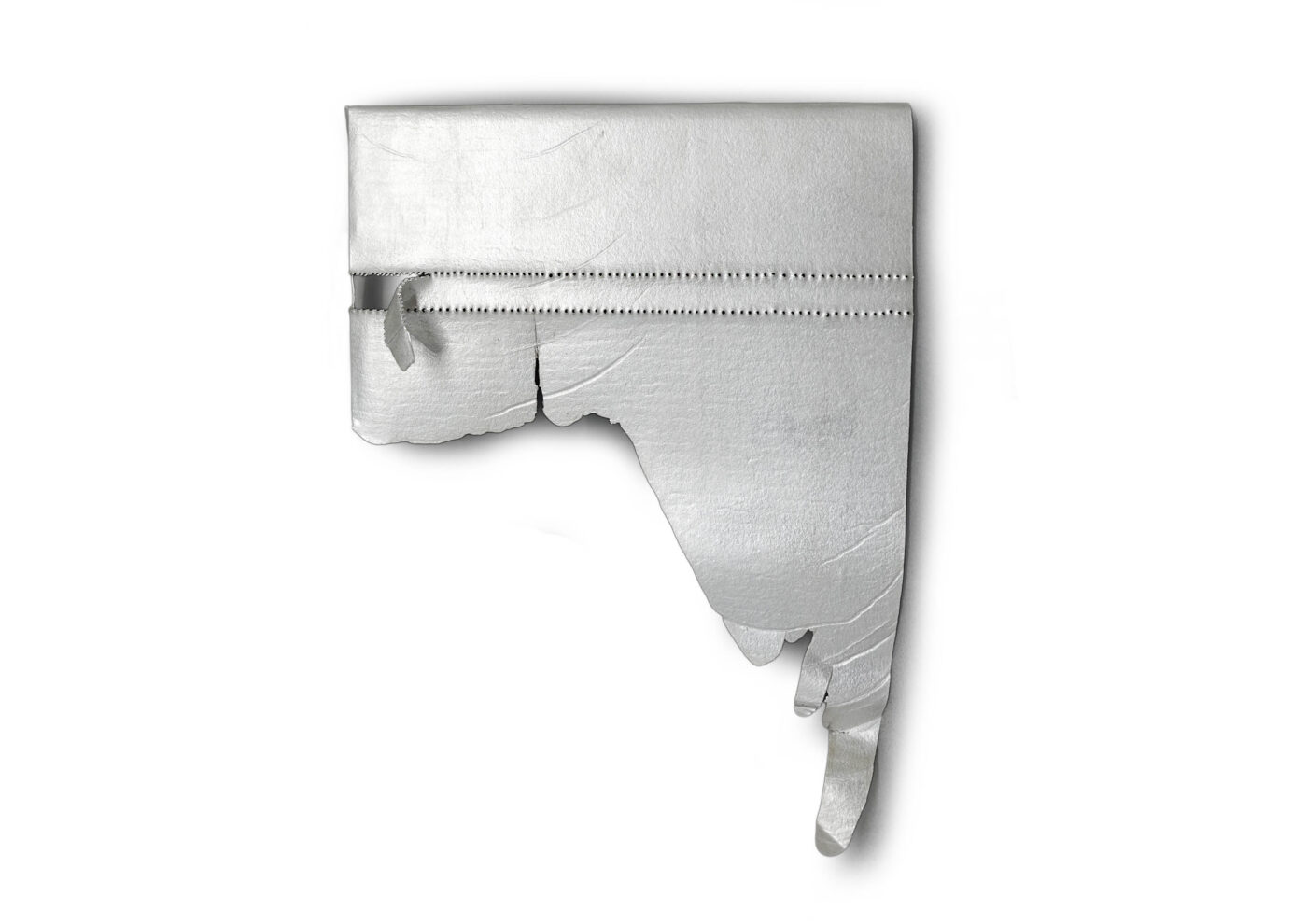
During rolling, variations in the silver’s thickness created irregular edges; what might have been discarded became a defining detail.

Looking back at your process, is there a question you wish people would ask more often about your work?

I wish people would ask: “Which part of this piece did you almost abandon?”

There’s almost always a moment where the work feels awkward or unresolved, and I want to give up on it.

But over time, I’ve noticed that those parts often end up being the most interesting—the slightly off-line, or the imperfect edge.

If someone asked me, I’d probably point to that place and say: “That part almost didn’t make it—but it stayed.”

Finally, across different projects and time, what recurring theme or subtle thread continues to appear in your practice?

I’m someone who easily doubts myself. I might finish a drawing and love it, and then question it the next. But I’ve noticed that simpler gestures—like a line that isn’t trying too hard—can still feel right years later.

So in jewellery, I’m always balancing between expression and restraint. I want my thoughts to be present, but not too strongly.

And yet, no matter how much I try to hide, something personal still comes through. It keeps appearing because I can’t fully conceal it—the most I can do is shape how it shows.


About One for the Future (OFTF)
One for the Future celebrates the next generation of jewelry and creative industry professionals. Each year, the program recognizes honorees for their innovation, craftsmanship, and/or unique perspectives. It also provides them with opportunities for mentorship, exposure, and connections with collectors and industry leaders worldwide.

Enjoyed this piece? Explore more jewelry content from Future Heirloom!
Wearable Archives: Memory and the Politics of Storytelling

Working between Hong Kong and the United States, Ho Oi Ying Valerie approaches jewelry not simply as adornment, but as a living, breathing archive. Her wearable forms hold stories of migration, resilience, and political memory in intimate ways. She trained as both a jeweler and educator and earned an MFA in Jewelry and Metalsmithing from the Rhode Island School of Design. The social and political conditions of Hong Kong, particularly after the 2019 protests, deeply shape her practice. A 2026–2027 One for the Future Honoree, she continues to gain recognition for work which bridges personal narrative and collective history.

Jewelry as Story and Social Archive

NYCJW: Let’s begin! How would you describe your practice right now? What is at the core of your work, and how does it take shape through jewelry?

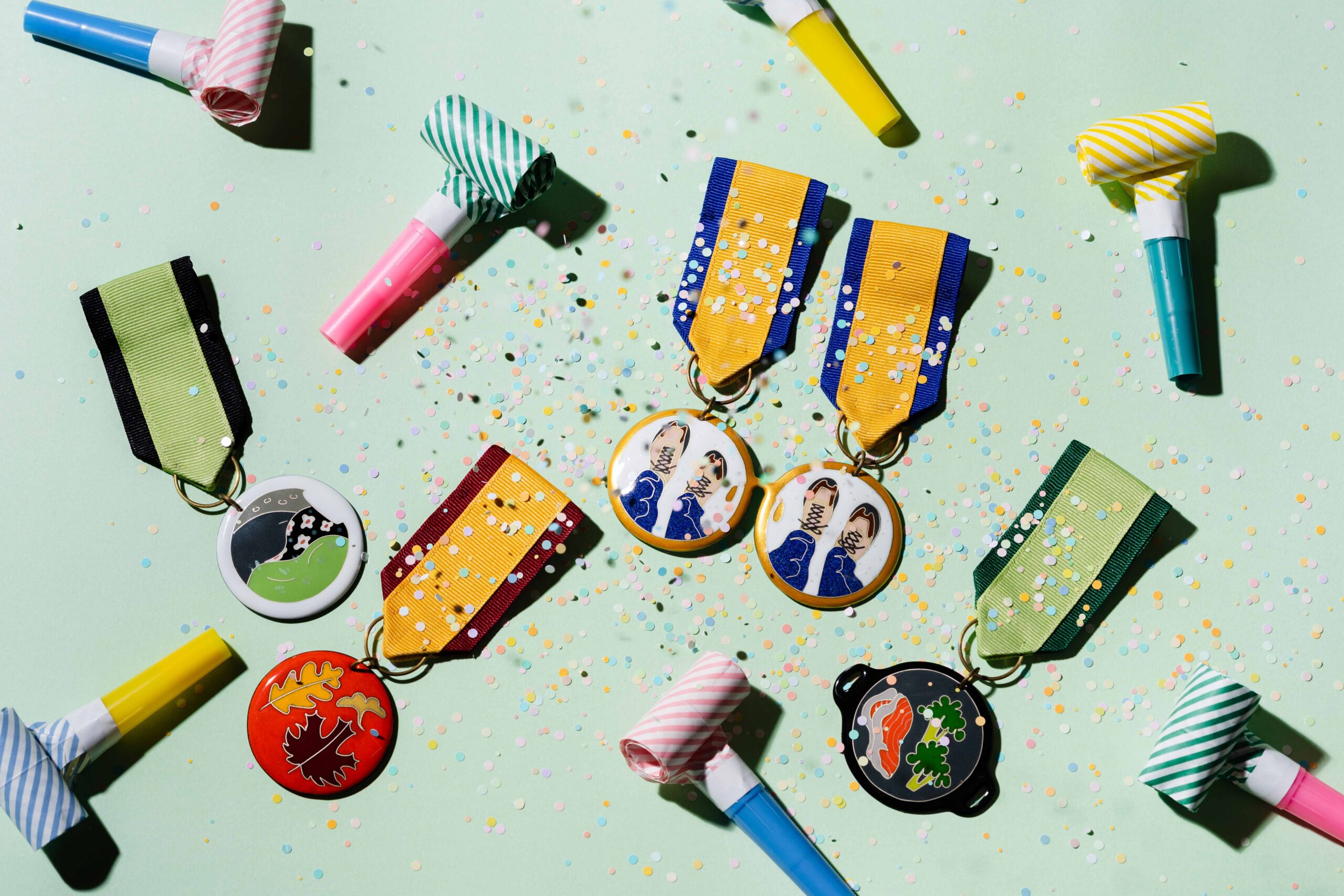
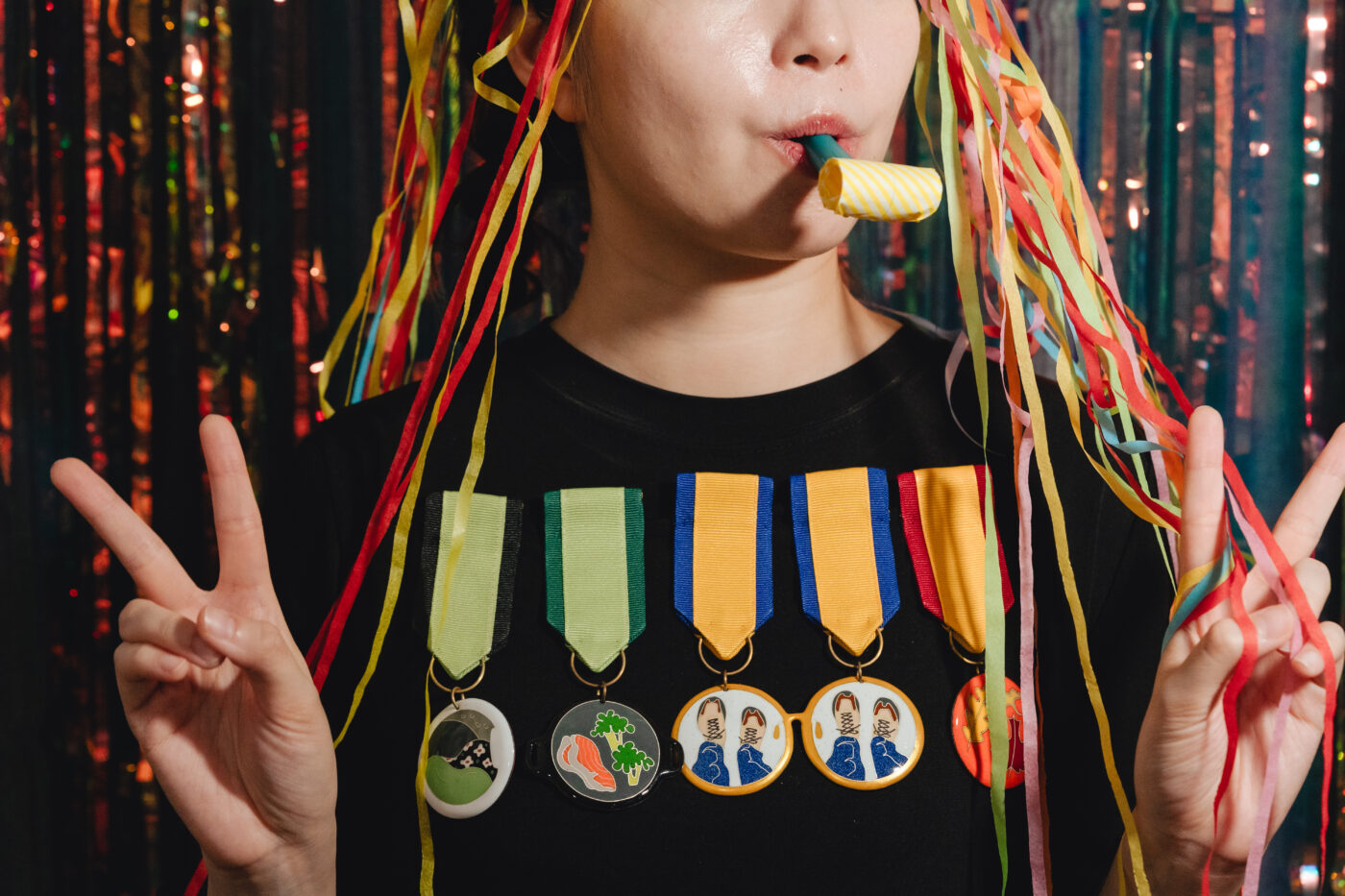
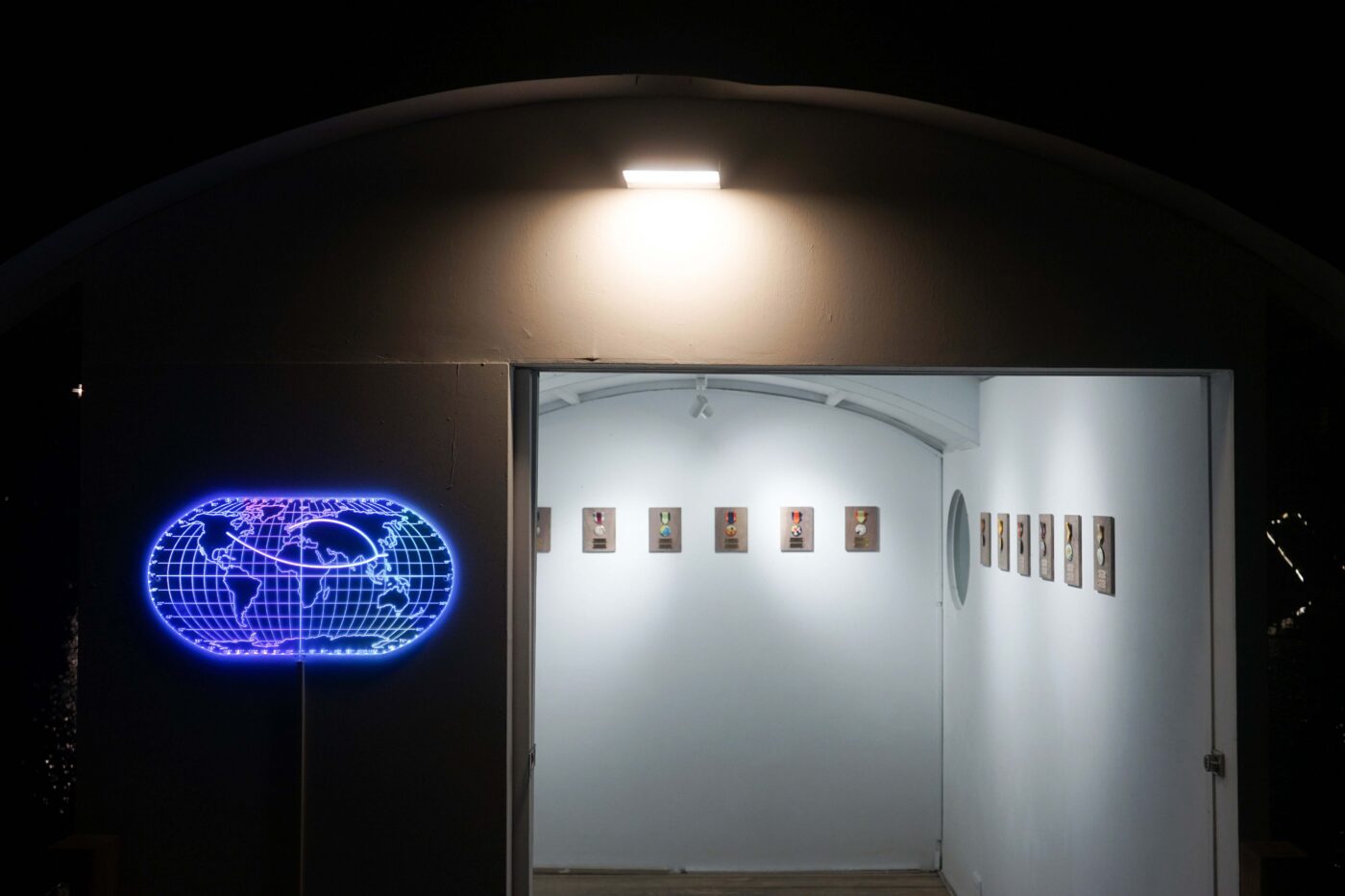
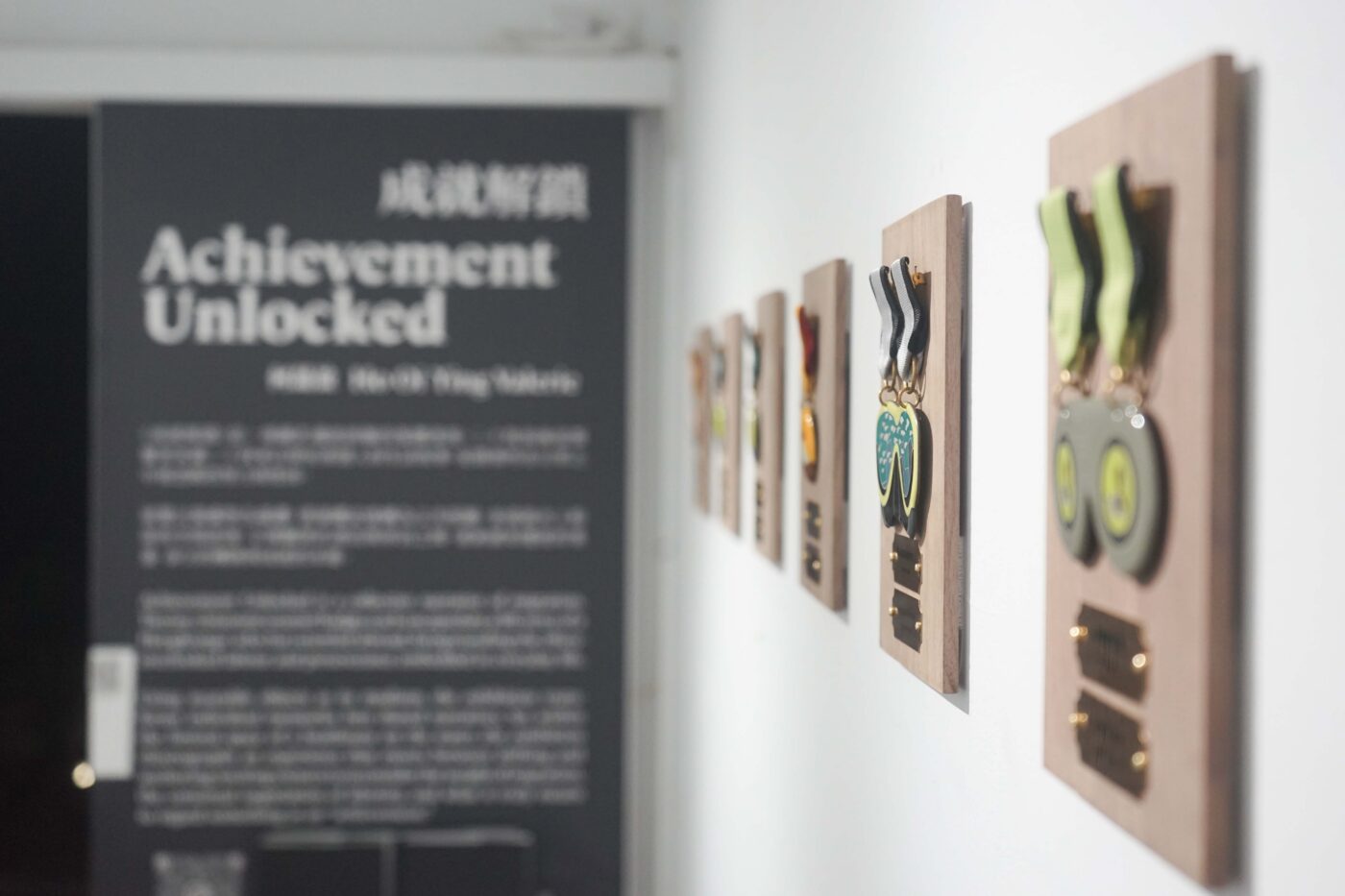
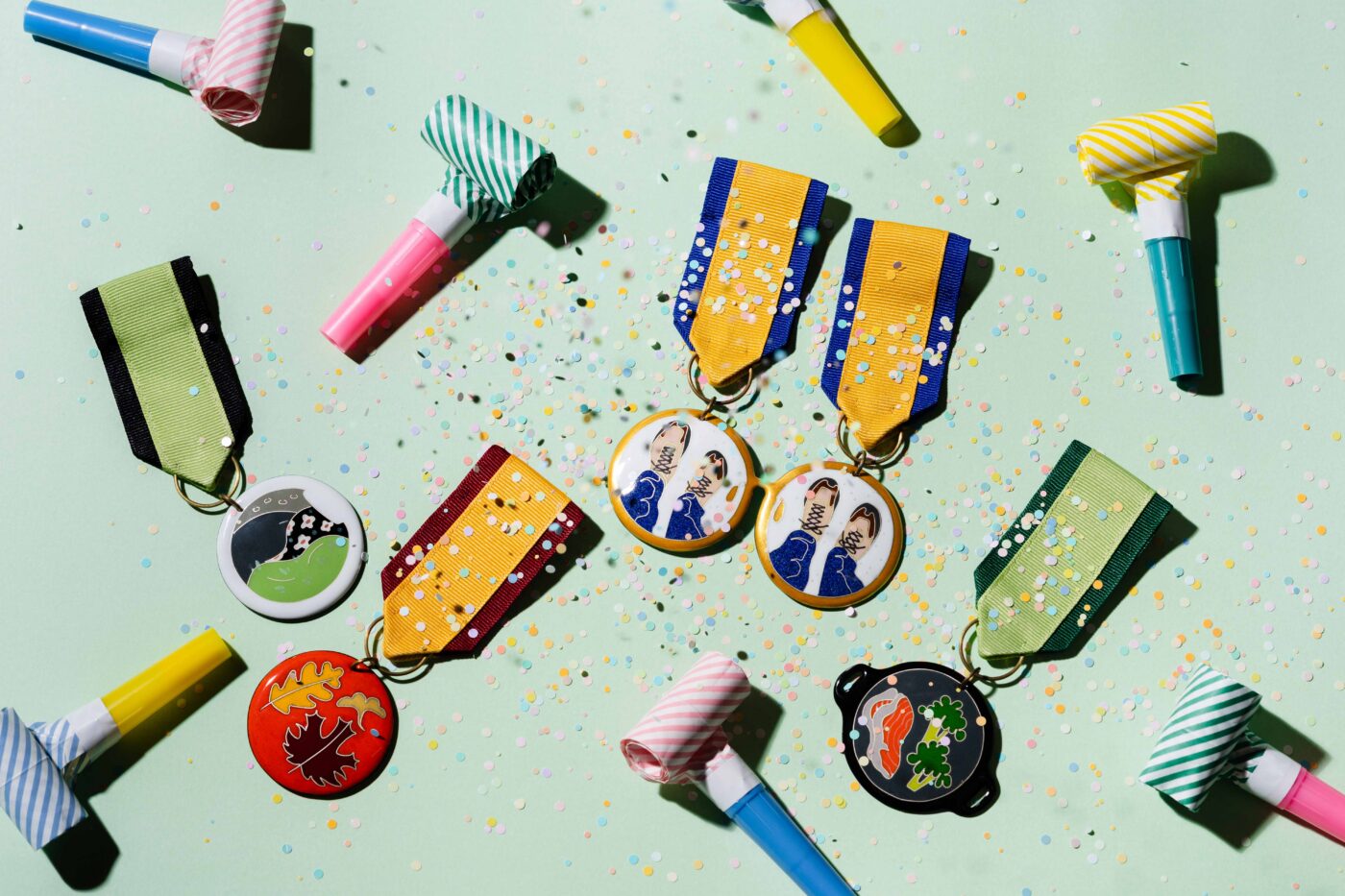
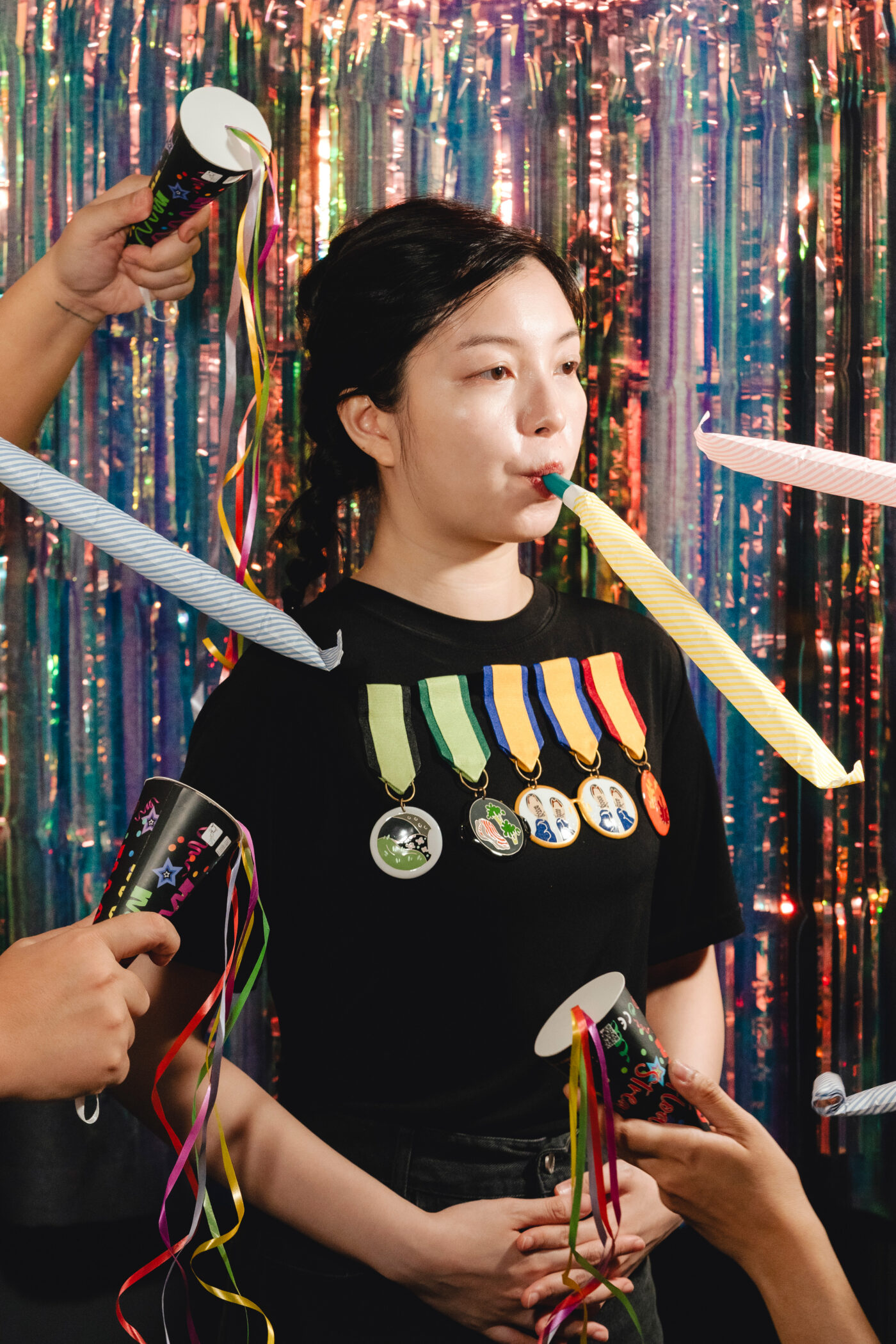
HOYV: My practice examines jewelry as a mode of storytelling and social archive, translating personal and collective histories into wearable forms. Through projects such as Everyday Triumphs and Achievement Unlocked, I employ cloisonné badges to articulate narratives of migration, identity, and resilience, reframing “achievement” through intimate, everyday experiences. Positioned at the intersection of craft and research, my work treats making as a method of documentation, where material and process become vehicles for preserving lived experience.

Expanding the Archive: Toward Scale, Collaboration, and New Media

NYCJW: Your projects already function as intimate archives of lived experience. Have you imagined expanding this work further?

HOYV: One direction I have considered but not yet fully realized is the expansion of my cloisonné badge projects into a sustained, large-scale archive. In my current practice, I undertake multiple roles, including conducting interviews, translating narratives, fabricating the work, and overseeing promotion, exhibition, and publication, largely as a single-person operation. Through this process, I have come to recognize both the project’s potential and its limitations in scale.

I envision this work developing into a more expansive platform capable of holding a broader range of stories and participants. I feel prepared to move toward this larger-scale direction, while also recognizing the need to evolve my working model by establishing a more collaborative structure and engaging support across research, production, and organizational capacities.

At this stage, I understand my current work as both a foundation and a point of transition, positioning the project to grow into a more collective and sustainable framework.

From Wearable Archive to Moving Image

NYCJW: As you think about scaling that archival approach, are there other media that feel complementary to what jewelry can hold?

HOVY: If my work were to exist in a different medium, it would likely take the form of film or moving image. Much of my practice is rooted in oral history, with listening, translating, and interpreting personal narratives, and film offers a way to hold voice, gesture, and temporality in ways that static objects cannot fully capture.

While my cloisonné projects distill these stories into intimate, wearable forms, film would allow the narratives to unfold more expansively, preserving tone, rhythm, and presence. It would also create space for multiple voices to coexist, extending my interest in jewelry as an archive into a time-based and collective medium.

In this sense, I see film as a potential starting point for expanding the project further, particularly if the opportunity arises to explore these narratives through a time-based and collaborative format.

Reframing Jewelry Beyond Adornment

NYCJW: Your work pushes against traditional ideas of what jewelry is or should be. What assumptions or conventions within the field do you find yourself questioning most?

HOYV: One convention I often question is the tendency to position jewelry primarily as an object of adornment or luxury, rather than as a form of critical and narrative expression. While these associations remain deeply embedded within the field, my interest lies in how jewelry can function as a site for storytelling, documentation, and the preservation of lived experience.

In my practice, I engage with personal and collective histories, particularly those shaped by migration and everyday resilience, translating them into wearable forms. This approach challenges the notion that jewelry must prioritize aesthetic value or material preciousness in order to carry meaning.

Jewelry can serve as a powerful form of artistic expression, distinguished by its intimate relationship with the body. Worn rather than displayed, it enables individuals to embody and communicate what they value, functioning as a personal and mobile manifesto in public space.

I am also interested in expanding what is considered worthy of being recorded or remembered. Small, intimate, and often overlooked experiences can hold significant cultural and emotional weight, and I view jewelry as a powerful medium through which these narratives can be articulated, preserved, and shared.

On Responsibility, Interpretation, and Reworking History

NYCJW: When you’re working with personal and collective histories in this way, questions of interpretation and responsibility inevitably come up. Can you talk about a recent instance of doubt in your process? How did you work through it?

HOYV: A recent moment of creative doubt emerged while developing Achievement Unlocked in late 2025, particularly in the process of translating oral histories into cloisonné forms. I found myself questioning whether I was doing justice to the narratives I had collected, how much to interpret, what to simplify, and how to balance aesthetic decisions with the integrity of each story.

The doubt was less about making and more about responsibility. I was working with lived experiences shaped by migration and personal transition, and I became increasingly aware of the weight of representing others’ voices through my own lens.

I moved through this by returning to both the participants and the material. Revisiting interview notes, listening again to recordings, and allowing the cloisonné process, through wire placement, layering, and firing, to function as a form of careful translation helped me regain clarity. I also came to accept that interpretation is an inherent part of the work, and that my role is not to replicate a story, but to hold space for it through form.

That moment ultimately strengthened my approach, reinforcing the importance of attentiveness, ethical consideration, and trust in both the process and the relationships that shape the work.

Revisiting History Through Material Dialogue

NYCJW: That sense of responsibility also connects to history more broadly. If you could communicate directly with a historical figure through your work, who would it be?

HOYV: If I were to create a work for a historical figure, I would consider President Mao of China, informed by my research into political badges held in the archives of the British Museum. I was particularly struck by the presence of cloisonné badges produced in Hong Kong during that period, which revealed a complex relationship between craft, politics, and manufacturing history.

This discovery led me to question what it would mean to create such an object now, from my own contemporary position. Rather than functioning as a symbol of allegiance, the work would explore the shifting meanings embedded in these forms, how an object once used for mass political expression might be reinterpreted through a reflective and critical lens. It would also examine the emotional and historical tension of remaking such an object today.

In this way, the work becomes less about the figure itself and more about the act of revisiting history through material practice, considering what it means to reproduce, reinterpret, and carry these forms in the present.

Ephemera as Living Archive

NYCJW: Alongside these past references, you also draw inspiration from more ephemeral, everyday materials. What kinds of sources are currently shaping your thinking, and how are they entering your work?

HOYV: I have been increasingly drawn to printed ephemera, such as newsletters, pamphlets, personal letters, and other forms of low-cost, widely circulated materials, as a source of inspiration. These objects are often produced for immediate use rather than long-term preservation, yet they carry significant cultural, social, and political histories.

What interests me is their dual nature: they are both fragile and durable, easily overlooked yet deeply informative. Many of these materials exist at the margins of official archives, holding voices and narratives that are not always formally recognized.

I see this influence entering my work through both content and form. Conceptually, they inform my approach to storytelling and archival practice, particularly in how narratives are collected, translated, and shared. Materially, I am interested in how their visual language, like layout, repetition, and modes of circulation, might be reinterpreted through cloisonné and wearable formats.

By engaging with these sources, I aim to further position jewelry not only as an object of adornment but as a medium capable of carrying and preserving distributed, everyday histories.

Recognition and Intimate Listening

NYCJW: You are focusing on everyday experiences and overlooked narratives. How do you hope people feel when they encounter or wear your work?

HOYV: I hope that when someone engages with my work, they experience a sense of recognition, of seeing their own lives, or fragments of it, reflected back to them. Much of my practice centers on everyday experiences that are often overlooked, and I want to create space for these moments to be acknowledged as meaningful and worthy of attention.

I also hope the work offers a sense of closeness and quiet intimacy. Because jewelry exists on the body, it invites a different kind of relationship, one that is personal, reflective, and sustained over time.

More importantly, I hope it gives permission: permission to value small achievements, to hold onto personal histories, and to recognize one’s own experiences. No matter how ordinary they may seem, they carry significance. In this way, the work becomes not only something to look at, but something to live with and through.

Whose Story Is This?

NYCJW: What do you wish audiences would ask more often about your process or the stories embedded in each piece?

HOYV: One question I wish more people would ask is: Whose story is this, and how was it translated into form?

Much of my work begins with conversations, interviews, and the process of listening. The final object is only one layer of a larger process that involves interpreting lived experiences, navigating what to reveal or withhold, and considering how a story can be carried through material and form.

By asking this question, it shifts the focus from the object alone to the relationships, decisions, and responsibilities embedded in the work. It opens up a deeper understanding of jewelry not just as something to look at or wear, but as a medium that holds and mediates between different voices, experiences, and histories.

Quiet Resilience and Migration Narratives

NYCJW: Finally, can you share what ideas keep resurfacing across your practice? Why do those ideas remain central to your work?

HOYV: A recurring theme in my work is the quiet resilience embedded in everyday life, particularly within experiences shaped by migration, adaptation, and personal transition. I am consistently drawn to small, often overlooked moments that reflect how individuals navigate change and reconstruct a sense of belonging in new environments.

This theme continues to surface because I see myself as part of this broader community, individuals from Hong Kong who have relocated to other places in response to recent political shifts. These shared experiences of displacement and adjustment have deeply informed both my perspective and my approach to storytelling.

I am also interested in understanding migration not only as the movement of people, but as a relational process, one that involves how individuals are received, understood, and integrated within new communities. This perspective informs how I approach narrative, paying attention to both personal experiences and the broader social contexts in which they unfold.

Through my work, I return to these narratives as a way of acknowledging and preserving them. The repetition is intentional; it allows me to continually refine how these lived experiences are translated into material form, while creating space for these subtle yet significant aspects of life to be recognized and valued.


About One for the Future (OFTF)
One for the Future celebrates the next generation of jewelry and creative industry professionals. Each year, the program recognizes honorees for their innovation, craftsmanship, and/or unique perspectives. It also provides them with opportunities for mentorship, exposure, and connections with collectors and industry leaders worldwide.

Enjoyed this piece? Explore more jewelry content from Future Heirloom!
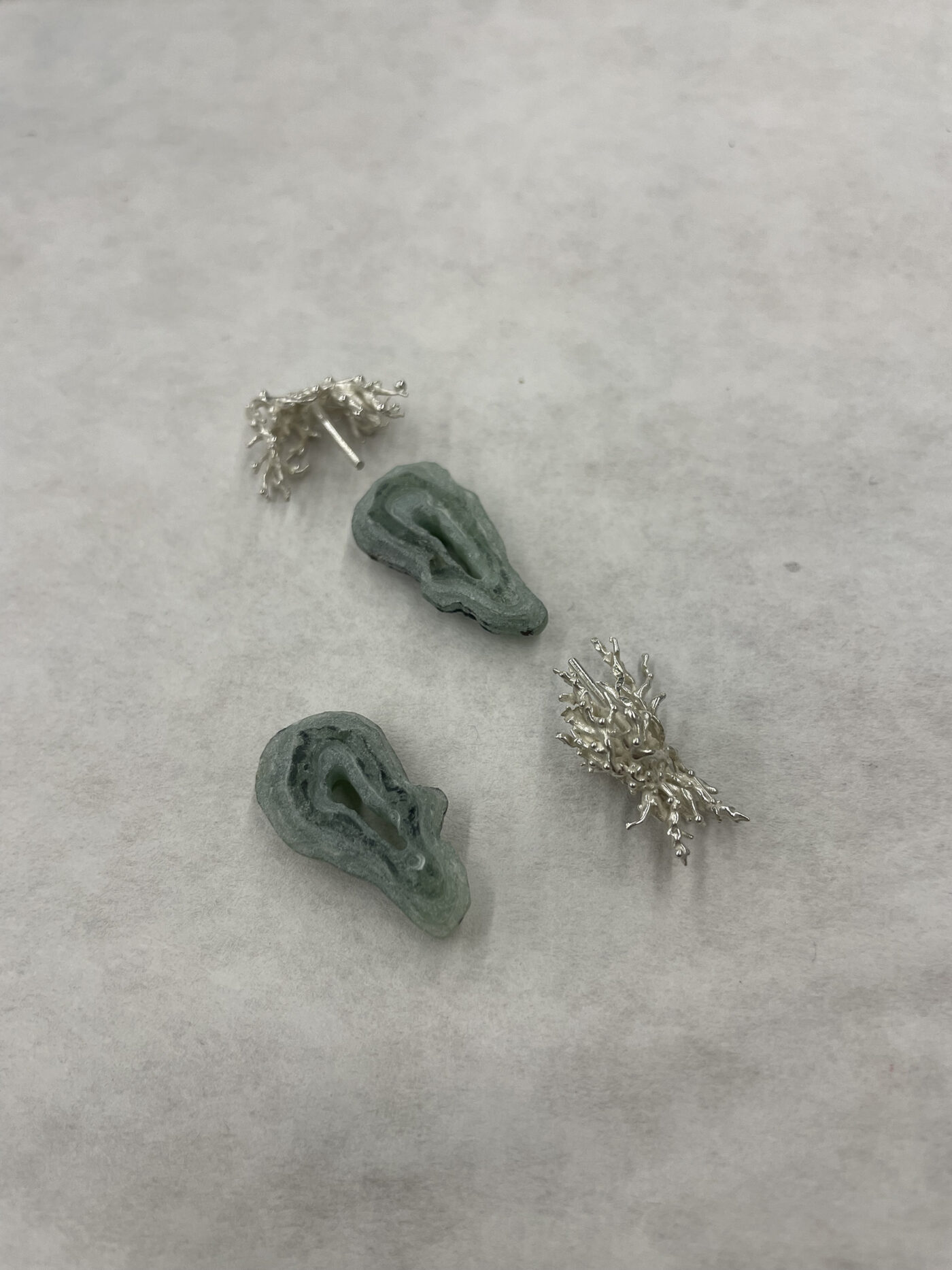
Material as Memory: A Conversation with Yuxin Song

Based in Calgary, Canadian-Chinese artist Yuxin Song is a 2026–2027 One for the Future Honoree whose work sits at the intersection of material history and personal narrative. Trained in both China and Canada, she brings together technical meticulousness and introspective inquiry, particularly through her specialization in enamel. Her practice moves fluidly amid tradition and experimentation, inviting viewers into spaces which feel both tactile and quietly emotional.

We spoke with Song about meaning, doubt, overlooked moments, and why her work might one day belong to SpongeBob.

Material Meanings and Contemporary Reinterpretation

NYCJW: To start us off, how would you describe the core of your practice? What draws you to the materials and ideas you work with?

YS: In my artistic practice, I explore how materials carry meaning and how these meanings can be reinterpreted in a contemporary way. I investigate how the physical properties, historical context, and technical processes of materials communicate ideas, which I then connect with my personal reflections and narratives.

NYCJW: You talk about meaning being layered and evolving. Are there ideas you’ve wanted to explore but haven’t quite found the right form for yet?

YS: I have long been interested in creating a series that highlights the small, often overlooked details of daily life, moments we notice but rarely take the time to truly explore. I haven’t fully developed this concept yet, as I am still figuring out the right materials and forms to bring it to life. For now, I am focusing on other directions in my work, but I hope to return to this idea in the future.

Expanding Scale and Shared Authorship in Experience

NYCJW: That attention to presence and detail feels closely tied to experience. If your work could expand beyond the scale of jewelry, how might it change?

YS: If my work could exist in a different medium, I believe it would be a large-scale installation. The size allows the work to occupy space in a way that small pieces cannot, giving it a strong presence. The audience can interact with the work, move around it, and become part of the experience.

NYCJW: Thinking about how viewers move through and interpret your work, how do you feel about authorship? Who ultimately holds the meaning?

YS: I disagree with the assumption that the artist holds authority over the meaning of their work. I view the creation of jewelry as a narrative process similar to writing. The artist uses material, structure, and visual language as tools, much like narrative techniques, to express their intentions. While the overall appearance serves as the ‘hook’ that draws the attention of the audience, the specific choices in form and material establish the context, and the visual language functions as the style.

However, once a work is finished, its meaning is no longer solely the artist’s. Unlike text, visual art has the power to communicate emotions and experiences that go beyond words. This allows the object to exist in a space of shared meaning, shaped in part by the audience’s perception and interpretation.

Creation as a Way Forward

NYCJW: Has that openness to interpretation ever been challenged by moments of doubt in your own practice?

YS: The last moment of major creative doubt I experienced was around 2024, when I questioned myself, my ideas, and the value of my work. I felt stuck and unsure of my direction. However, once I began making again, the act of creation itself became healing. The process allowed me to move through the doubt, and I found that solutions emerged naturally as I engaged with the work, step by step. Even now, I still experience moments of doubt, but I continue to move forward with them.

Playful Imaginations and Unexpected Inspirations

NYCJW: It sounds like play and curiosity are important in moving forward. If you could fully lean into that, is there someone you’d love to create for?

YS: I think I would create a work for SpongeBob and his friend Patrick. I love SpongeBob’s personality, and I think he would be really happy to receive it. Since my nickname in China is “Boluo”, which means pineapple, it feels like we already have a small connection. The work would be a matching, interactive pair that they could wear and use together, something playful that could even help them catch jellyfish.

Transformation and Flexibility in Process

NYCJW: That sense of play also shows up in your materials—what are you experimenting with right now?

YS: I am currently working on several series that feature raw stone and flexible ties.

For the raw stone, I am interested in the relationship between raw stone, gemstones, and enamel, and how these materials reflect different states of transformation.

For the flexible ties, I draw inspiration from chainmail. I previously used this structure to create bag-like forms, and now I am pushing it further, strengthening the system to build flexible, fabric-like enamel forms that can move and adapt to different movements.

Reflection, Healing, and Evolving Meaning

NYCJW: With all these material explorations, what kind of experience do you hope people have when they encounter your work?

YS: I see the visual aspect of my work as an entry point. Some people might simply be drawn to how it looks, and I think that is completely valid. Others may spend more time with it and begin to sense where it is coming from.

For me, the work holds space for reflection and a quiet sense of healing, as much of it is rooted in personal experience. If it resonates with someone and allows them to connect with their own thoughts or feelings, that is meaningful to me.

At the same time, I do not see meaning as fixed. I do not have the final say in how the work is understood. Each person brings their own perspective, and I value how the meaning can shift and expand through different interpretations.

Curiosity Behind the Making

NYCJW: When people do engage more deeply, what’s something you wish they were more curious about?

YS: I wish more people would ask about my making process.

For me, the process is not just a technical step; it is where the work really begins to take shape. I often think of it as a conversation with the material. Different materials have their own personalities, and sometimes my ideas come from experimenting with them. Other times, the process itself becomes part of the final concept.

Threads of Acceptance

NYCJW: And finally, when you look across your body of work, what feels like the thread that keeps reappearing?

YS: A recurring theme in my work is learning to accept, grow, and love. In my 2022 ceramic installation, this was very obvious, as I focused on highlighting life’s imperfections. In my recent work, it has become more subtle, appearing through the materials I use.

I enjoy using objects to express my feelings, and I hope my work can bring a small sense of healing, even if it resonates with only a few people.

Yuxin Song’s practice resists fixed meaning, instead offering a quiet, material-driven dialogue between artist, object, and audience. Whether working with enamel, stone, or flexible structures, she treats making as both inquiry and conversation—one that continues long after the work leaves her hands.


About One for the Future (OFTF)
One for the Future celebrates the next generation of jewelry and creative industry professionals. Each year, honorees are recognized for their innovation, craftsmanship, and/or unique perspectives, gaining opportunities for mentorship, exposure, and connection with collectors and industry leaders worldwide.

Enjoyed this piece? Explore more jewelry content from Future Heirloom!